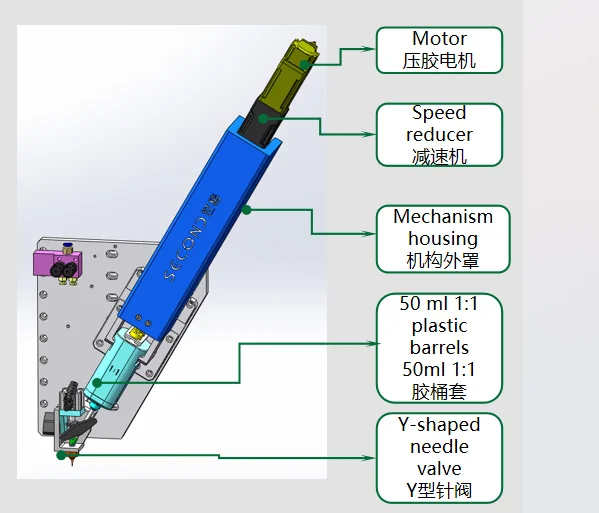
Common Problems and Solutions of Second Intelligent Automation Dispensing Machines in PCB Applications.
Ι.Project Background
As electronic products evolve towards higher integration, miniaturization, and higher reliability, the requirements for dispensing accuracy, repeatability, and process stability in the SMT (Surface Mount Technology) back-end processes of PCB manufacturing are constantly increasing.
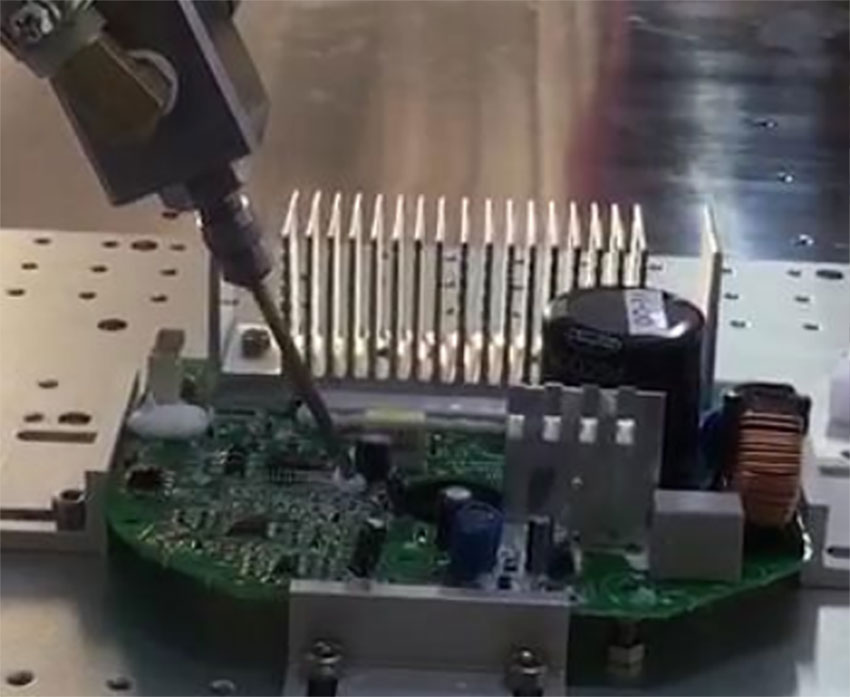
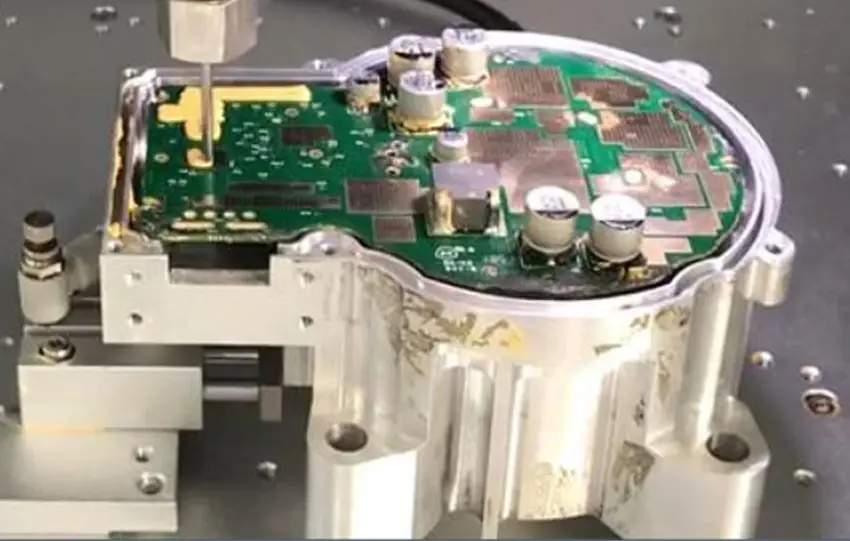
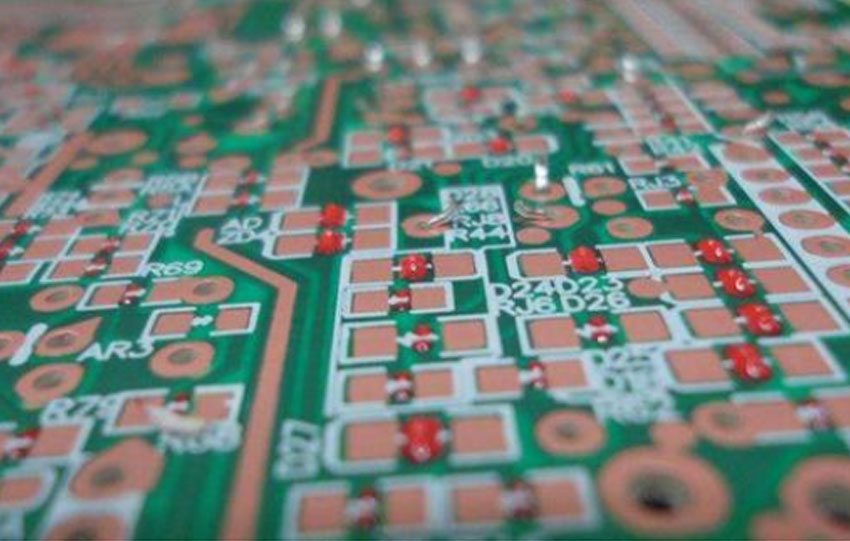
Especially in the mobile phone, consumer electronics, and precision module fields, the dispensing process not only affects the appearance quality but also directly relates to the structural reliability and long-term stability of the product.
In actual production, dispensing quality is easily affected by multiple factors, including equipment accuracy, fluid characteristics, environmental factors, and process parameters, leading to yield fluctuations and production instability.
This report, based on Second Intelligent Automation’s experience in applying equipment in the PCB industry, systematically analyzes typical problems and proposes standardized solutions.
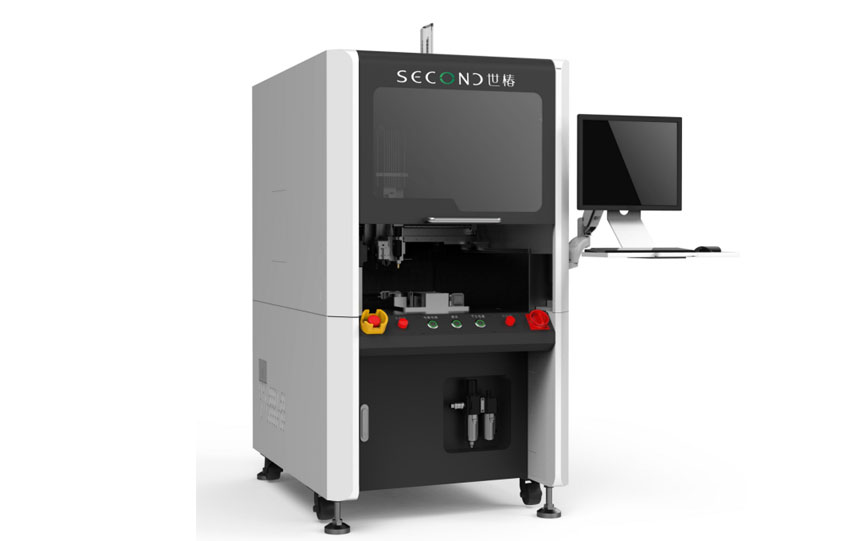
Ⅱ.Equipment and Process Description
2. Equipment Configuration (Typical)
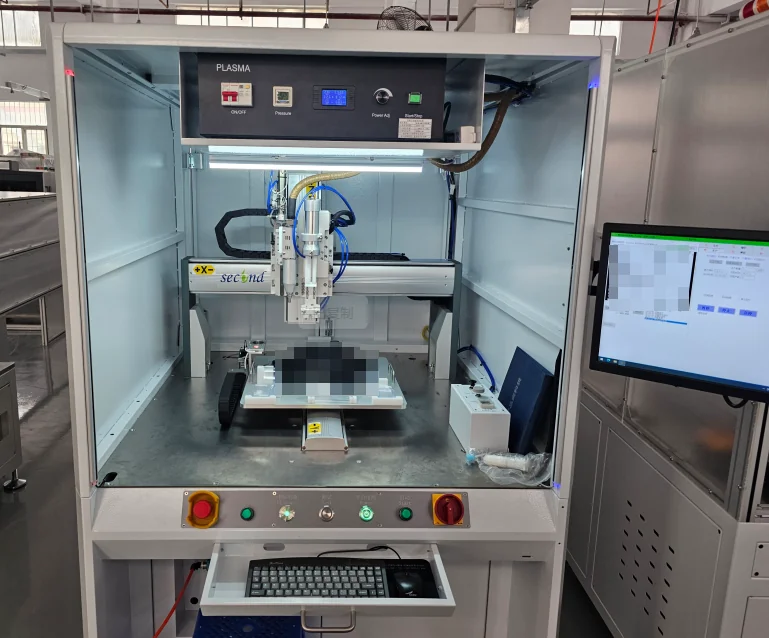
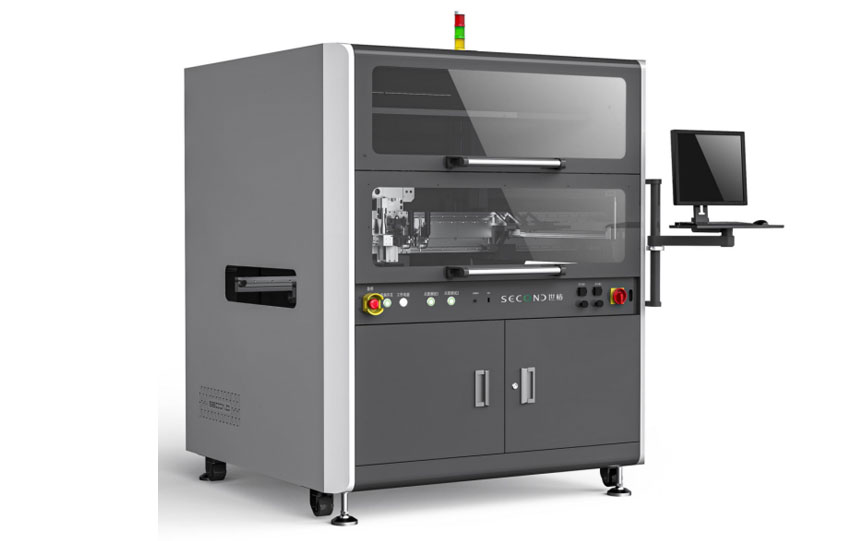
To meet the high-precision PCB dispensing requirements, the system adopts the following core configuration:
1.High-precision motion platform (XYZ)
1.Repeatability: ±0.01mm
2.Suitable for dispensing of micro-pitch components
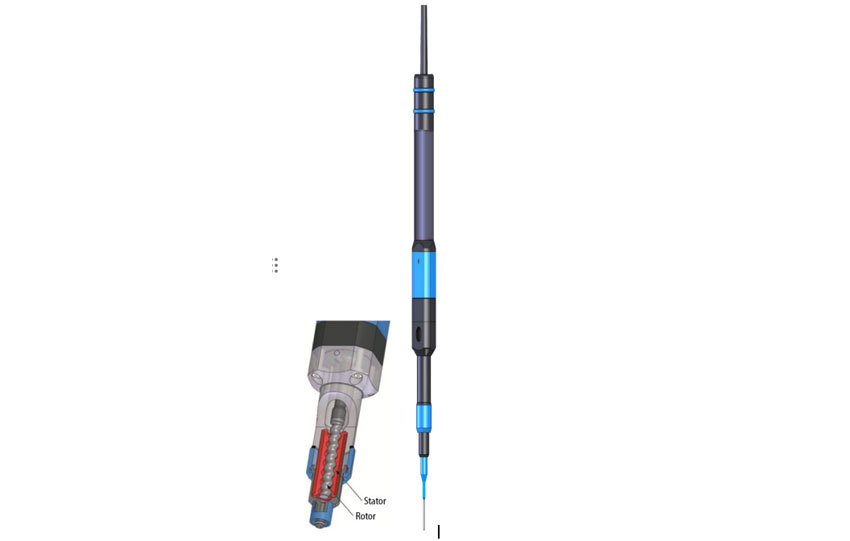
2.High-performance dispensing valve system
1.Jetting valve: Suitable for micro-dot, high-speed dispensing
2.Screw valve: Suitable for high-consistency quantitative dispensing
3.CCD vision positioning system
1.Supports Mark point recognition
2.Automatically achieves XYθ compensation
3.Fluid temperature control system
4.Constant temperature control (25–30℃)
5.Improves adhesive flow stability
6.Intelligent auxiliary module
1.Automatic back suction (anti-stringing)
2.Needle cleaning (anti-needle clogging)
3. Typical application scenarios
1.BGA Underfill: Improves solder joint reliability
2.Corner Bond: Enhances structural strength
3.Shielding (Encapsulation): Prevents EMI interference
4.Conformal Coating (Local): Moisture-proof and corrosion-proof
III. Common Problem Analysis and Solutions
3.1 Problem 1: Position Offset
Phenomenon: The dispensing position deviates from the target pad or component edge; poor consistency in position across different batches.
Underlying Causes:
1.Thermal stress deformation of the PCB after SMT reflow.
2.Insufficient fixture repeatability.
3.Traditional fixed coordinate programming cannot adapt to deviations.
Solution (Industry Standard Practice):
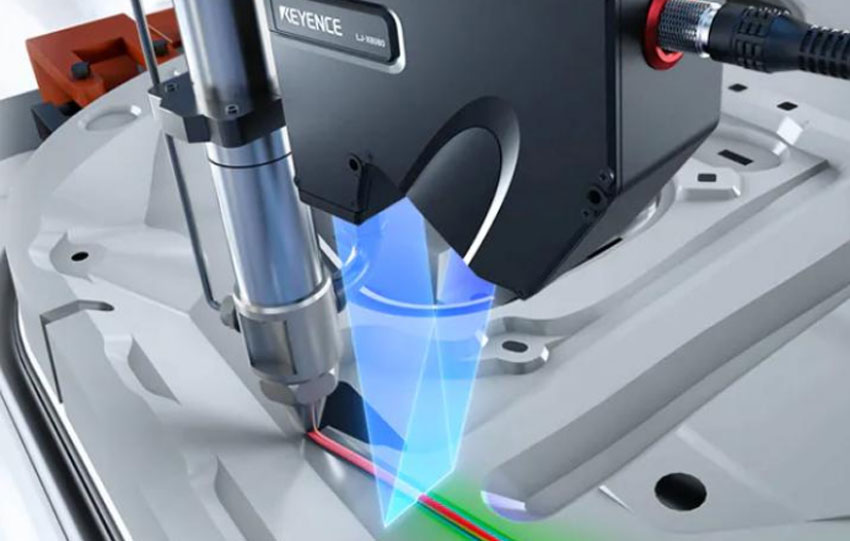
1.Introduce a CCD vision system for automatic mark point recognition.
2.Achieve dynamic compensation across XYθ axes.
3.Optimize fixture structure (anti-warping design).
Implementation Results: Positioning accuracy can be stably controlled within ±0.02mm.
3.2 Problem 2: Stringing
Phenomenon: A trailing effect occurs after dispensing, forming fine filaments.
Cause Analysis: 1. Glue viscosity too high. 2. Insufficient back-suck parameters. 3. Inappropriate needle height.
Solutions: 1. Enable back-suck function. 2. Heat glue to 25–30℃ to reduce viscosity.
3. Optimize Z-axis lifting speed.
Optimization Results: 1. Stringing phenomenon reduced by more than 90%.
3.3Problem Three: Bubble
Phenomenon: Bubbles exist inside the glue, affecting reliability after curing.
Cause Analysis: 1. Glue not fully degassed. 2. Air entrapment during dispensing. 3. Pressure fluctuations.
Solutions: 1. Use vacuum degaussing equipment. 2. Use a stable glue supply system (screw valve). 3. Optimize dispensing speed (soft start).
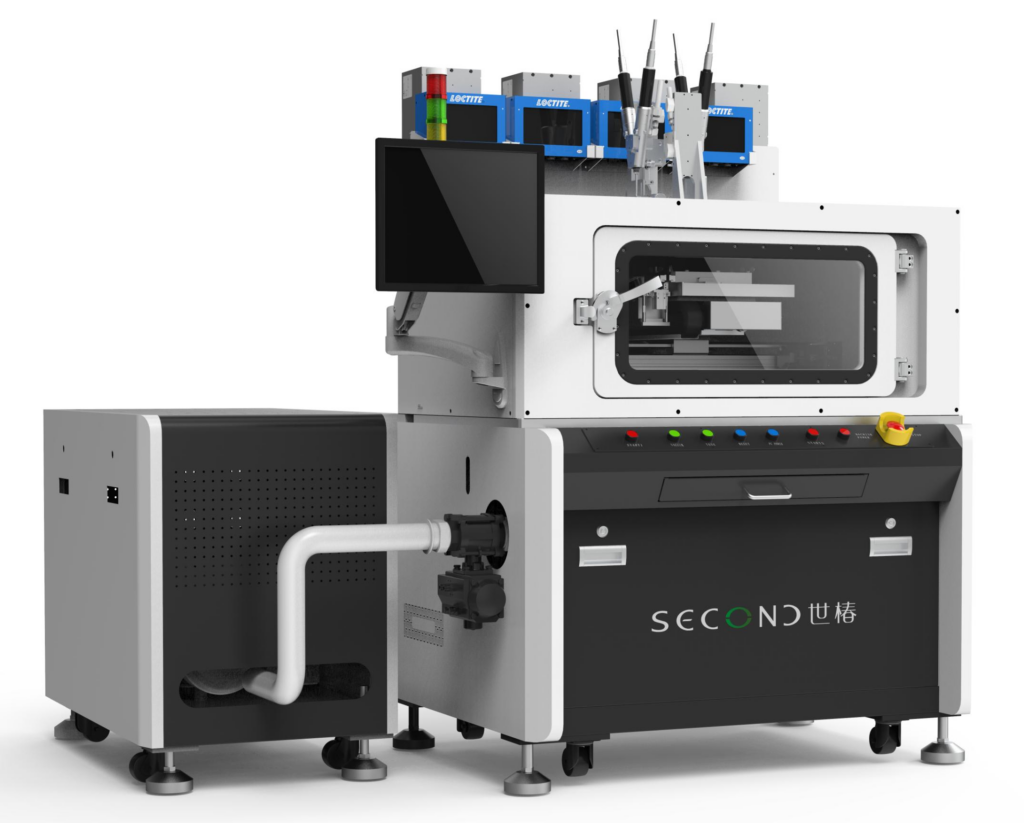
Optimization Results: Bubble rate reduced to <1%.
3.4 Problem Four: Glue Overflow
Phenomenon: Glue overflows the target area, contaminating surrounding components.
Root Cause Analysis: 1. Inaccurate dispensing volume control 2. Mismatched PCB surface tension 3. Excessively high glue flowability
Solutions: 1. Use a screw valve for precise metering 2. Segment dispensing 3. Adjust glue formulation (thixotropic)
Optimization Results: Significantly improved glue overflow problem, increased yield
3.5 Problem Five: Poor Repeatability
Symptoms: 1. Uneven glue dot size 2. Poor product consistency
Root Cause Analysis: 1. Air pressure fluctuations 2. Glue temperature variations 3. Insufficient valve precision
Solutions: 1. Use a closed-loop control valve (screw valve/jet valve) 2. Add a temperature control system (constant temperature) 3. Regularly calibrate the equipment
Optimization Results: Repeatability improved to within ±3%
3.6 Problem Six: Difficulty in Programming Complex Paths
Symptoms: 1. Long programming time 2. Low efficiency in switching between multiple products
Root Cause Analysis: 1. Low efficiency of manual teaching 2. Complex paths Solution: 1. Import DXF files to automatically generate paths 2. Establish standard process templates 3. Support recipe management
Optimization Effect: Programming efficiency improved by over 70%
Ⅳ.Comprehensive Optimization Solution (Recommended Configuration)
For PCB dispensing machine applications, the following configuration is recommended:
1.CCD vision positioning system (standard configuration)
2.DXF import function (recommended for multi-variety production)
3.Spray valve (for high-precision scenarios)
4.Temperature control + back suction system (for stable dispensing)
Ⅴ.Summary of Implementation Results
Through the above optimization measures, the following can be achieved:
1.Improved dispensing accuracy
2.Increased yield (>98%)
3.Reduced reliance on manual labor
4.Increased production efficiency
Ⅵ.Conclusion
The core of PCB dispensing lies in:
“Precise positioning + stable dispensing + process matching”
Second Intelligent Automation Equipment, through its comprehensive motion control, vision system, and fluid control technology, can effectively solve the main process problems in PCB dispensing and meet the needs of high-end electronic manufacturing.