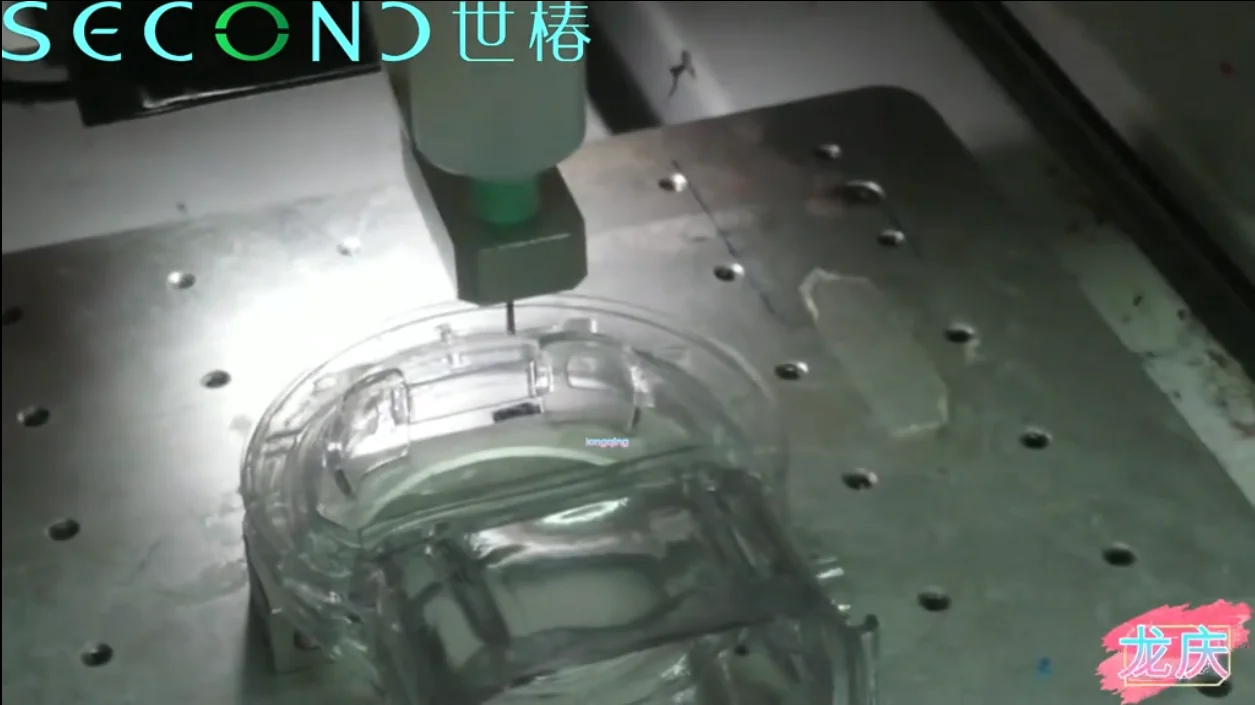
Applying sealant to the sealing grooves of medical products using sealing silicone is a technology with extremely high requirements for precision, cleanliness, and process stability. It’s not simply about injecting adhesive into the groove; it’s a systematic engineering project involving material selection, equipment configuration, process control, and environmental protection.
The following are the operational procedures and key technical points based on industry practice:
1.Core Material: Choosing the Right Sealing Silicone Liquid silicone rubber (LSR) is the preferred choice for sealing medical products. Unlike traditional solid silicone (which requires pre-molding), LSR is a two-component, flowable, heat-curing material that can be directly filled into the sealing groove and cure in situ to form a sealing ring.
● Key Characteristics:
Biocompatibility: Must be certified to ISO 10993 standards to ensure no cytotoxicity and safety for humans.
Physical Properties: After curing, it must possess high tensile strength (>5MPa), high elongation at break (>500%), and high resilience (>90%) to ensure the durability and reliability of the seal.
Viscosity: Typical sealants have very high viscosity, reaching 100,000–300,000 cps. This means it is not watery but rather a toothpaste-like paste, requiring significant dispensing force.
2.Equipment Configuration:High-Precision Adhesive Dispensing System For high-viscosity silicone, equipment capable of precise control and drip prevention is required. The core equipment is a high-precision dispensing machine and adhesive supply system.
Application Requirements/Dispensing Processes:
● Precision Dispensing: Recommended equipment: High-precision adhesive dispensing machine. Key parameters/functions: Dispensing time accurate to 0.0001 seconds, provides constant air pressure output, ensuring consistent glue volume at micro-levels, unaffected by glue viscosity variations.
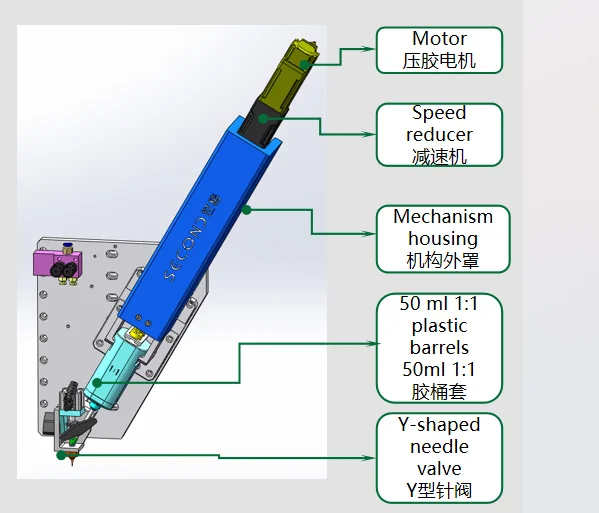
● Micro-dispensing: Recommended equipment: Micro-dot Needle glue dispensing Valve. Key parameters/functions: Can dispense glue dots as small as 150 µm in diameter, suitable for precision sealing grooves in micro-medical devices.
Application Requirements/Dispensing Processes:
● Precision Dispensing: Recommended equipment: High-precision adhesive dispensing machine. Key parameters/functions: Dispensing time accurate to 0.0001 seconds, provides constant air pressure output, ensuring consistent glue volume at micro-levels, unaffected by glue viscosity variations.
● Micro-dispensing: Recommended equipment: Micro-dot Needle glue dispensing Valve. Key parameters/functions: Can dispense glue dots as small as 150 µm in diameter, suitable for precision sealing grooves in micro-medical devices.
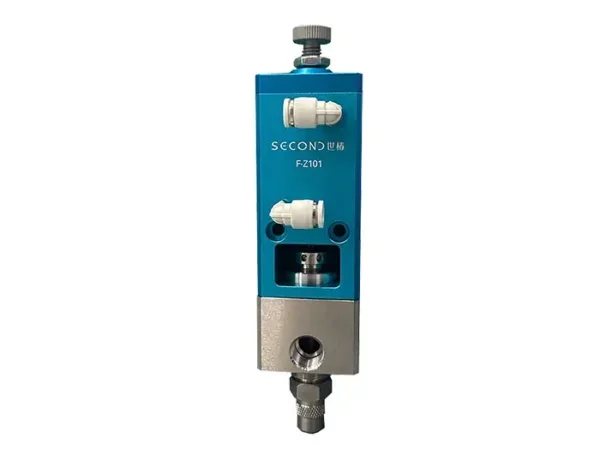
Needle glue dispensing Valve
● High-viscosity glue supply: Recommended equipment: Screw pump. Key parameters/functions: Stable glue output, unaffected by viscosity fluctuations, ensuring continuous and stable injection of high-viscosity silicone into narrow and deep sealing grooves.
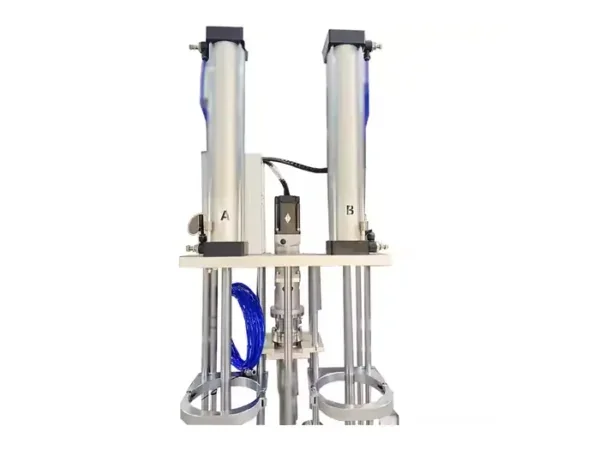
2k glue dispenser Screw Pump
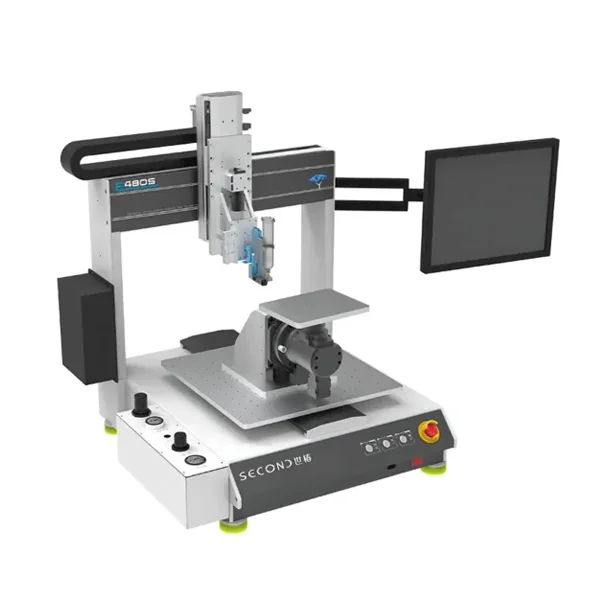
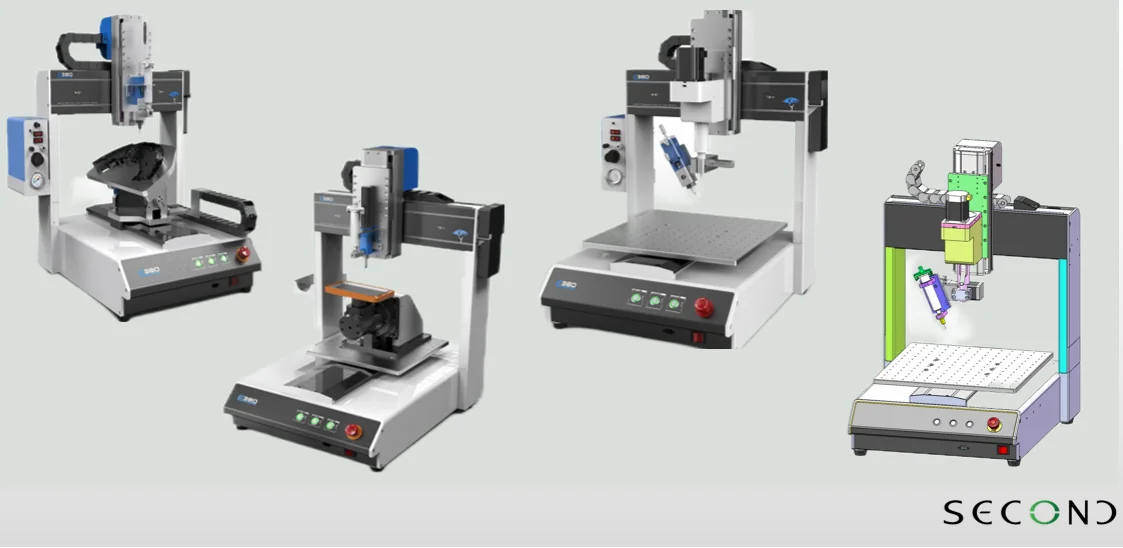
Desktop glue dispensing machine robot SEC-E480SV
The Second Intelligent SEC-E480SV desktop computer adopts a high-precision servo motor and ground ball screw, ensuring accuracy while also offering better cost performance. It is equipped with CCD vision height measurement, resulting in faster programming efficiency and higher accuracy. This desktop computer features an aerospace-grade aluminum alloy die-cast unibody design, making it more robust and stable. It also boasts dual rotary stations, making it compact and flexible.
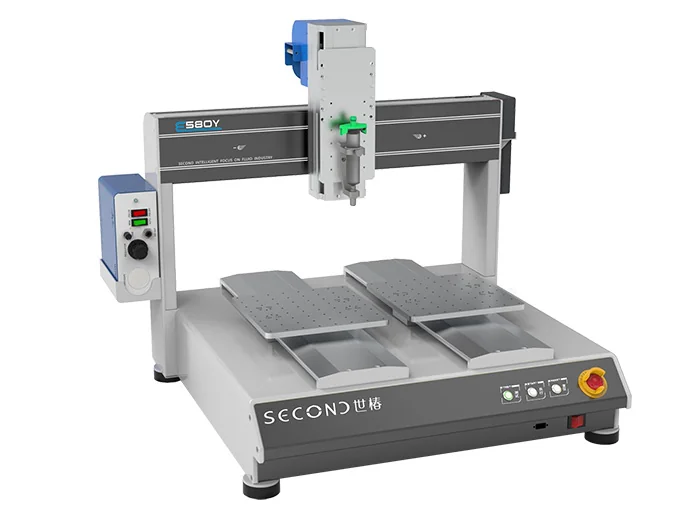
Double Y platform, double station Glue Dispensing Machine SEC-E580
The Second Intelligent SEC-E580 desktop dispensing machine achieves semi-automation from manual to semi-automatic dispensing. As the largest desktop model in its class, it features an aerospace-grade aluminum alloy casting design, unibody molding for high strength and stable operation. The X/Y axis drive components are directly mounted on the casting, reducing the number of parts and improving assembly efficiency. It maintains precision while offering flexibility, expandable to dual Y-axis dual rotation for six-axis alternating dispensing, significantly improving work efficiency. Equipped with CCD vision height measurement, it offers faster programming and higher accuracy.
3.Process Flow: Complete Steps from Application to Curing
Step 1: Precision Injection
Adjust equipment parameters to optimal settings and continuously and evenly inject silicone into the sealing groove. For extremely precise components such as micro silicone tubes with a diameter of only 0.5mm, by precisely controlling the rotor speed and dispensing time, a glue layer thickness control of 0.05mm ± 0.01mm can be achieved, with a thickness variation coefficient (CV) as low as 6.2%.
Step 2: Contamination Prevention (Drip Prevention)
Medical dispensing is most susceptible to contamination of critical areas (such as sensors and flow channels) by glue dripping. The intermittent vacuum mode of the dispensing equipment must be activated to instantly retrieve the glue from the needle at the end of each dispensing cycle, preventing dripping.
Step 3: In-situ Curing
After the sealant is filled, it needs to be heated for curing, transforming it from a paste into an elastic solid.
● Curing Conditions: Typically, curing in an oven at 140-150°C for at least 1.5 hours is required.
● Quality Control: The cured sealing ring must fit tightly against the tank wall, without air bubbles or gaps. Any tiny air bubble can become a leakage channel. Therefore, some advanced processes use a “pre-dispensing-lifting-secondary dispensing” method to remove air bubbles.
4.Environmental Requirements: Cleanroom Production
Medical product dispensing must be performed in a strictly clean environment. This is not only a regulatory requirement but also a prerequisite for ensuring dispensing quality.
● Cleanliness Level: Dispensing operations are typically performed in ISO Class 7 (formerly Class 10,000) or higher cleanrooms.
● Equipment Requirements: The glue dispensing equipment itself must also be adapted to the cleanroom environment. Some advanced equipment uses fully electric drives instead of traditional hydraulic or pneumatic drives, fundamentally eliminating grease leakage and exhaust emissions, thus directly integrating the equipment into the cleanroom production line, simplifying the process and reducing the risk of contamination.
Summary
The dispensing of sealing grooves for medical products essentially involves using high-precision automated dispensing equipment in a controlled clean environment to precisely inject high-performance liquid silicone rubber that meets biocompatibility standards into designated grooves, and then curing it through precise heating.
This process replaces the complex traditional process of first creating molds to produce rubber rings and then assembling them, not only simplifying the process and saving costs but also enabling more complex and precise sealing designs.
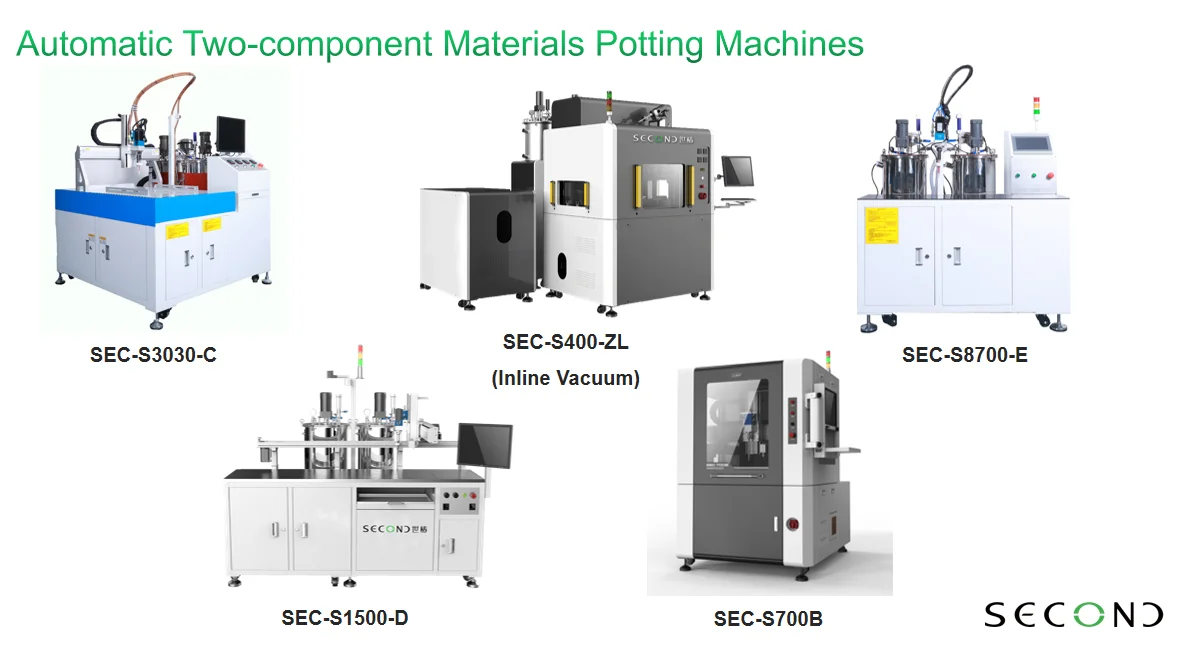
Second Intelligent has played an important role in theresearch, development, manufacturing, pre-sales and after-sales services of fluid dispensing robot, potting and coating solutions which range from various types of automatic fluid dispensing, potting, two-component potting machines and coating machines with desktop, free-standing, inline or cobot combined systems, and widely used in global electrical, electronics, home appliances, automobile, telecom, pharmaceutical, automotive electronics, semiconductor, aerospace, LED and more.