As electronics, medical devices, and advanced manufacturing continue to demand higher precision and consistency, piezoelectric injection valves have become a critical component in modern dispensing systems. Compared with traditional pneumatic valves, piezo-driven technology enables faster response, higher repeatability, and more accurate control — especially for dot dispensing applications.
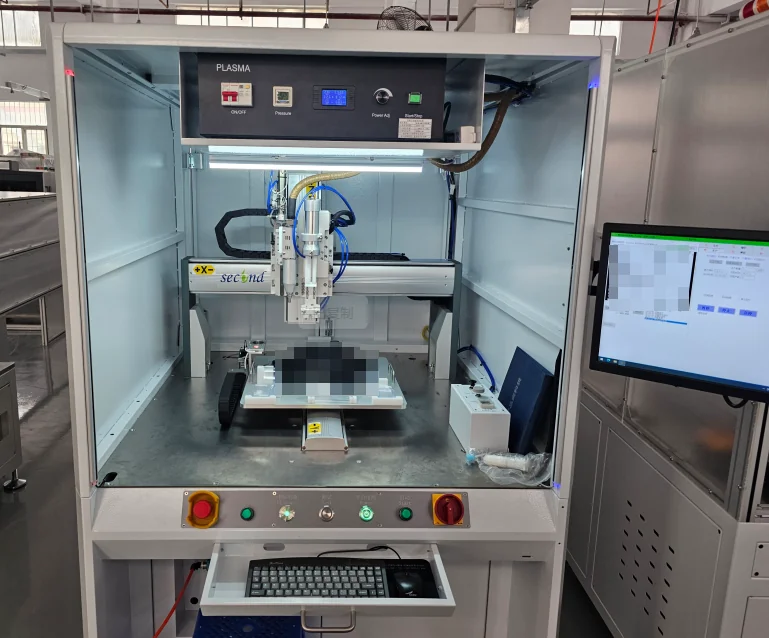
However, valve performance alone does not guarantee stable production. To fully unlock the advantages of piezoelectric injection valves, they must be integrated into a well-matched dispensing system, including motion control, fluid supply, heating, and software coordination.
This article explains the key considerations when selecting a piezoelectric injection valve and shows how system-level integration transforms valve capability into reliable, high-yield production results.
Why Piezoelectric Injection Valves Are Used in Precision Dispensing
Piezoelectric injection valves use piezo actuators to control needle movement at extremely high speed. This design allows precise metering of small adhesive volumes with minimal mechanical delay.
Typical advantages include:
High-frequency dispensing for dot applications
Excellent repeatability at micro-volume levels
Electronic volume control instead of air-pressure dependency
Faster response and higher accuracy than pneumatic valves
Suitability for low to medium viscosity fluids
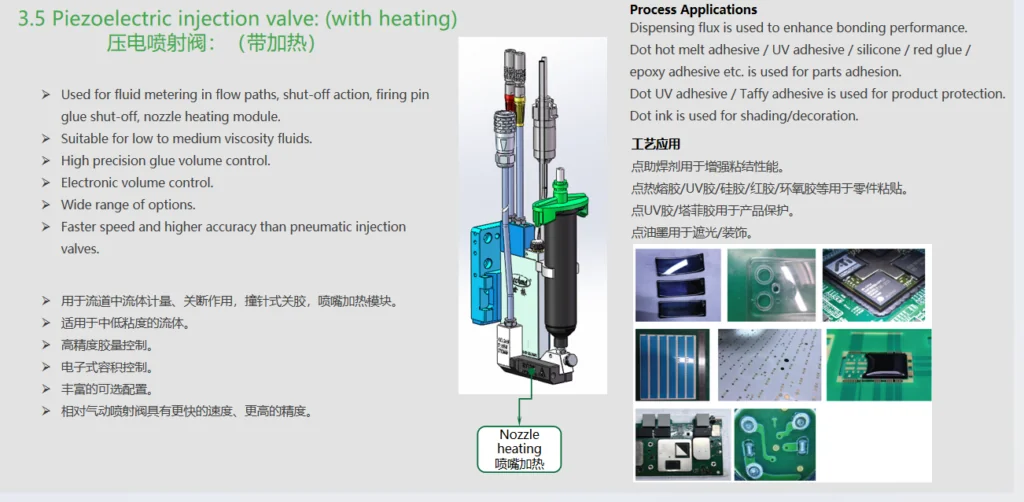
These features make piezoelectric injection valves widely used in applications such as PCB assembly, component bonding, UV adhesive protection, silicone dispensing, and decorative ink coating.
Key Factors When Selecting a Piezoelectric Injection Valve
1.Dispensing Accuracy and Volume Control
For dot dispensing, especially at small diameters, consistent volume control is essential. Piezoelectric injection valves excel in this area because dispense volume is electronically controlled rather than adjusted through air pressure.
In practical production, accuracy depends not only on the valve but also on how well it is synchronized with motion and triggering signals. A system that coordinates valve actuation with precise XYZ movement ensures consistent dot size and placement across the entire workpiece.
2.Fluid Compatibility and Heating Capability
Many adhesives used in electronics and industrial assembly — such as hot melt, UV adhesive, epoxy, silicone, and red glue — require stable temperature control to maintain viscosity and flow consistency.
A piezoelectric injection valve equipped with a nozzle heating module improves flow stability, reduces stringing, and enhances bonding performance. When combined with a temperature-controlled fluid supply system, the valve can operate reliably across a wider viscosity range while maintaining high repeatability.
3.Speed, Frequency, and Process Window
Modern production lines rarely run at a single speed. Start-stop cycles, inspection pauses, and product changes require dispensing systems to remain stable across different operating conditions.
Piezoelectric injection valves support higher dispensing frequencies than pneumatic alternatives, making them suitable for high-speed dotting applications. When integrated into a dispensing system with coordinated motion control and software-based timing, they maintain clean cut-off and consistent dot formation even during acceleration and deceleration.
4.Clean Operation and Maintenance
Adhesive buildup, dripping, and contamination can significantly impact yield and machine uptime. Valve design plays a role, but system-level factors such as heating stability, fluid conditioning, and triggering accuracy are equally important.
A properly integrated piezoelectric dispensing system minimizes adhesive waste, reduces nozzle contamination, and simplifies maintenance. This results in longer continuous runtime and lower total operating cost.
System-Level Integration: Turning Valve Performance into Production Stability
While the piezoelectric injection valve is the core dispensing component, overall system design determines real-world performance.
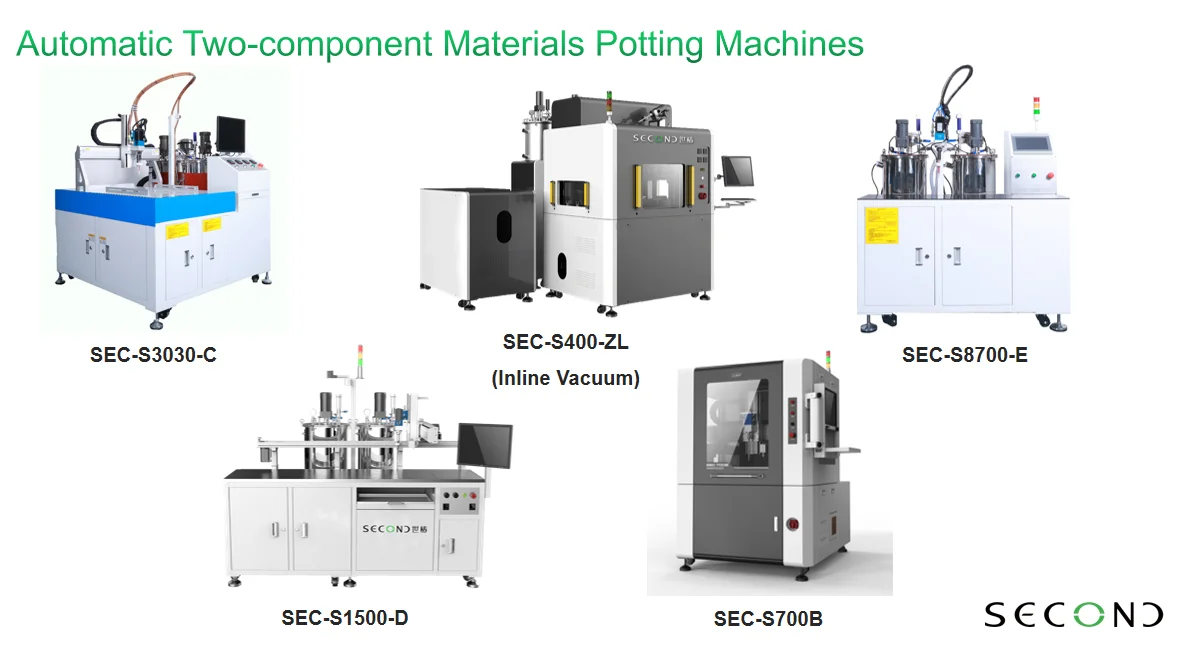
Our dispensing systems integrate:
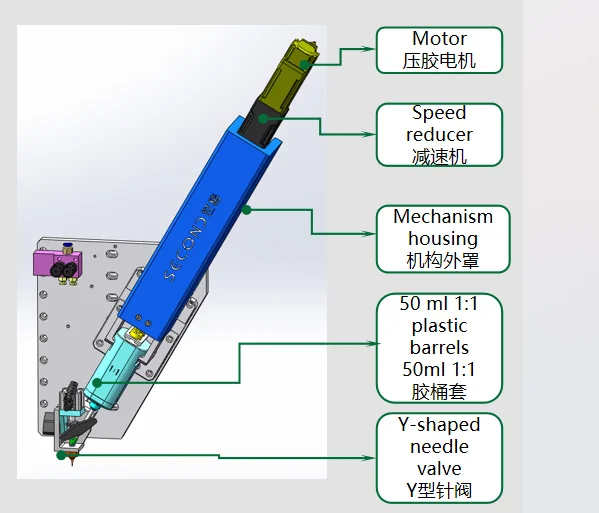
Piezoelectric injection valves with nozzle heating
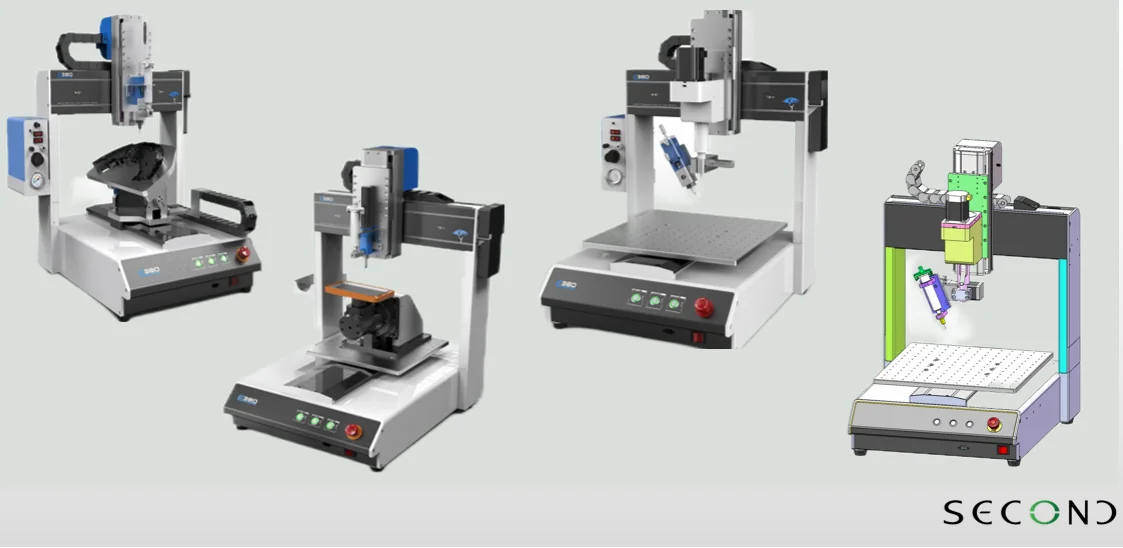
Precision XYZ motion platforms
Temperature-controlled fluid supply units
Electronic volume control via software recipes
High-speed triggering and synchronization
By controlling adhesive flow, temperature, motion, and timing as a single system, we ensure that the valve operates within its optimal window — delivering consistent results from the first part to the last.
Typical Process Applications
When integrated into our dispensing systems, piezoelectric injection valves are commonly used for:
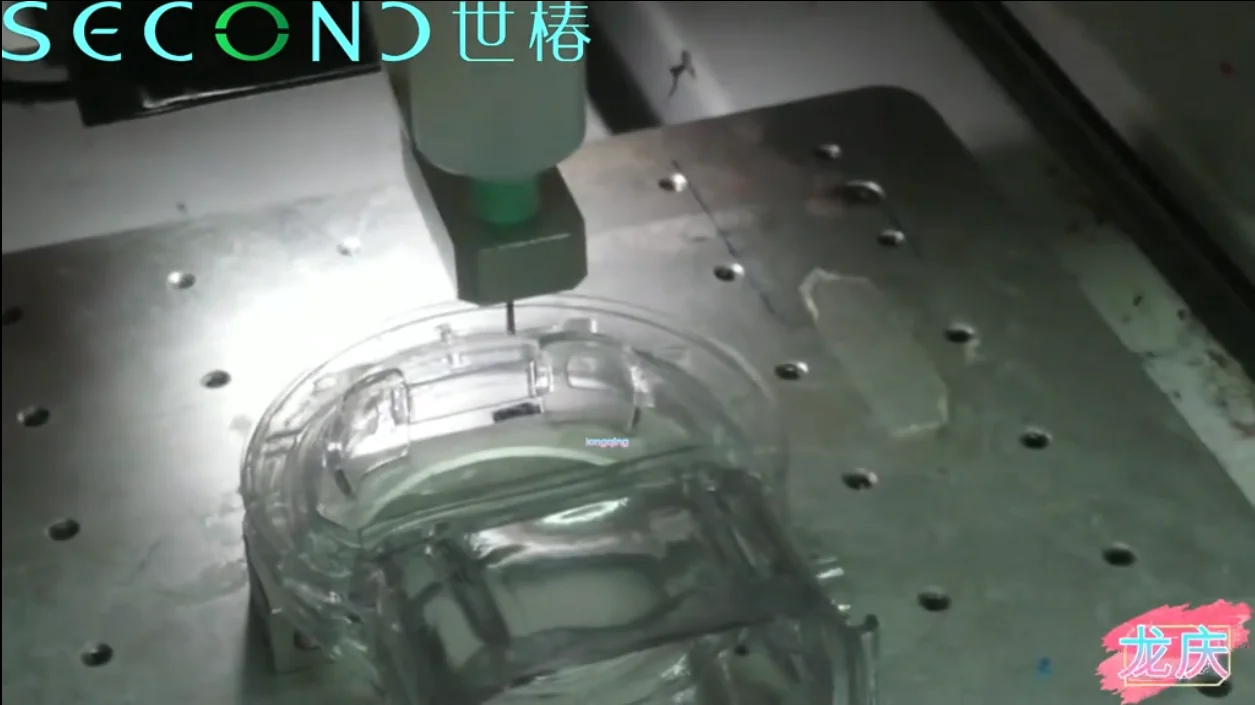
Dot dispensing to enhance bonding strength
Hot melt, UV adhesive, silicone, epoxy, and red glue for component adhesion
UV adhesive and taffy adhesive for product protection
Ink dotting for shading and decorative patterns
These solutions are widely applied in electronics manufacturing, PCB protection, semiconductor packaging, and precision industrial assembly.
Why System Solutions Matter More Than Individual Components
Selecting a piezoelectric injection valve is only the first step. Without proper motion control, temperature stability, and software coordination, even the best valve cannot deliver consistent production results.
A system-level solution provides:
Faster setup and recipe switching
Higher yield at low adhesive consumption
Better repeatability at high speed
Reduced operator dependency
Scalable performance for future process upgrades
Conclusion
Piezoelectric injection valves play a vital role in high-precision dispensing applications, offering speed, accuracy, and electronic volume control that pneumatic systems cannot match. However, true production stability comes from integrating the valve into a complete dispensing system designed around process control, material behavior, and automation requirements.
By combining advanced piezoelectric valve technology with motion control, heating, and intelligent software, manufacturers can achieve reliable, repeatable, and efficient dispensing — even as product designs and process demands continue to evolve.