If you’re reading this proposal, you’re likely already planning or have launched a hydrogen production line.
Let’s start with a judgment: The global hydrogen energy technology roadmap is now largely clear. The real watershed lies in who can stably, efficiently, and cost-effectively manufacture core components.
This is precisely what Second Intelligent has been doing for years.
Part One: Where is Hydrogen Energy Now?
Hydrogen energy isn’t new. The principle of producing hydrogen through water electrolysis was discovered in 1800. The concept of a “hydrogen economy” was formally proposed during the 1970s oil crisis. In 2014, the Toyota Mirai made the world take fuel cell vehicles seriously for the first time.
But what has truly propelled hydrogen energy onto the fast track is the last few years.
National strategies have been rolled out intensively, and green hydrogen production capacity has doubled. The industry is moving from “laboratory verification” to “large-scale manufacturing.”
What’s most lacking at this stage? Not technological principles, but manufacturing capability.
Part Two: Why Need Hydrogen Energy When We Already Have Solar and Wind Power?
Your end customers may have asked you this question as well.
The answer is actually quite simple: Solar and wind power solve the problem of “generating electricity,” while hydrogen energy solves the problem of “what to do with the electricity after it’s generated.”
Wind and solar power generation is intermittent, and resource locations and energy consumption centers are often misaligned. Green electricity generated in the west is difficult to directly deliver to factories in the east. This is where hydrogen energy comes in—converting green electricity into hydrogen, storing it, transporting it, and using it when needed.
There’s another layer: for industries like steel, chemicals, and cement, electrification is difficult, and hydrogen energy is a realistic path to decarbonization for them. This is a definite demand driven by policy.
Therefore, hydrogen energy is not competing with solar and wind power, but rather filling their gaps. This is why major global economies are betting on hydrogen energy, rather than relying solely on wind and solar.
Part Three: The Global Hydrogen Energy Landscape and Your Opportunities
Let’s look at China first. China is the absolute leader in scale—its annual hydrogen production exceeds 39 million tons, accounting for more than half of global capacity, and its entire industrial chain of production, storage, and utilization is fully operational. Green hydrogen production capacity is also doubling.
However, the situation varies significantly across regions: Japan and South Korea have leading technology, but high domestic manufacturing costs and limited markets have led them to expand their manufacturing globally.
The EU is driven by strong policy, with a carbon tariff system in place, but the cost of rebuilding the supply chain is significant.
The US leads in technology, particularly in hydrogen liquefaction, but its policies are subject to uncertainty.
What does this mean for you?
It means that regardless of your region, rapidly establishing high-quality, low-cost manufacturing capabilities is a top priority. And this is precisely what Second Intelligent can help you with.
Part Four: What Second Intelligent Does and Why Second Intelligent
We specialize in automated production equipment for core components such as hydrogen fuel cell stacking lines and PEM electrolyzer lines.
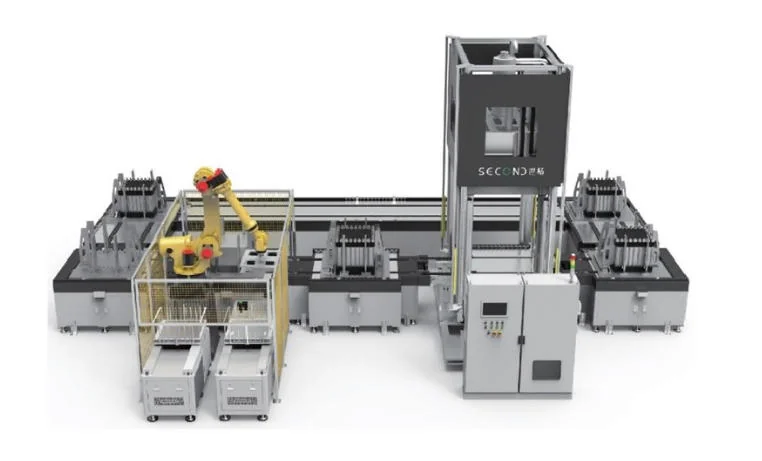
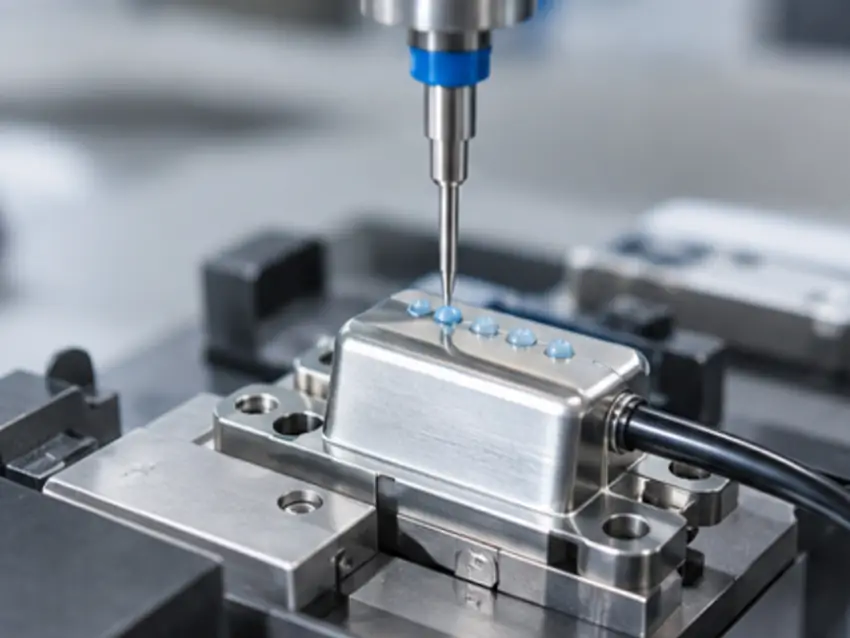
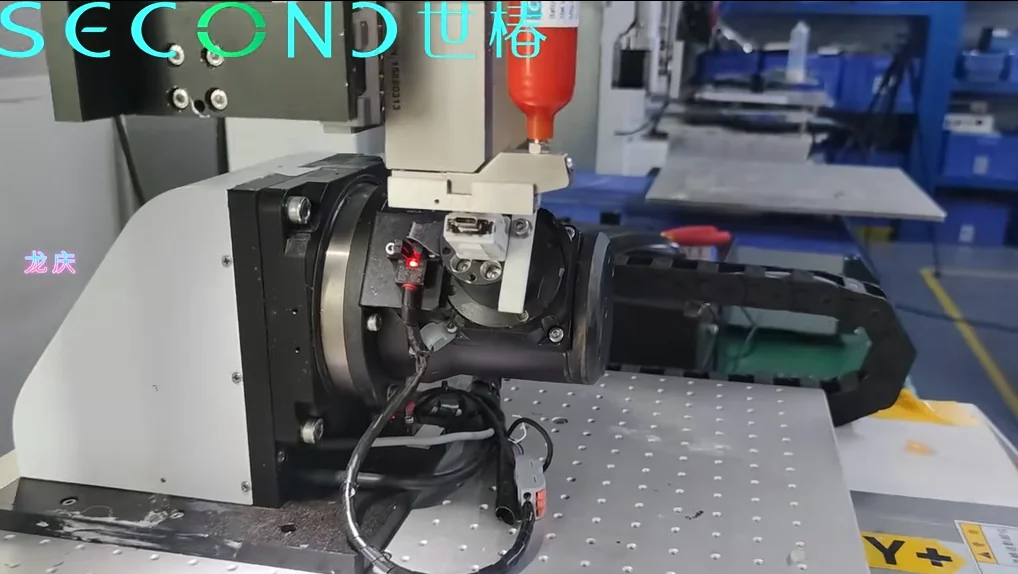
(The SEC-H800 universal dispensing machine is designed to be a dispensing device for large-stroke electrolyzers and flow batteries, primarily used for dispensing adhesive before electrode strip bonding and for pre-coating before injection. It can be adapted to different dispensing valves and product positioning platforms according to customer processes.)
From electrode plate encapsulation and membrane electrode preparation to fuel cell stack assembly and system testing, we can provide turnkey solutions for the entire production line.
Why do overseas customers choose us?
Because there is an unavoidable challenge in the manufacturing of core components for hydrogen energy: batch consistency.
Uneven membrane electrode coating, bipolar plate bonding deviation, and insufficient fuel cell stack assembly precision—these problems may not be obvious in small batches, but once scaled up, they directly impact cost and yield.
Second Intelligent’s production line integrates online inspection and data traceability, making the performance of every bipolar plate and every fuel cell stack controllable and traceable. Our roll-to-roll coating, high-precision bonding, and automated stacking equipment help you reduce labor costs and increase capacity and consistency.
Furthermore, our products comply with EU CE standards, qualifying us for entry into the European and American markets. Our production lines utilize a modular design, adaptable to fuel cell stacks of different sizes, ensuring flexible production.
Simply put: We don’t just sell equipment; we help you solidify your manufacturing process.
Part Five: How Our Overseas Sales Team Works with You
Second Intelligent’s overseas sales team directly connects with overseas hydrogen energy producers to meet their production line needs.
We offer three cooperation models:
First, equipment export. If you already have production line plans and need to supplement key equipment, we provide single units or modules.
Second, turnkey complete production line. If you are building a new production line and need to quickly achieve production capacity, we handle everything from design to delivery.
Third, technology + service output. If you want to establish local manufacturing capabilities, we become your long-term technology partner, providing equipment, software, and process support.
Regardless of the model, our commitment remains the same: rapid response, cost optimization, and continuous support.
If you are planning a hydrogen energy production line, or already doing so but want to improve automation and consistency, we are happy to discuss this further with you.
Immediate cooperation is not required. Let’s hear what you need first and see if we can help.