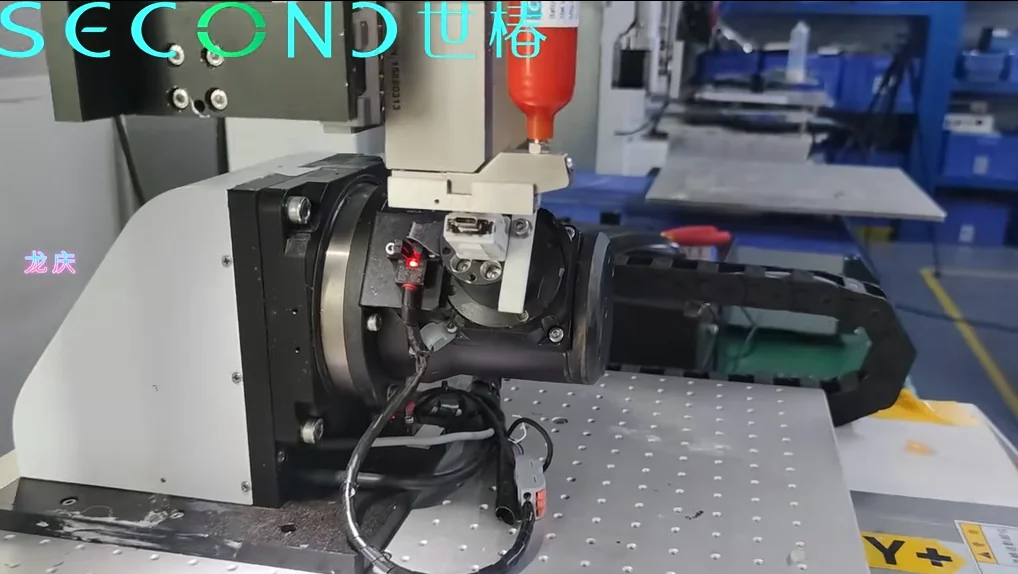
Precision dispensing of RTV adhesive for PCBA boards: Application solution of rotary suction valve.
In the electronics manufacturing field, the RTV silicone dispensing process on PCBA boards may seem simple, but it actually involves hidden complexities. Improper glue volume control, stringing, and uneven glue dots often become hidden killers affecting product reliability. The key to solving these problems may lie in the “head rotation” and “back-suction” functions of the dispensing valve.
Ⅰ.Why RTV Glue Has Become an “Essential Option” for PCBA Protection
RTV (Room Temperature Curing) silicone has been used on PCBA boards for a long time. Its core value lies in providing a protective barrier for electronic components in harsh environments—effectively blocking moisture, high temperatures, chemical corrosion, and mechanical vibration. Specifically in the PCBA scenario, its role is concentrated on three levels:
Component Fixing and Reinforcement. Larger components such as capacitors, inductors, and transformers on PCBA dispensing machine boards are prone to solder joint fatigue or even detachment under vibration or impact. The elastomer properties of RTV glue can absorb mechanical stress, playing a buffering and fixing role.
Insulation and Moisture Protection. RTV adhesive, after curing, possesses excellent electrical insulation properties, effectively preventing short circuits and leakage current. It also blocks moisture intrusion, preventing oxidation or electrochemical migration of component leads.
It is resistant to environmental aging. High-quality RTV adhesive maintains stable performance over a long period within a temperature range of -60℃ to 200℃, and also exhibits UV resistance, radiation resistance, and flame retardancy.
However, the full realization of these advantages of RTV adhesives dispensing machine largely depends on the quality of the dispensing process. Excessive adhesive application can lead to over-encapsulation of components, affecting heat dissipation; insufficient application will fail to provide adequate fixation and protection. Misaligned adhesive dots may contaminate non-target areas, and stringing or trailing adhesive may pose a short circuit
risk.
Ⅱ.Challenges in RTV Adhesive Dispensing Processes
The physical properties of RTV adhesive make it more demanding than other electronic adhesives. Its typical viscosity ranges from 50 to 1200 Pa·s, classifying it as a medium-to-high viscosity fluid, with some products being paste-like. This high viscosity presents a series of processing challenges:
Stringing and Tailing: High-viscosity adhesives tend to linger after the dispensing nozzle leaves the dot, forming fine threads. These threads can land in other parts of the PCBA, causing contamination or even short circuits in high-voltage areas.
Difficulty in Maintaining Adhesive Quantity Consistency: The viscosity of RTV adhesive fluctuates with temperature and time. Combined with fluctuations in dispensing pressure and nozzle wear, this can easily lead to inconsistent dot sizes. Studies have shown that the interaction of parameters such as nozzle diameter, pressure, and viscosity significantly affects bubble generation, adhesive layer thickness, and cycle time.
Difficulty in Precise Position Control: Dispensing positions on PCBA boards are often close to sensitive components, such as chip pins or miniature capacitors. This requires the dispensing valve to apply the adhesive to the target area with extremely high positioning accuracy, without any splashing or deviation. Air bubble problem. RTV adhesive is prone to trapping air bubbles during the supply and dispensing process. If these bubbles remain in the adhesive dots, they will form cavities after curing, reducing the protective effect and potentially becoming stress concentration points.
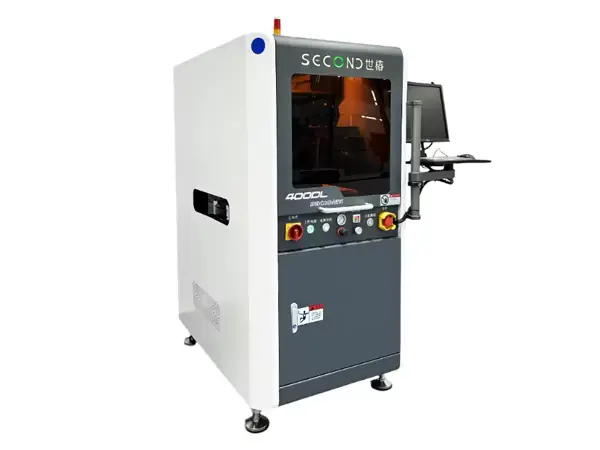
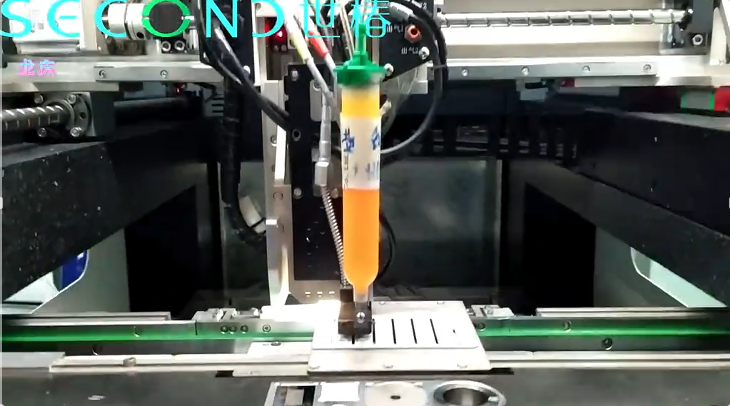
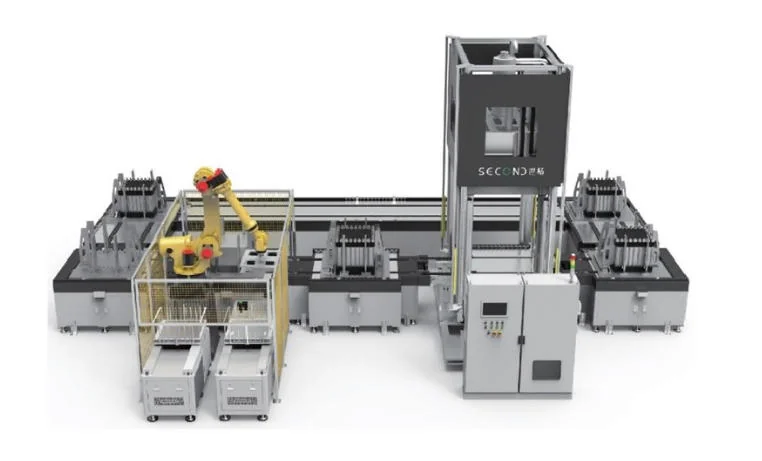
Automatic In-line PCB Glue Dispensing Machine SEC-DH400L
Second Intelligent In-line Automated Glue Dispensing Machine SEC-DH400L adopts an integrated mineral casting design, with ultra-high precision and super stability, powerful expansion capabilities, and can realize ion cleaning, dispensing, detection, UV exposure and other functions;
Adopting a gantry structure, it can bear large loads, stable structure, and a powerful CCD visual positioning system, which can meet the requirements of Mark point positioning, edge positioning, and 3D scanning positioning; strong scalability, and can expand AOI detection 3D detection, UV exposure curing and other functions;
Strong platform compatibility, contact and non-contact dispensing, single-head and multi-head synchronous dispensing, automatic compensation and adjustment of double-head spacing, five-axis dispensing function based on needle A/R displacement, etc.
III. Rotary Head Back-Suction Valve: Solving Process Pain Points from a Fundamental Perspective
To address the challenges mentioned above, the rotary head back-suction valve offers a systematic solution. Its core design principle lies in achieving a “physical cut-off” of the adhesive through mechanical means, rather than relying on the adhesive’s inherent rheological properties.
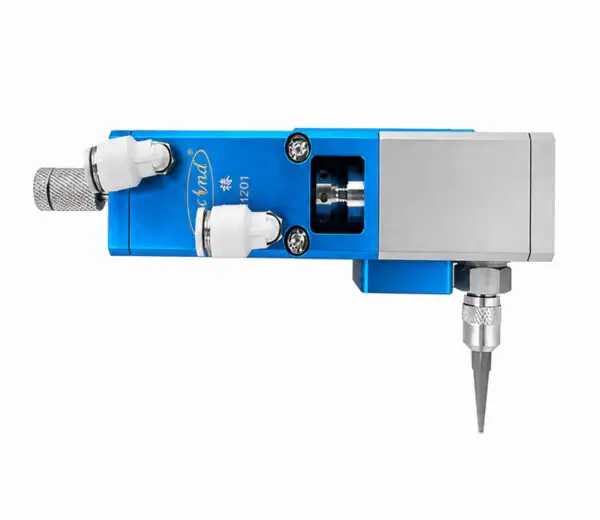
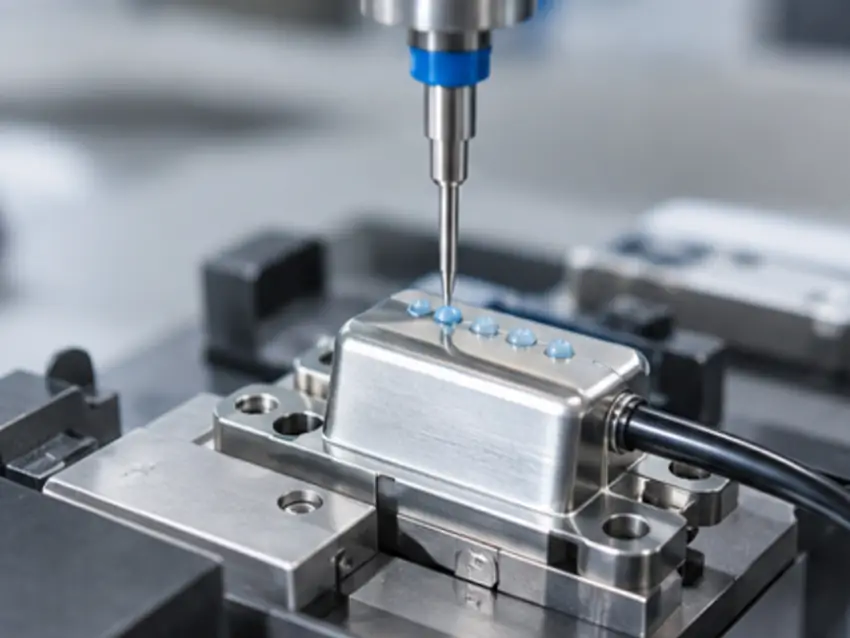
suction back glue dispensing valve F-H201
Back-Suction Function: Clean and Decisive “Stop”
The working principle of the back-suction valve is not complex. At the end of dispensing, the plunger or piston mechanism inside the valve rapidly retracts, creating negative pressure in the flow channel and “suctioning” the adhesive at the needle tip upwards a short distance. Although this action is small, it effectively prevents dripping of the adhesive during non-dispensing periods. More importantly, it ensures a “clean stop” when the needle leaves the adhesive dot, avoiding stringing and trailing.
Traditional dispensing valves, when dealing with high-viscosity RTV adhesives, often rely on needle lifting to break the adhesive string, but the break position and shape are uncontrollable. The back-suction valve, however, actively retracts the adhesive from the source, resulting in a cleaner and more decisive cut.
Head rotation: Keeping the needle always “aligned” with the target. The head rotation function solves another dimension of accuracy issues. In PCBA dispensing, many dispensing positions are not on a horizontal plane—the height differences of components and the space constraints of adjacent components all require the needle to approach the target area at a specific angle.
Taking Shenzhen Second Intelligent’s patented technology as an example, its method calculates the spacing and height difference between adjacent components to determine the angle that the injection needle needs to be adjusted, and then automatically adjusts the angle, height, and horizontal distance of the needle. The head rotary valve makes this adaptive angle adjustment possible. Whether it is vertical dispensing, inclined dispensing, or an arc path around the edge of the component, the needle can apply glue at the optimal angle, reducing glue splashing and positional deviation.
Ⅳ.Solution Configuration in Practical Applications
In actual production lines, the rotary back-suction valve is typically integrated into automated dispensing systems in a modular fashion. A typical configuration includes:
Valve Body Selection. Select a valve body of appropriate diameter based on the viscosity and dispensing volume requirements of the RTV adhesive. For precision dispensing scenarios, the back-suction valve can rotate ±180° and deflect up to 45° in one direction, meeting multi-angle dispensing needs.
Adhesive Supply System. RTV adhesive is typically supplied using a pressure tank or plunger pump. It is necessary to maintain a constant supply pressure to avoid pressure fluctuations causing changes in adhesive volume. Some solutions use high-pressure plunger dispensing pumps equipped with low-adhesion alarms and vacuum cleaning devices.
Motion Platform. A five-axis configuration (X/Y/Z/U/R) enables spatial curved dispensing paths. Combined with a vision positioning system, it can automatically identify reference points and component positions on the PCBA, compensating for board deformation and placement deviations.
Process Parameter Management. Parameters such as nozzle diameter, glue supply pressure, dispensing speed, and backflow volume need to be optimized using Design of Experiments (DOE) based on the specific adhesive model to find the parameter combination with minimal air bubbles, precise thickness, and shortest cycle time.
Ⅴ.Selection and Process Recommendations
For PCBA manufacturers evaluating rotary backflow valve solutions, the following points are worth noting:
First, confirm the adhesive characteristics. Different brands and models of RTV adhesives vary significantly in viscosity, thixotropy, and curing speed. High-viscosity paste adhesives require a larger backflow stroke and a slower dispensing speed; while relatively low-viscosity flowing RTV adhesives require more precise backflow control to prevent dripping.
The backflow volume needs to be adjustable. Different adhesives have different optimal backflow volumes, and valves with fixed backflow strokes are difficult to adapt to various adhesives. Choosing a model with adjustable backflow volume facilitates later process optimization.
Rotational accuracy is more important than rotational range. The core value of a rotating head lies in the angular positioning accuracy, not the size of the rotation angle. When evaluating a solution, the angular repeatability accuracy should be a primary focus, as it directly determines the consistency of dispensing along complex trajectories.
Integrating vision and feedback is crucial. While the backflow valve solves the “dispensing” problem, the “dispensing direction” requires a vision system to ensure accuracy. The fusion of online vision positioning and adhesive path detection is becoming standard practice for precision dispensing.
Maintaining ease of maintenance is paramount. RTV adhesive is difficult to remove after curing, and the internal flow channels and seals of the valve body require regular maintenance. Choosing a valve body with an easily disassembled and cleaned design can significantly reduce downtime.
In conclusion,
the challenge of precision dispensing of RTV adhesive on PCBA boards essentially lies in taming a high-viscosity, stringy, and position-sensitive fluid. The value of the rotary suction valve lies not in creating a completely new dispensing method, but in transforming the actions of “cut-off” and “positioning” from passive adaptations dependent on adhesive properties to deterministic processes actively controlled by a mechanical structure. For manufacturers pursuing consistent dispensing and high production line yield, this is often a worthwhile investment.
Second Intelligent has played an important role in theresearch, development, manufacturing, pre-sales and after-sales services of fluid dispensing robot, potting and coating solutions which range from various types of automatic fluid dispensing, potting, two-component potting machines and coating machines with desktop, free-standing, inline or cobot combined systems, and widely used in global electrical, electronics, home appliances, automobile, telecom, pharmaceutical, automotive electronics, semiconductor, aerospace, LED and more