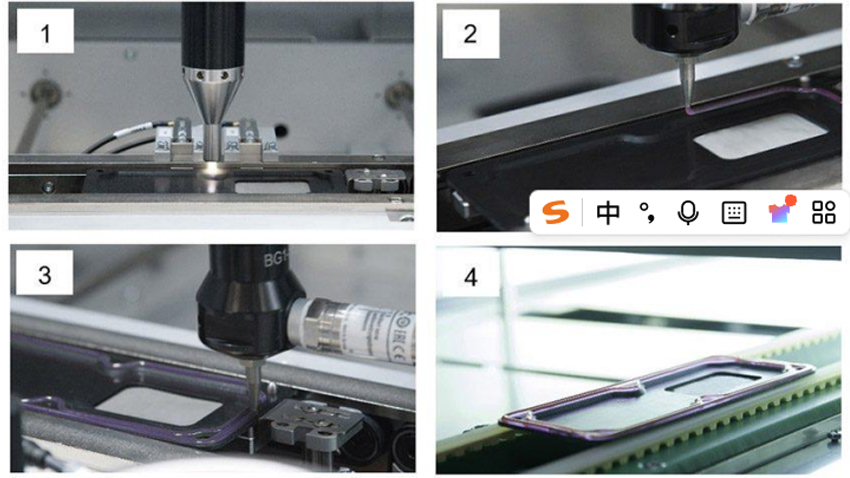
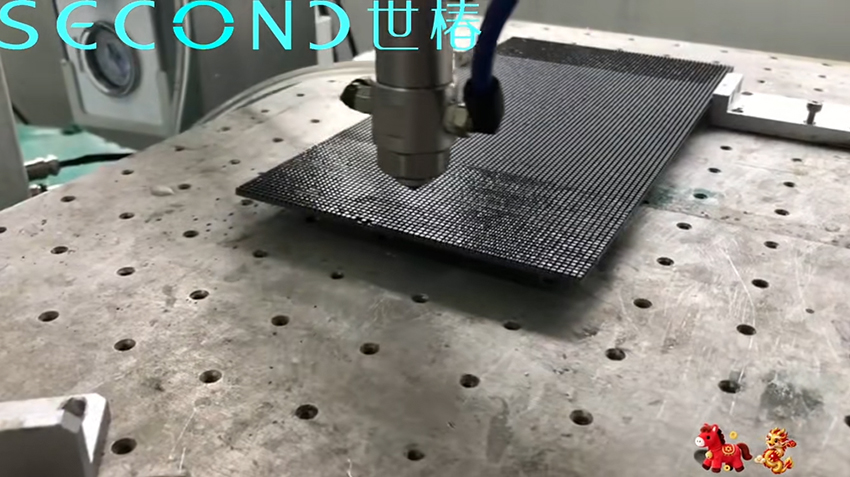
1. What Is the CIPG Dispensing Process?
In new energy vehicle, energy storage, and automotive electronics dispensing machine manufacturing, products such as battery packs, motor controllers, and on-board chargers place increasingly high demands on housing waterproofing, dustproofing, and long-term sealing. Traditional die-cut rubber gaskets require dedicated tooling and manual assembly and adapt poorly to irregular structures. CIPG (Cured-In-Place Gasket) instead forms the seal bead directly on the product surface through automated dispensing, reducing gasket fabrication and assembly steps.
Typical process flow: surface cleaning and pretreatment → automated precision dispensing → bead curing → inline inspection → housing mating.
The equipment dispenses liquid sealant quantitatively along the housing flange according to the product contour; after curing it forms a resilient seal bead. During assembly, the mating housing compresses the bead, and the elastic recovery creates the seal. CIPG is typically single-side bonded and compressed on the other side; with proper material and structural design, the housing can be disassembled for inspection and reassembled.
FIPG (Formed-In-Place Gasket) instead uses wet assembly: the housings are mated before the adhesive cures, and the adhesive forms a bonded seal between the two joint faces.
| Item | CIPG | FIPG |
| After dispensing | Cure first, then assemble | Assemble first, then cure |
| Sealing method | Mainly compression sealing | Mainly adhesive bonding |
| Adhesion | Usually single-side | Usually double-side bonding |
| Later disassembly | Relatively easy to rework | Usually difficult to disassemble |
| Key controls | Bead cross-section, curing, compression | Bead volume, continuity, curing and bonding |
Both processes have advantages; choose according to product structure, maintenance needs, and sealing requirements.
2. Core Advantages of CIPG Dispensing
1.Disassembly and repair: the cured bead remains on the original bonded surface, so the housing can be opened for inspection and, if requirements are met, reassembled.
2.Complex structures: the bead path is program-controlled, suitable for irregular flanges and complex edges; design changes only require program updates, reducing dedicated gasket tooling.
3.Automated production: robotic dispensing replaces manual gasket placement, reducing risks of omission, misalignment, and inconsistent assembly.
4.Quantitative dispensing: precision metering reduces die-cut gasket scrap and improves bead consistency.
5.High protection sealing: by controlling bead cross-section, continuity, curing, and compression, designs targeting IP67 and IP68 can be met; the actual rating requires full product testing.
3. Typical Applications of CIPG Dispensing
● NEV three-electric systems: battery pack housings, MCU motor controllers, OBC on-board chargers, DC-DC converters, BMS control units.
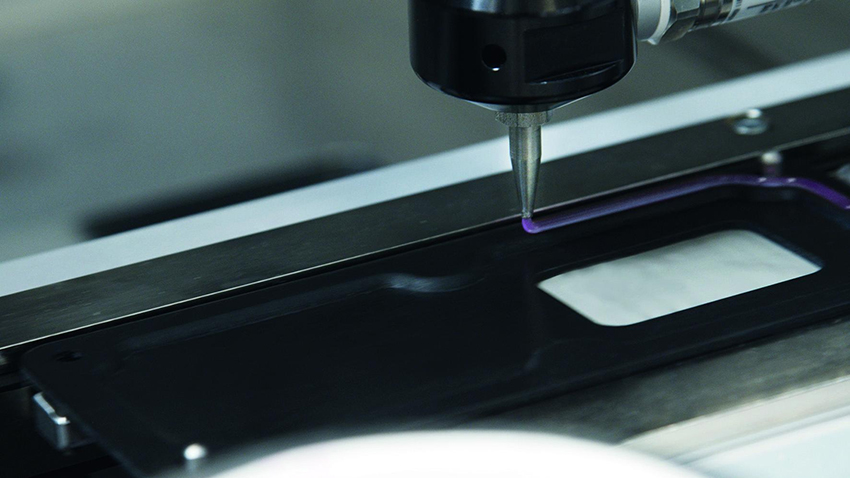
● Energy storage and charging: PCS converters, battery compartments, DC charging piles, outdoor power supplies and control boxes.
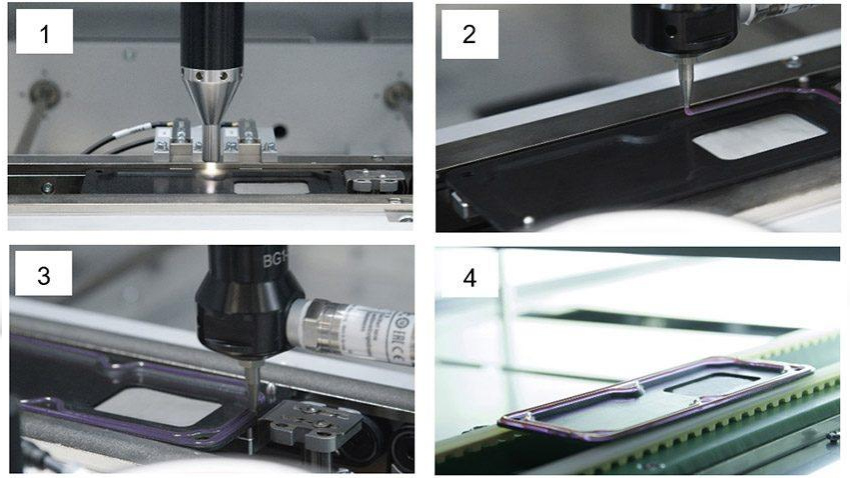
● Automotive electronics and ADAS: millimeter-wave radar housings, vehicle cameras, automotive lamps, sensors and control modules.
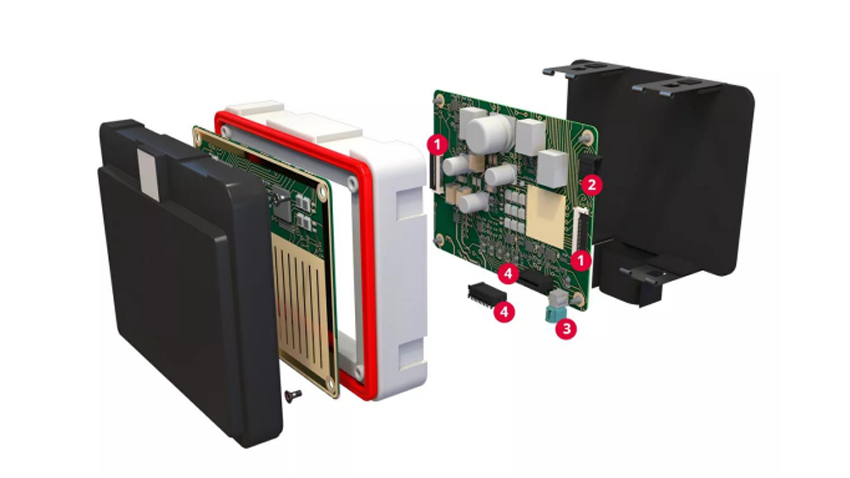
● Communications and industrial electronics: 5G base station AAU/RRU, industrial controllers, servo drives, outdoor industrial electronics.
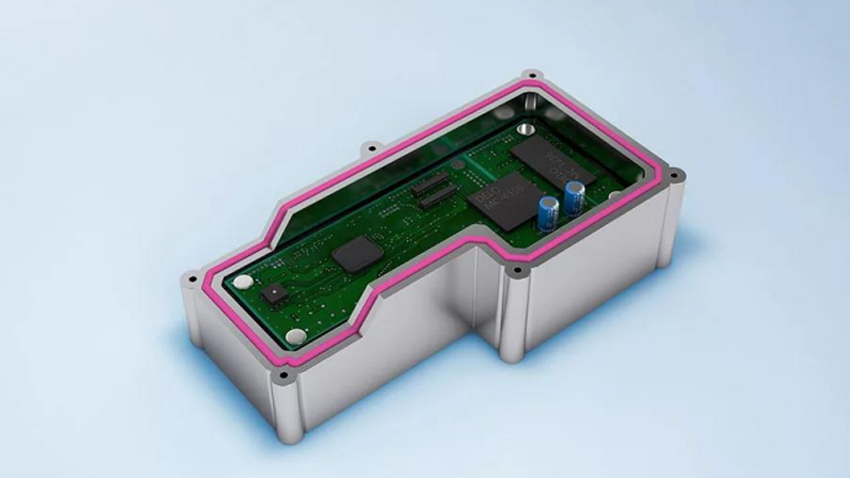
Where both waterproof sealing and EMI shielding are required, conductive sealant materials can be evaluated.
4. CIPG Dispensing Equipment and Automated Line Solutions
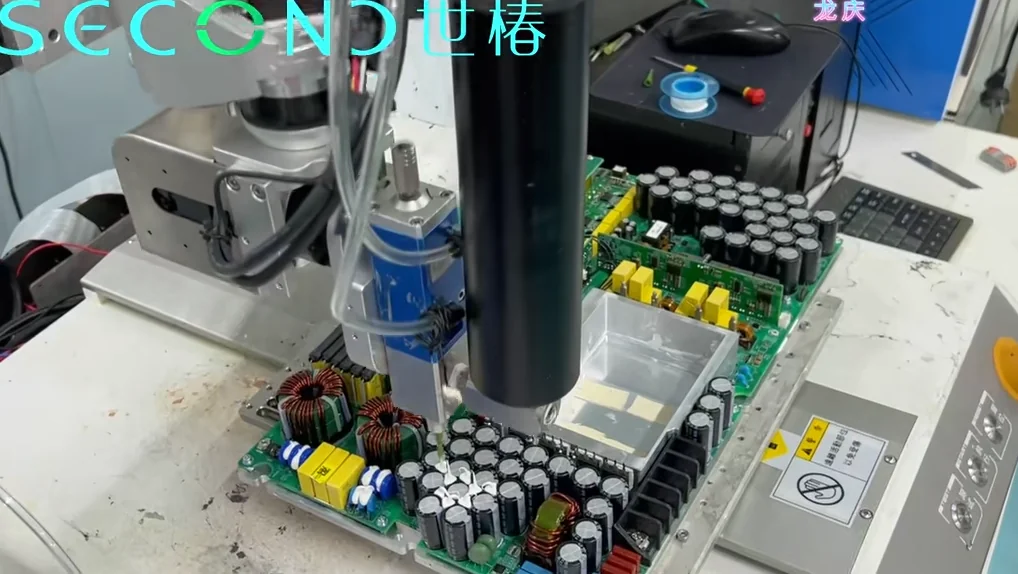
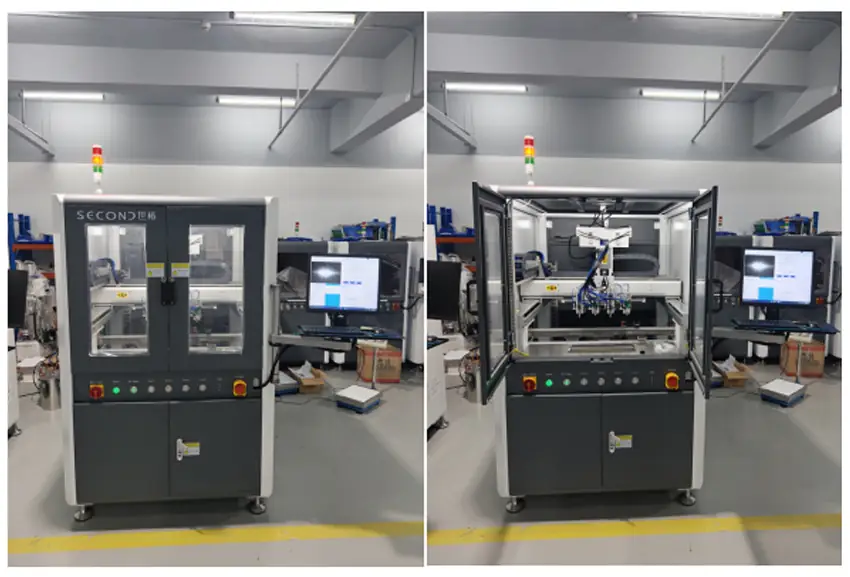
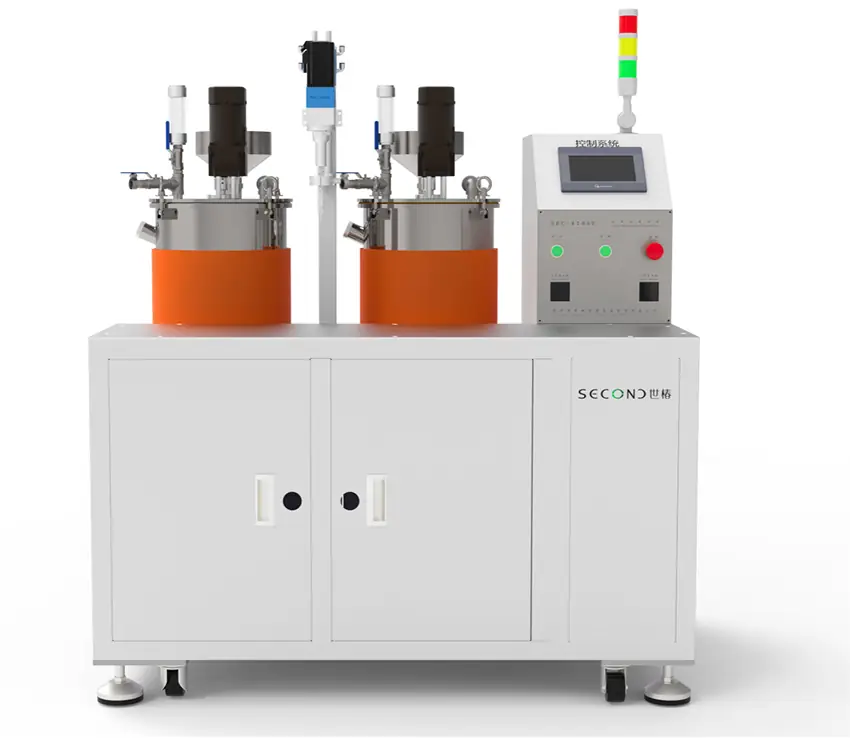
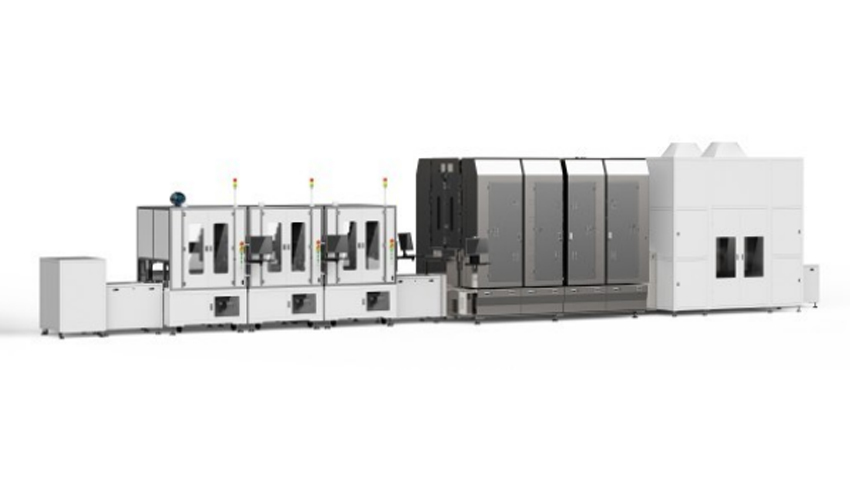
Second Intelligent serves the new energy vehicle, energy storage, and automotive electronics industries with CIPG/FIPG automated dispensing solutions, configuring standalone machines or complete lines according to product size, adhesive properties, takt time, and automation needs.
● Cleaning and pretreatment: optional plasma cleaning to improve bead adhesion reliability.
● Vision positioning and dispensing: industrial vision with multi-axis platforms for positioning and path recognition, with optional laser height sensing to compensate die-casting deviation.
● Precision fluid supply: screw valves or gear metering valves selected by adhesive viscosity and 1K/2K type for stable volume control.
● Inline inspection and curing: heating or UV curing systems with vision inspection for bead breaks, gaps, and misalignment.
● Automation and traceability: barcode scanning, recipe management, and MES integration for production and process traceability.
Lines can also integrate CIPG, FIPG, and other fluid application stations as needed.
5. How to Select a CIPG Dispensing Solution?
Key factors to evaluate when selecting CIPG equipment:
Item | Content to confirm |
Product | Dimensions, weight, material |
Adhesive | 1K/2K type, viscosity, mix ratio, curing conditions |
Dispensing | Bead width, height, path, and volume |
Sealing | IP rating, temperature and aging resistance, environment |
Production | Takt time, capacity, auto loading/unloading |
Quality | Bead inspection, leak testing, data traceability |
● Choose CIPG when: the product needs later opening for maintenance; the housing is complex and die-cut gaskets fit poorly; manual assembly and gasket tooling should be reduced; flexible automated sealing is required.
● Consider FIPG when: permanent bonded sealing is the goal, routine disassembly is not required, and wet assembly with post-curing suits the process.
6. Second Intelligent: CIPG/FIPG Automated Dispensing Solutions
Second Intelligent has deep expertise in fluid dispensing and automation equipment. Serving NEV three-electric systems, energy storage, and automotive electronics manufacturing, it delivers solutions from precision dispensing machines to fully integrated automated lines, all customizable.
If you are looking for CIPG dispensing equipment for new energy control housings, battery packs, OBC units, or energy storage products, contact Second Intelligent. Provide product drawings and process requirements, and we can help evaluate the solution and line configuration.
CIPG Dispensing FAQ
Which seals more reliably, CIPG or FIPG?
It depends on the design, not the process name: CIPG relies on bead compression and is sensitive to flange flatness and compression; FIPG relies on adhesive bonding and is more sensitive to surface cleanliness and curing.
How many times can a CIPG bead be reassembled?
Typically 1–2 times; flattened, lifted, or damaged beads should be replaced, and a leak test must be repeated after reassembly.
How is bead placement ensured with large die-casting deviation?
Vision positioning plus laser height sensing provides compensation, with paths generated to the measured contour; if deviation exceeds the compensation range, revise housing tolerances or add contour-following fixtures.
What adhesives does CIPG use, and how long do they cure?
Addition-cure silicone, polyurethane (PU), and UV adhesives are common. Silicone cures at room temperature in about 24 hours; heating to 60–80°C shortens this significantly. UV cure time depends on bead thickness.