Introduction: Why Magnet Installation Matters More Than Ever
As electric vehicle (EV) technology continues to advance, significant attention is often given to battery systems, power electronics, and motor design. However, one critical manufacturing process is frequently overlooked: the installation and retention of permanent magnets inside the motor rotor.
A modern traction motor may contain only a few permanent magnets, yet the performance, efficiency, durability, and safety of the entire drive system depend heavily on how these magnets are bonded and secured.
As motor speeds continue to increase beyond 20,000 rpm, magnet bonding is no longer a simple assembly step. It has become a key enabling technology for EV motor reliability.
IPM and SPM Motors: Different Designs, Same Challenge
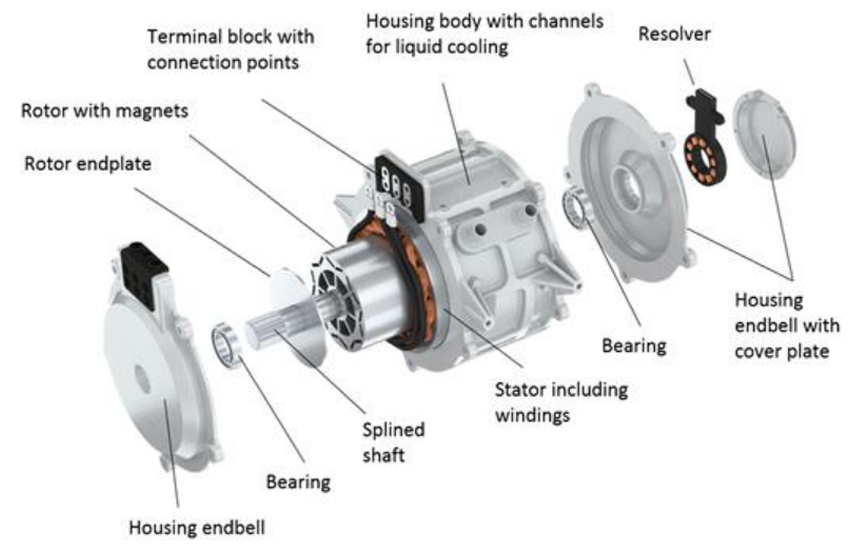
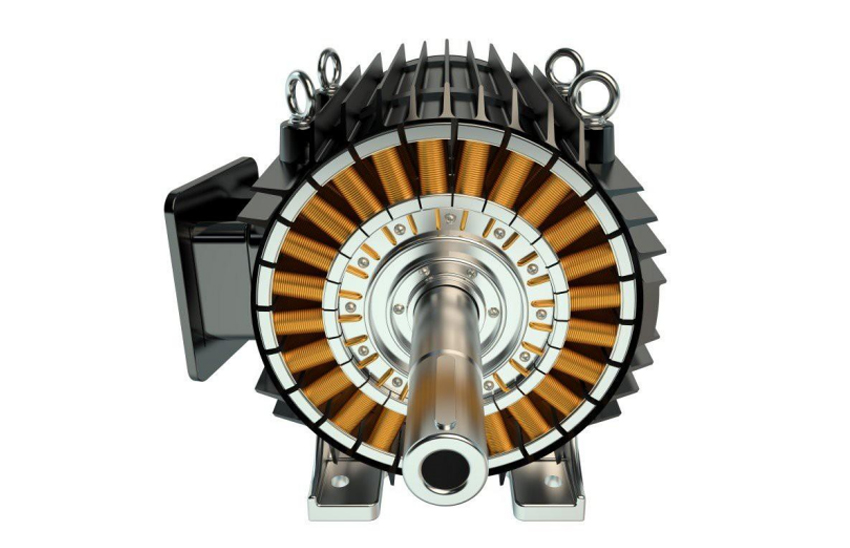
Permanent Magnet Synchronous Motors (PMSMs) used in EV applications generally adopt one of two rotor configurations:
Surface Permanent Magnet (SPM)
In SPM motors, magnets are bonded directly onto the outer surface of the rotor core.
Advantages include:
● Simple manufacturing
● High magnetic flux utilization
● Excellent low-speed efficiency
However, the magnets are directly exposed to centrifugal forces during operation.
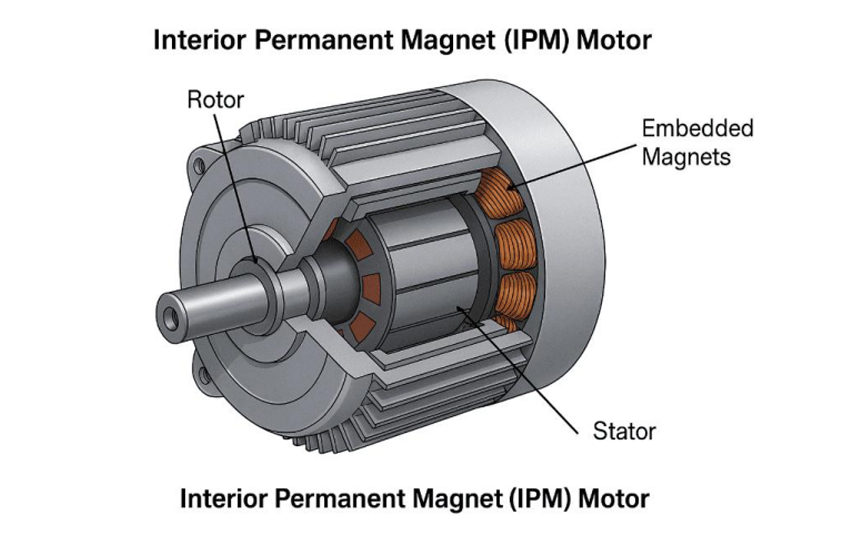
Interior Permanent Magnet (IPM)
In IPM motors, magnets are embedded within the rotor lamination.
Benefits include:
● Higher mechanical strength
● Better field weakening capability
● Higher operating speed
● Improved power density
For these reasons, IPM motors have become the dominant solution for modern passenger EV.
Although their structures differ, both technologies share the same challenge:
Magnets must remain securely fixed throughout the motor’s entire service life.
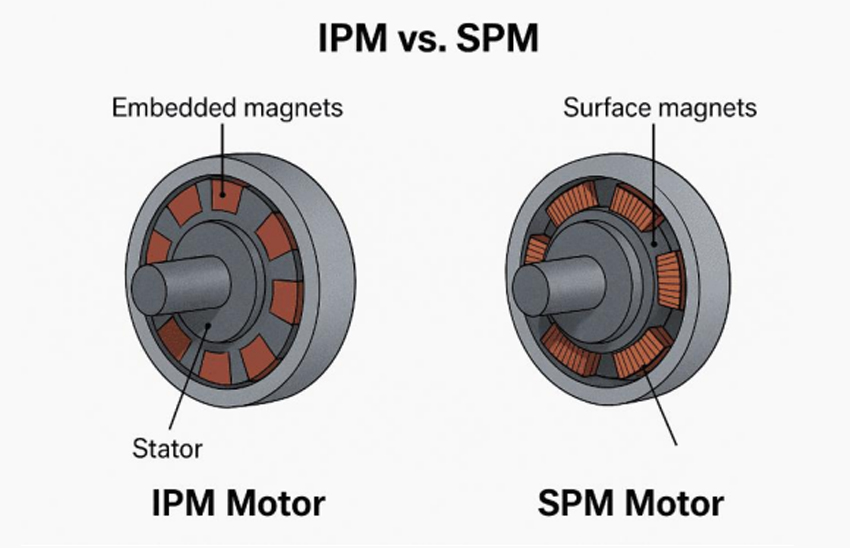
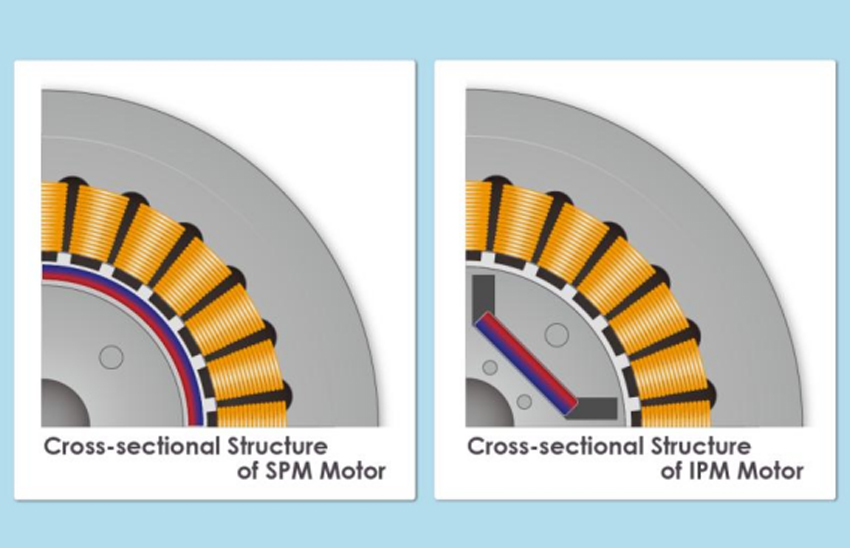
Feature | SPM | IPM |
Magnet Location | Surface Mounted | Embedded |
Manufacturing Complexity | Lower | Higher |
High-Speed Capability | Moderate | Excellent |
Typical EV Application | Limited | Mainstream |
Why Rotor Magnets Fail
The operating environment inside an EV motor is far more demanding than many people realize.
Modern traction motors routinely experience:
● Speeds exceeding 18,000–25,000 rpm
● Temperature cycles from -40°C to over 180°C
● Continuous vibration
● Mechanical shock
● Humidity and contamination exposure
Under these conditions, several failure mechanisms may occur.
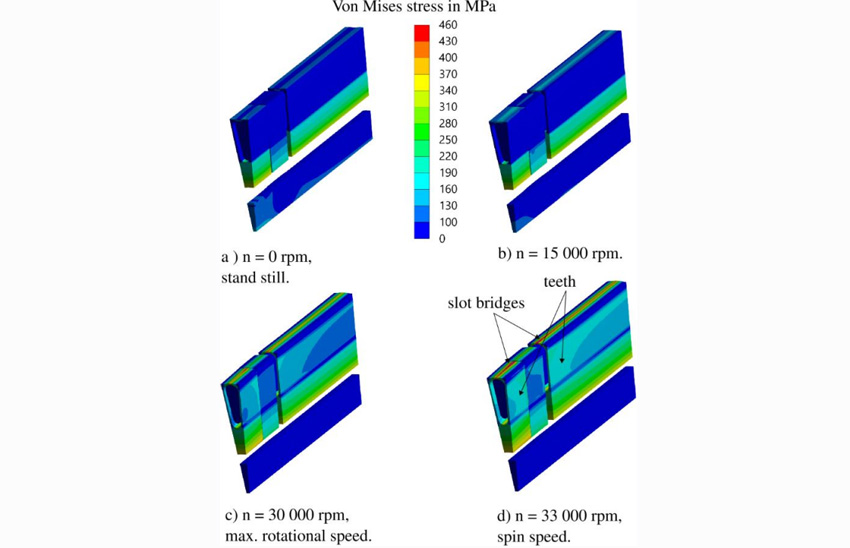
Centrifugal Force
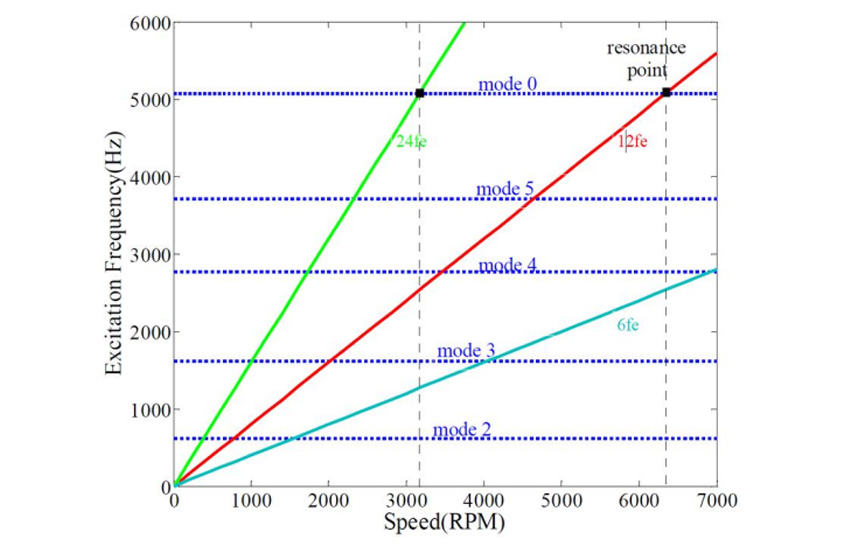
As rotational speed increases, centrifugal force rises dramatically.
Even a small permanent magnet can experience significant mechanical loading at high speed.
Thermal Expansion Mismatch
Permanent magnets and electrical steel laminations have different coefficients of thermal expansion.
Repeated heating and cooling cycles generate internal stress within the bonding layer.
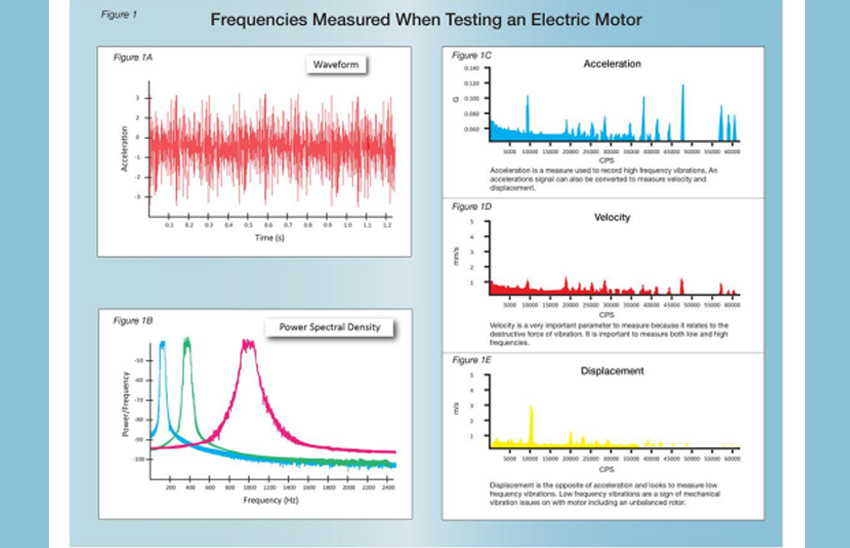
Vibration and Fatigue
Long-term vibration can gradually weaken adhesive interfaces and accelerate fatigue damage.
If not properly controlled, these factors may lead to:
● Magnet displacement
● Rotor imbalance
● Increased NVH
● Efficiency loss
● Premature motor failure
Why Precision Dispensing Matters
Many motor manufacturers focus on adhesive selection.
However, the performance of a bonding process is determined not only by the adhesive itself, but also by how accurately it is applied.
A high-performance adhesive cannot compensate for poor dispensing quality.
Several critical process parameters must be controlled:
Adhesive Volume
Excessive adhesive can create rotor imbalance.
Insufficient adhesive may reduce retention strength.
Adhesive Placement
The adhesive must be applied in the correct location to ensure optimal load distribution.
Mixing Ratio
For two-component materials, ratio accuracy directly affects curing performance and bond strength.
Process Consistency
Every rotor must receive the same amount of adhesive in the same pattern.
This consistency becomes increasingly important in high-volume EV production.
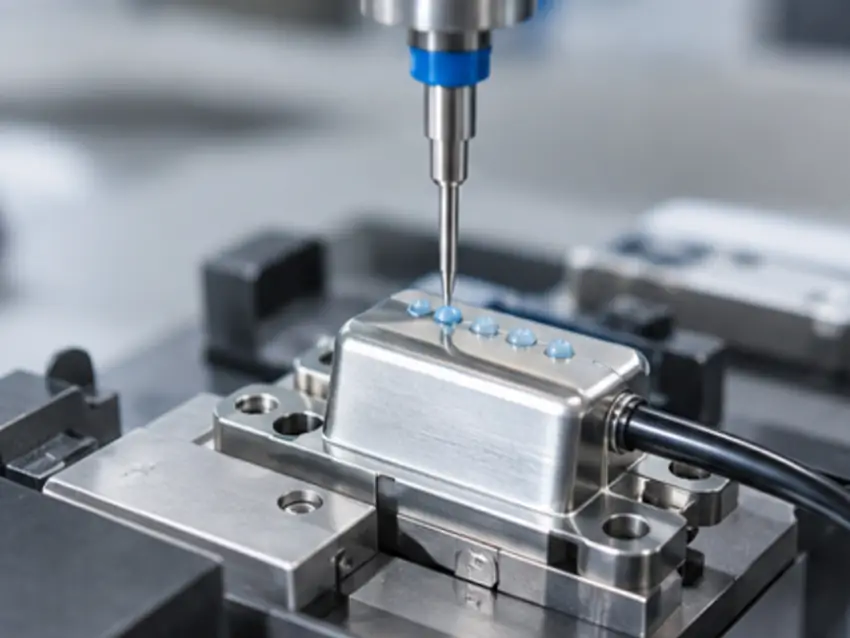
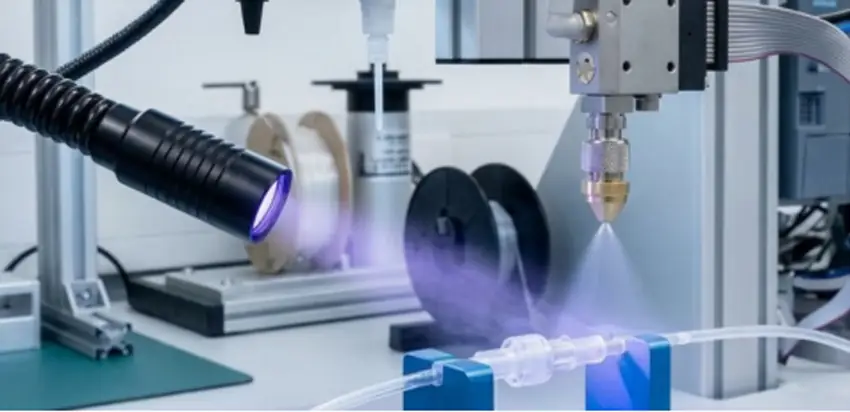
For these reasons, precision dispensing systems have become a fundamental part of modern motor manufacturing.
Critical Dispensing Technologies for Magnet Bonding
Several dispensing technologies are commonly used in EV motor production.
Single-Component Dispensing Systems
Suitable for pre-mixed structural adhesives.
Advantages:
● Simple operation
● Stable process control
● High repeatability
Meter-Mix Dispensing Systems
Widely used for two-component epoxy and polyurethane materials.
Benefits include:
● Accurate ratio control
● Consistent mixing quality
● Reduced operator dependency
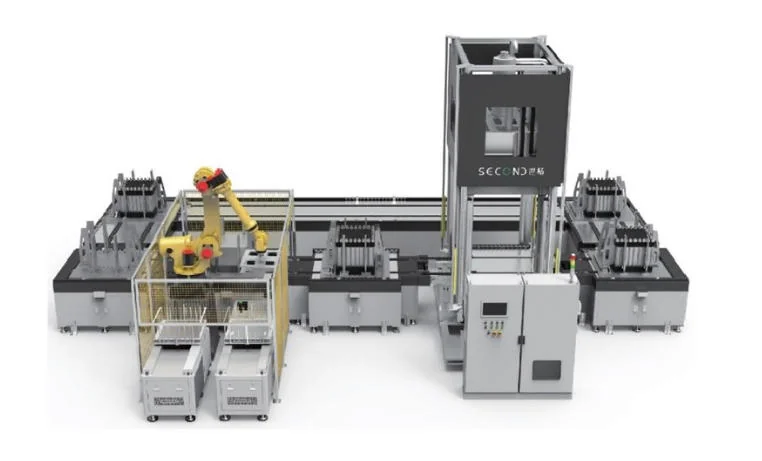
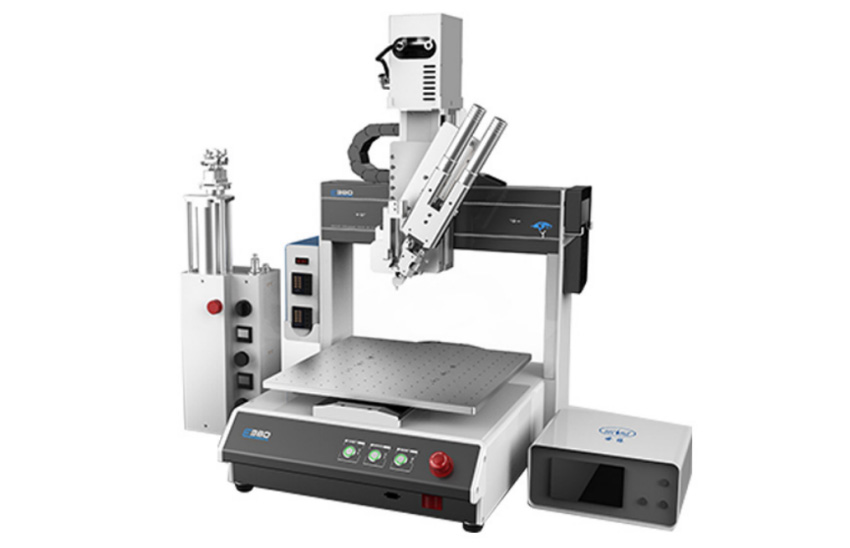
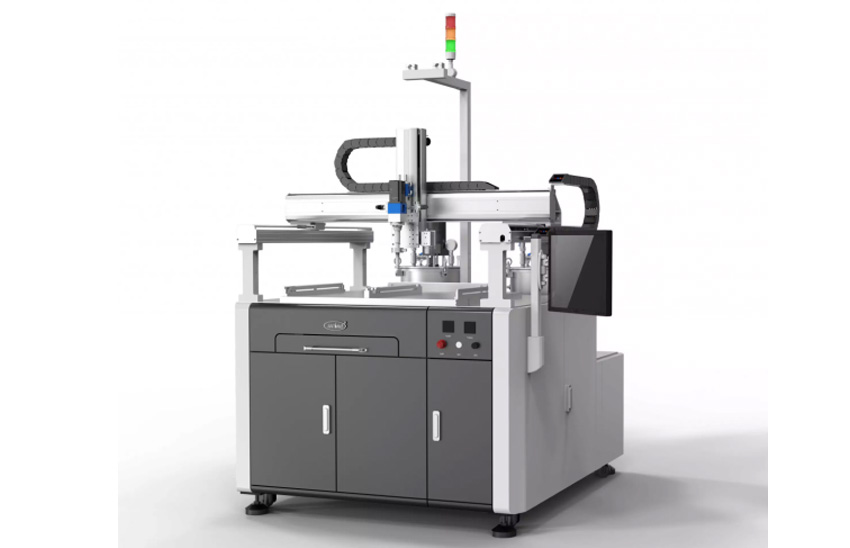
Robotic Dispensing Systems
Automated dispensing robots improve:
● Accuracy
● Repeatability
● Productivity
Vision-Guided Dispensing
Machine vision technology helps verify:
● Magnet position
● Adhesive path
● Process quality
Future Trends: From Mechanical Retention to Material Engineering
Historically, motor reliability depended primarily on mechanical design.
Today, the situation is changing.
As EV manufacturers pursue:
● Higher power density
● Faster motor speeds
● Lower NVH
● Longer service life
greater emphasis is being placed on:
● Advanced adhesives
● Precision dispensing
● Process traceability
● Material engineering
In the future, motor performance will increasingly depend not only on electromagnetic design, but also on how effectively magnets are bonded and retained throughout the manufacturing process.
For certain ultra-high-speed motors and aerospace applications, vacuum potting may be used as an additional reinforcement technology. However, for the majority of EV traction motors, precision magnet bonding remains the primary retention solution.
Conclusion
The success of an EV motor depends on far more than rotor design alone.
Whether using IPM or SPM architecture, long-term reliability ultimately depends on the ability to secure permanent magnets under demanding operating conditions.
Precision adhesive dispensing machine, accurate material control, and robust bonding processes have become critical manufacturing technologies that directly influence motor performance, durability, and customer satisfaction.
As motor speeds continue to increase and performance requirements become more demanding, magnet bonding is emerging as one of the hidden technologies behind next-generation EV motor reliability.