Introduction
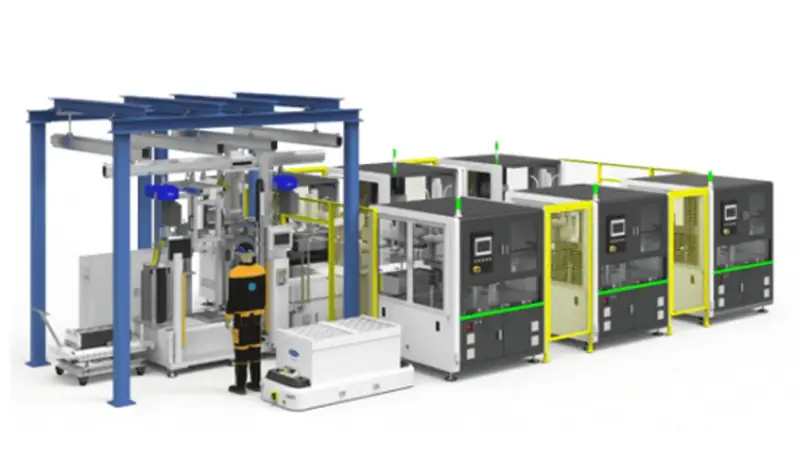
Reverse osmosis (RO) membrane technology has become the foundation of modern water purification. As demand for clean water continues to increase, manufacturers are under pressure to improve production efficiency while maintaining high product quality. Automated RO membrane manufacturing helps reduce labor costs, improve production consistency, and increase manufacturing capacity.
What is an RO Membrane?
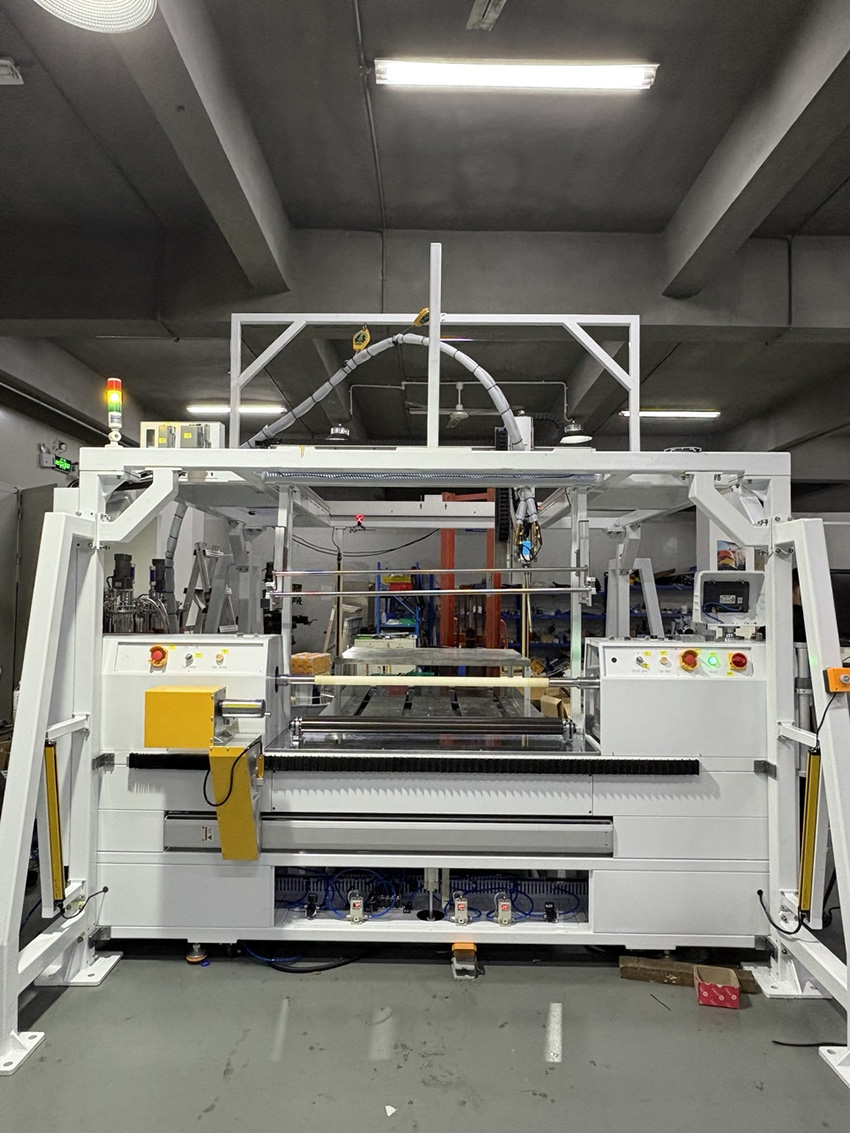
An RO membrane element is a spiral wound filtration component consisting of membrane sheets, feed spacers, permeate carriers, adhesives, and a center tube. The rolling quality directly affects filtration efficiency, pressure drop, salt rejection, and product lifetime.
Complete Manufacturing Process
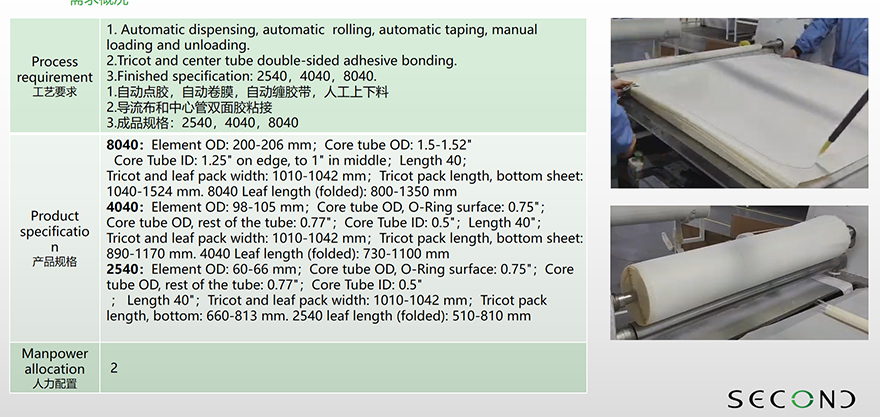
A typical production process includes material preparation, adhesive dispensing Reverse Osmosis Filter positioning, rolling, tape wrapping, curing, inspection, and packaging. Each process requires stable quality control to ensure consistent membrane performance.
Challenges of Traditional Manufacturing
Manual production often results in inconsistent adhesive application, unstable rolling tension, operator-dependent quality, higher labor costs, and reduced production efficiency. These challenges become increasingly significant as production volumes increase.
Advantages of Automation
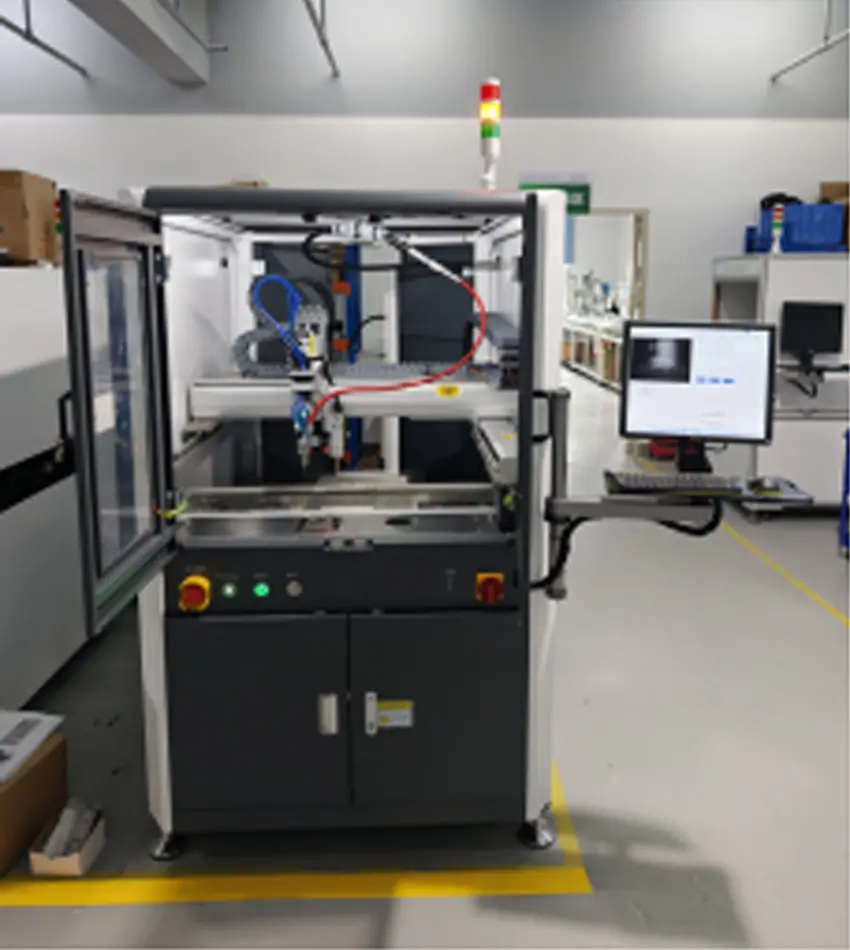
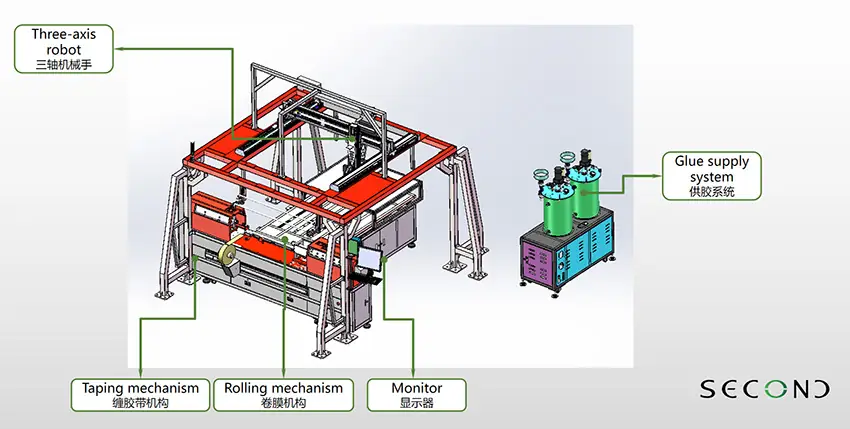
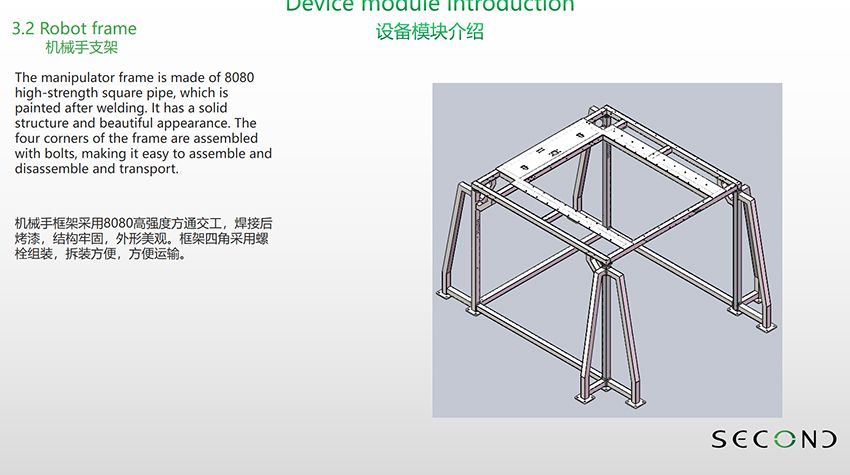
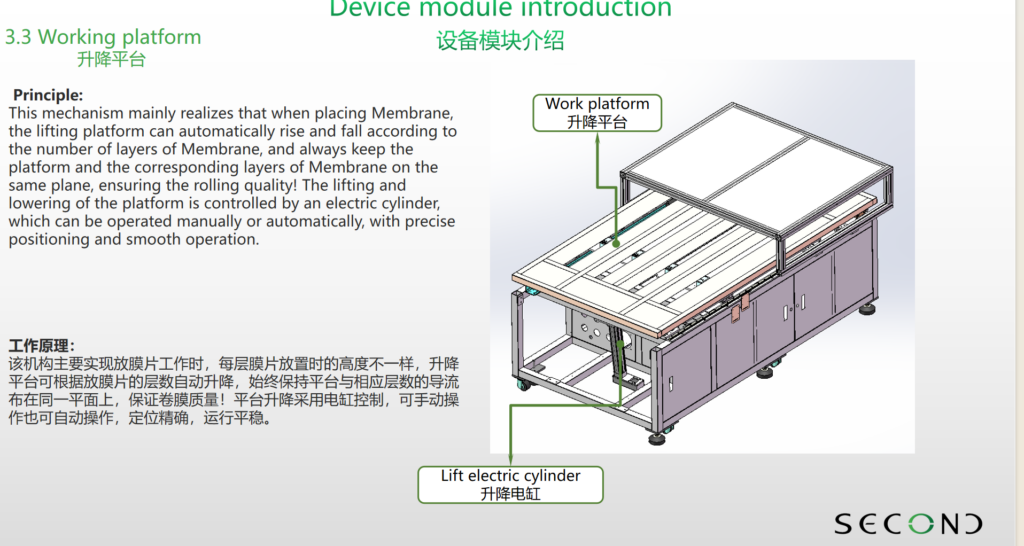
Automated production integrates precision dispensing, servo-controlled rolling, automatic tape wrapping, intelligent control systems, and quality monitoring. This improves repeatability, reduces waste, increases productivity, and supports standardized manufacturing.
Precision Dispensing
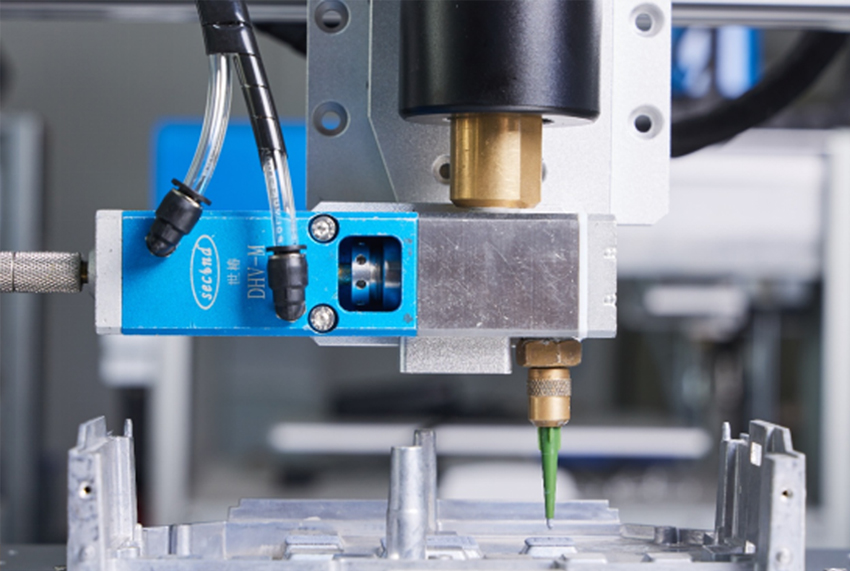
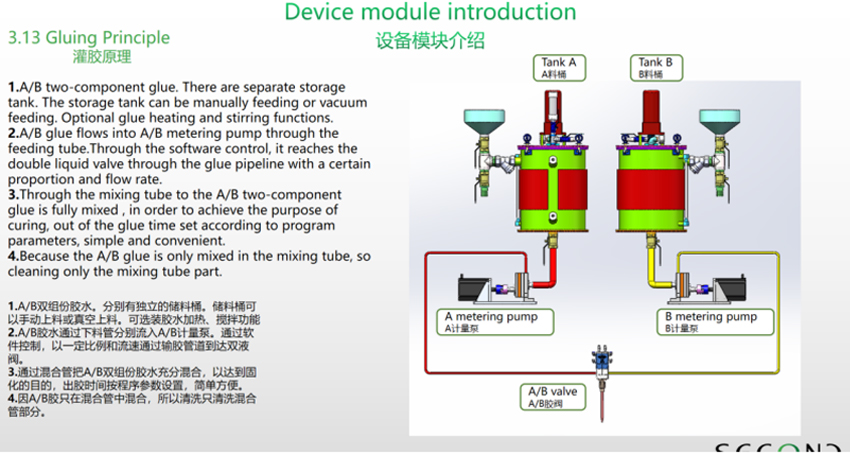
Accurate adhesive dispensing equipment is essential for producing high-quality membrane elements. Stable flow control and repeatable dispensing paths reduce adhesive consumption while improving bonding quality.
Vacuum Glue Feeding
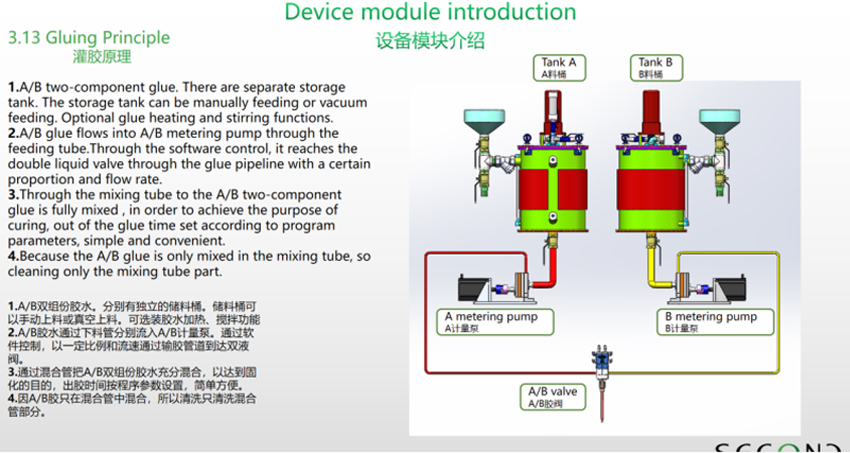
Vacuum glue feeding and degassing remove trapped air, stabilize adhesive properties, minimize contamination, and enable continuous production with less operator intervention.
Servo-controlled Rolling
Servo motion systems provide precise speed, torque, and positioning control. Stable rolling tension produces uniform membrane geometry and consistent manufacturing quality.
Automatic Tape Wrapping
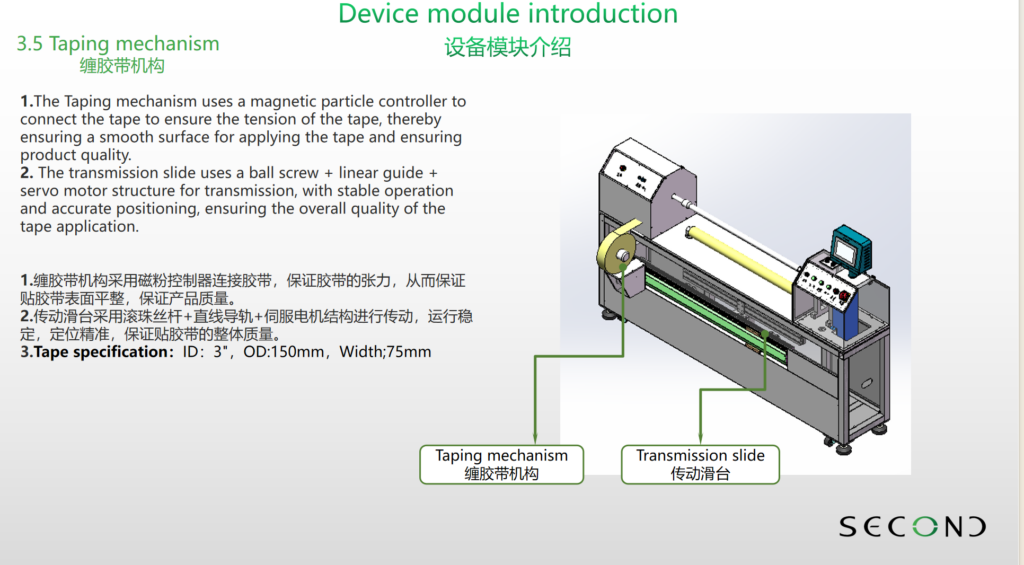
Automatic taping improves product appearance, maintains consistent tape tension, reduces manual labor, and increases manufacturing efficiency.
Quality Control
Modern production lines utilize PLC control, industrial PCs, sensors, alarms, recipe management, and digital production records to improve process stability and traceability.
How to Choose an RO Membrane Rolling Machine
Manufacturers should evaluate supported membrane sizes, dispensing technology, glue management, rolling accuracy, automation level, maintenance requirements, supplier experience, and after-sales support.
Future Trends
Industry 4.0, AI-assisted optimization, MES integration, predictive maintenance, and machine vision inspection are becoming standard technologies in advanced membrane manufacturing.
Frequently Asked Questions
Q: What membrane sizes are commonly produced?
A: 2540, 4040, and 8040.
Q: Why is dispensing accuracy important?
A: It directly influences bonding quality and membrane performance.
Q: Why use servo rolling?
A: It improves consistency and repeatability.
Q: Why use vacuum glue feeding?
A: It removes bubbles and stabilizes adhesive performance.
Q: Is automation suitable for mass production?
A: Yes. It significantly improves efficiency and long-term ROI.
Conclusion
Automated RO membrane manufacturing combines precision dispensing, intelligent glue management, servo-controlled rolling, automatic tape wrapping, and digital process control into one integrated solution. Manufacturers adopting automation can improve productivity, ensure consistent product quality, reduce manufacturing costs, and remain competitive in the rapidly growing global water treatment market.