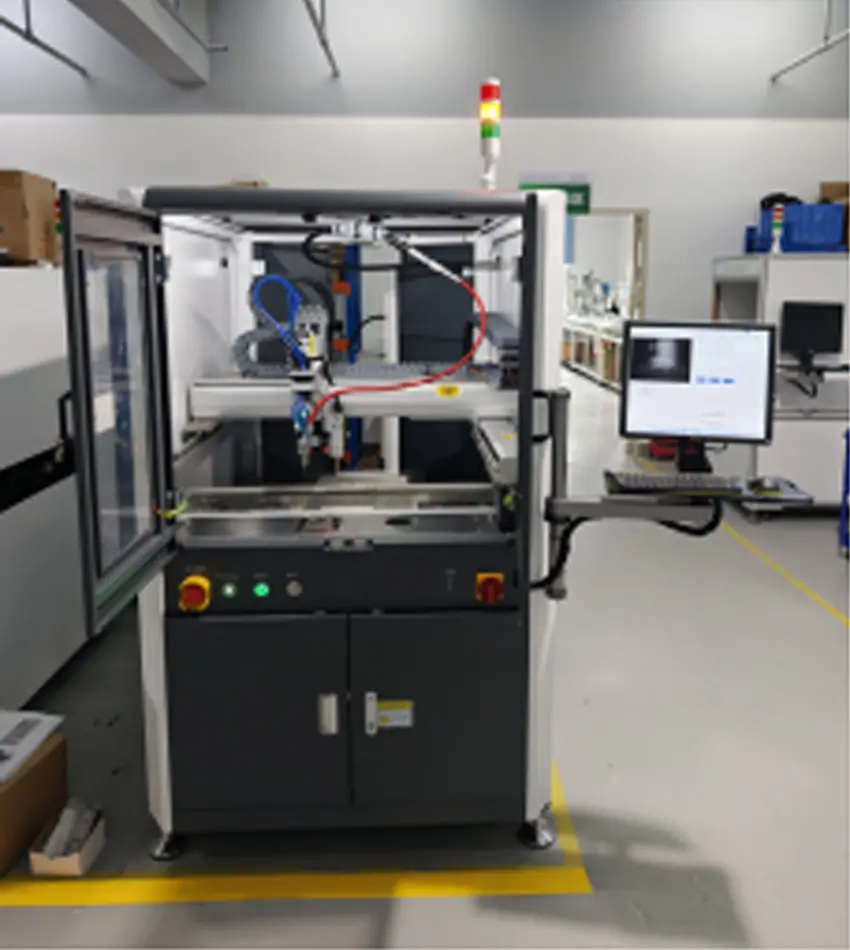
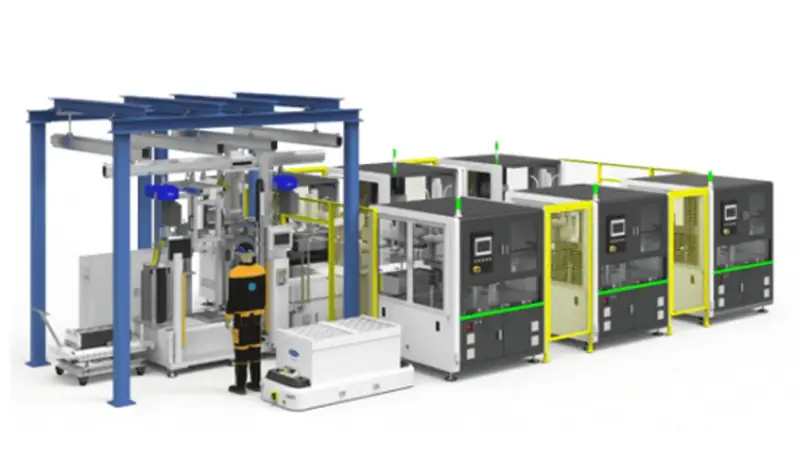
In the field of modern electronics, radar is hailed as the “eyes of a thousand miles” for electronic systems. Whether it’s automotive millimeter-wave radar, security monitoring radar, or phased-array radar in the aerospace field, their operating environments are often extremely harsh: high-frequency vibration, severe temperature differences, salt spray corrosion, and humidity constantly test the stability of their internal precision components.
Once protection fails, it can lead to signal distortion at best, and paralyze the entire radar system at worst. How can these delicate “hearts” continue to beat stably in harsh environments? The answer is—two-component potting technology.
Ι.The Pain Points of Radar Components: Why is Potting Necessary?
Radar products integrate a large number of high-frequency chips, inductors, capacitors, and BGA (Ball Grid Array) devices. Without protection, they face three major “invisible killers”:
1.Environmental Stress: Outdoor radars must withstand extreme temperature differences from -40℃ to 125℃. Ordinary air gaps can cause solder joints to fatigue and fracture due to thermal expansion and contraction.
2.Physical Shock: Vehicle-mounted radars are constantly exposed to high-frequency vibrations, which can cause displacement or pin breakage in unsecured components.
3.Chemical Corrosion: Moisture, salt spray, and mold can corrode PCB circuitry, leading to decreased insulation resistance and even short circuits.
While traditional conformal coating machine provide basic moisture protection, their thinness and weak resistance to physical shock make them unsuitable for handling high-intensity mechanical stress. Therefore, two-component potting has become an essential process in the manufacturing of high-end radar systems.
Ⅱ.Two-Component Encapsulation: More Than Just “Encapsulation,” It’s “Fusion” Two-component encapsulation is not simply “burying” components in adhesive; it’s a systematic protection solution integrating thermal conductivity, insulation, vibration resistance, and sealing.
1.Stable Structure: From “Point Contact” to “Surface Support” After being poured into the radar housing, the liquid two-component adhesive potting machine completely fills the tiny gaps between the components and the outer shell. Upon curing, it forms a flexible, dense solid, tightly coupling the previously independent capacitors, inductors, chips, and the outer shell into a unified whole. When vibration occurs, stress is evenly distributed throughout the adhesive layer, rather than concentrating on vulnerable solder joints. This “integrated armor” effect can increase the radar’s vibration resistance several times over.
2.Environmental Isolation: Creating “Vacuum-Level” Protection The fully filled adhesive layer has extremely low water vapor transmission rate (WVTR), effectively preventing humid gases, salt spray, and corrosive gases from contacting the circuitry. Even at high altitudes or in condensation environments, the colloid provides stable dielectric insulation, eliminating creepage and ensuring the purity of radar signals.
3.Thermal Management: Keeping High-Power Chips Cool As radar technology advances towards higher integration and power, heat dissipation becomes a critical bottleneck. Two-component potting compounds with high thermal conductivity (typically ranging from 0.6 W/(m·K) to above 3.0 W/(m·K)) can act as thermal bridges, rapidly transferring heat generated by the chip to the metal casing. Compared to natural air convection, this heat dissipation efficiency can be increased by tens of times, effectively preventing performance degradation caused by the “heat island effect.”
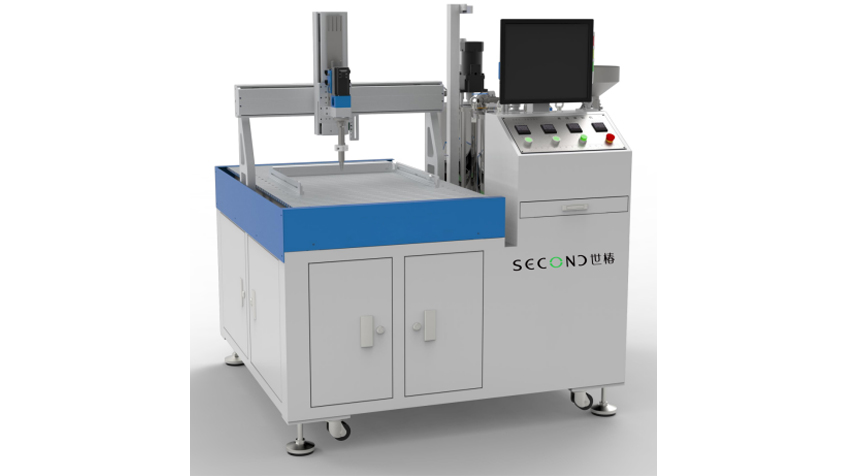
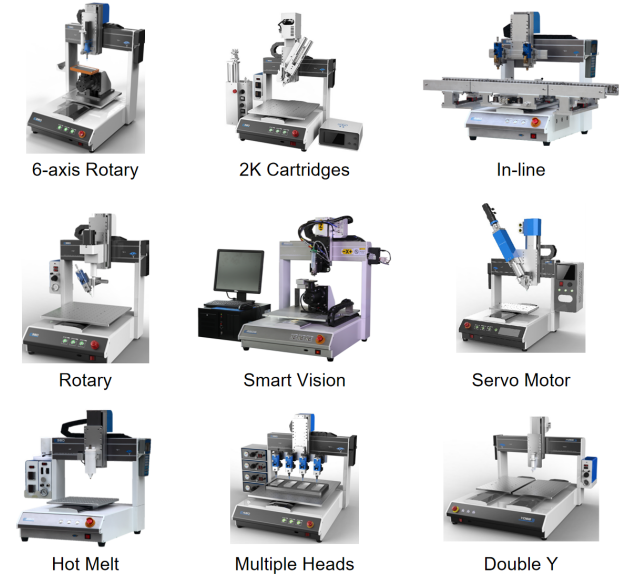
Automatic dual two-component potting machine SEC-S3030-C
● The unique motion controller of Second Intelligent, combined with advanced algorithms and high-precision three-axis manipulator, can realize three-dimensional high-speed and accurate motion
● By accurately controlling the metering motor, the precise proportion of two-component glue, automatic mixing and automatic quantitative glue are achieved
It has vacuum feeding and vacuum degassing, and can be equipped with heating, stirring, automatic cleaning, pressure monitoring and other functions to cope with various complex glue environments
● The operating system is stable, the operation interface is friendly, and the cost performance is high!
III. Choosing the Right Material: The “Golden Rule” of Two-Component Potting Compounds
Not all potting compounds are suitable for radar applications. The material system must be selected specifically based on the radar’s operating frequency, power, and environmental conditions:
● High-frequency radar (eg, 77GHz automotive millimeter-wave radar): Low dielectric constant (typically ≤3.5) and low dielectric loss polyurethane or silicone potting compounds must be used. High-dielectric materials absorb or reflect electromagnetic waves, drastically reducing radar detection range.
● High-power phased array radar: High thermal conductivity, low viscosity two-component epoxy resins are recommended. This ensures heat dissipation and allows for deep penetration into the dense BGA solder balls, preventing air bubbles.
● Military/security radar in extreme environments: Silicone potting compounds are preferred. They maintain excellent flexibility over a wide temperature range of -60℃ to 200℃, preventing the breakage of delicate gold wires due to the significant internal stress caused by thermal expansion and contraction.
Ⅳ.Process Upgrade: From “Manual Pouring” to “Intelligent Vacuum Potting”
To achieve “stable protection,” besides the material itself, the potting process is equally crucial. Modern radar manufacturing has fully implemented vacuum potting technology:
1.Vacuum Degassing: The adhesive is degassed under vacuum before mixing and pouring to eliminate micron-sized bubbles and prevent partial discharge under high voltage.
2.Precision Metering: The mixing ratio of components A and B is controlled with ±1% accuracy using a gear pump or plunger pump to ensure consistent hardness and chemical properties after curing.
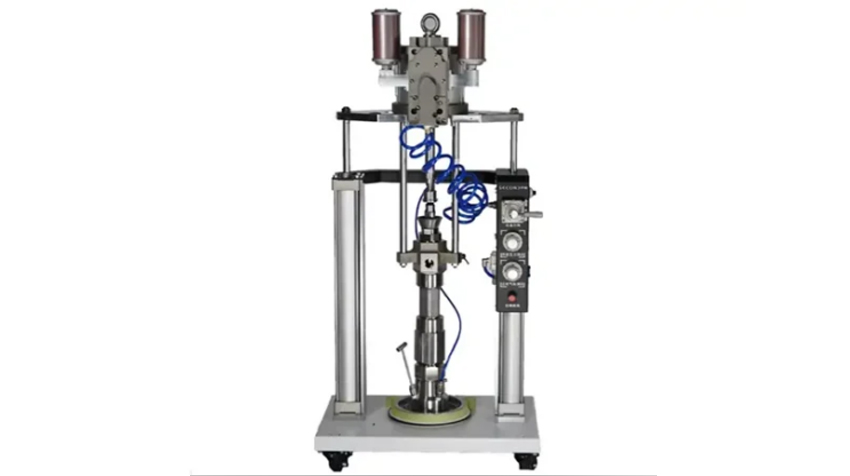
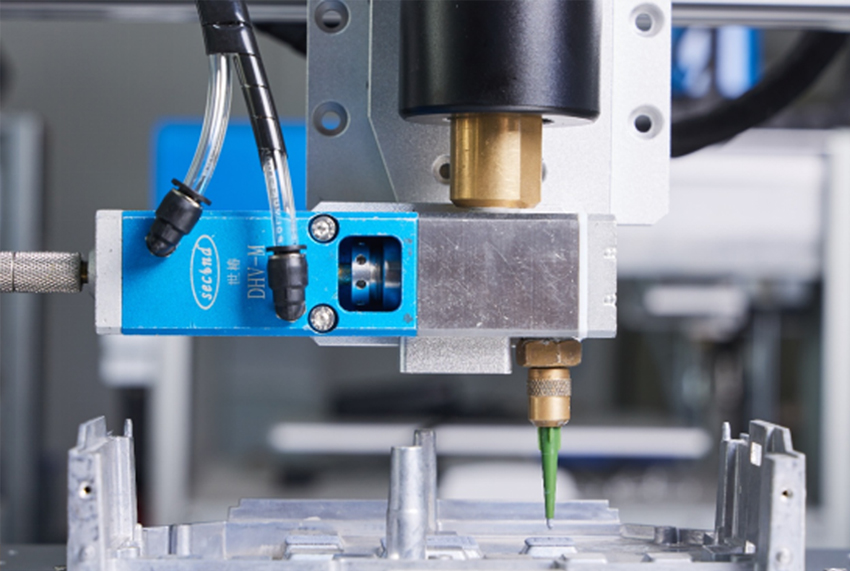
Platen Plunger Pump
3. Vacuum Pouring: Potting is completed in a vacuum environment, using pressure difference to penetrate the adhesive into every micron-sized gap, avoiding the formation of bubbles or voids.
Conclusion: Stability is the First Principle of Radar Reliability
Radar, as a core sensor for perceiving the world, relies on the silent support of underlying physical protection for every accurate detection. Two-component potting technology is precisely that “invisible guardian.”
It resists mechanical impact with its robust structural filling, combats environmental erosion with its strict chemical barrier, and ensures peak performance with its efficient heat conduction . The next time you see a radar still working steadily in heavy rain, turbulence, or extreme cold, remember—it is the two-component potting technology that builds an indestructible “three-dimensional protective wall” for these precision components.
Second Intelligent has played an important role in theresearch, development, manufacturing, pre-sales and after-sales services of fluid dispensing robot, potting and coating solutions which range from various types of automatic fluid dispensing, potting, two-component potting machines and coating machines with desktop, free-standing, inline or cobot combined systems, and widely used in global electrical, electronics, home appliances, automobile, telecom, pharmaceutical, automotive electronics, semiconductor, aerospace, LED and more.