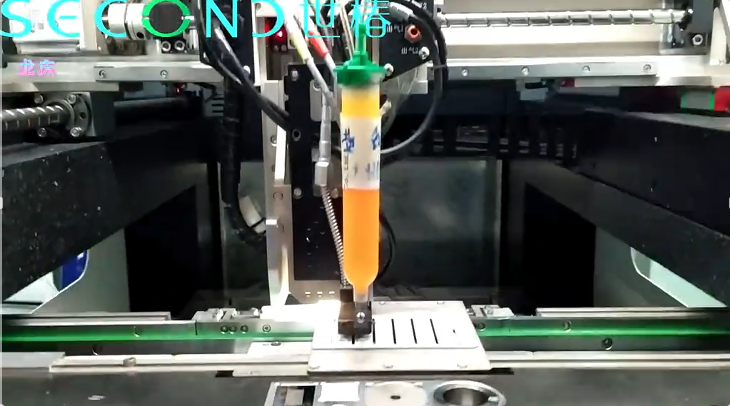
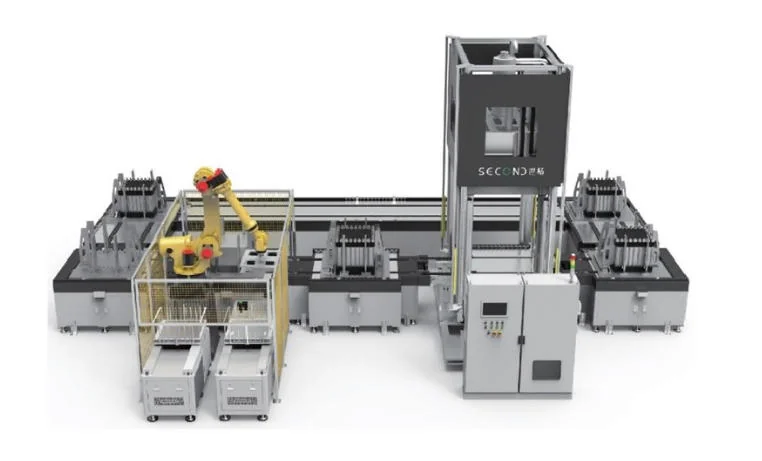
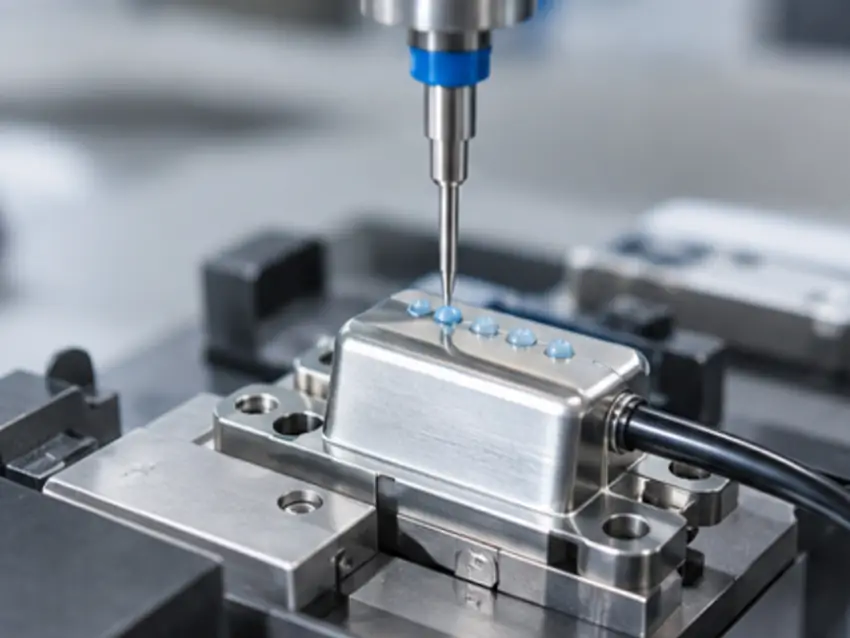
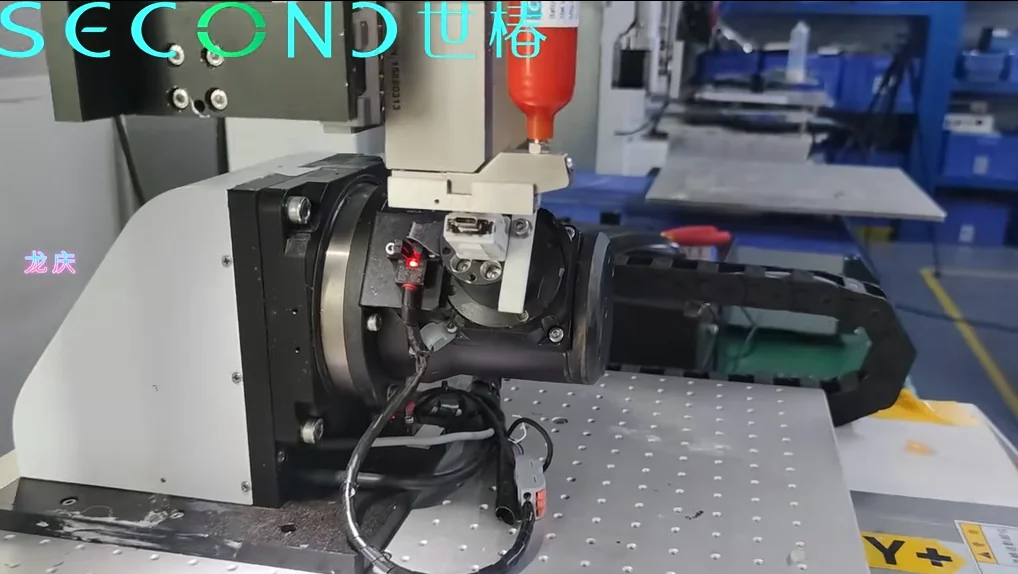
In the manufacture of food molds, the molds typically require good flexibility, dimensional stability, and surface replication capability. Two-component silicone potting machine is therefore employed in certain mold-making processes. Compared with manual weighing, mixing, and vacuum degassing, automated metering, mixing, and pouring can reduce human error and improve consistency among different molds.
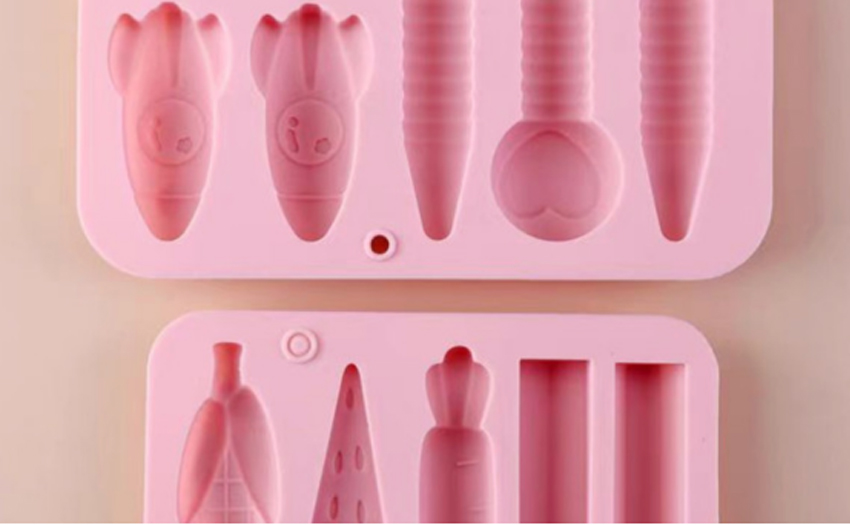
1. Material Characteristics
This material is a two-component addition-cure silicone. Components A and B undergo a curing reaction after mixing. Typical processes employ mixing ratios ranging from 1:1 to 1:10 by weight. Because the densities of the two components may differ, the equipment cannot simply meter equal volumes; instead, it must calibrate the weight ratio according to the actual material densities.
The mixed working viscosity is typically in the range of 3,000–30,000 mPa·s. The working time (pot life) is approximately 30–60 min at 23 °C, and room-temperature curing usually requires several hours. The material is temperature-sensitive; elevated temperatures may shorten the working time.

An important characteristic is that Component A contains mineral fillers and may settle during prolonged standing. Low-speed agitation is therefore normally required during material storage.
2. Production Method
The equipment primarily performs four sequential operations:
Storage → Vacuum degassing → Precise metering → Mixing and pouring
Components A and B must remain completely separate until they reach the mixing point. They are finally mixed through a disposable static mixer and then poured into open molds via a handheld gun nozzle.
This approach is particularly suitable for mold production that prioritizes high product consistency rather than maximum production speed.
3. Vacuum Degassing
Owing to the relatively high viscosity of silicone, air bubbles are readily introduced during manual mixing. If these bubbles enter the mold, they may form internal voids after curing, thereby affecting mold appearance, mechanical properties, and replication accuracy.
Consequently, a vacuum degassing function is provided at the storage stage to reduce the air content in the material before it enters the metering system.
Equipment design must simultaneously address:
· Material stability under vacuum;
· Degassing efficiency for high-viscosity materials;
· Changes in material level within the storage tanks;
· Filler settling;
· Ability to resume production after prolonged standby.
4. Metering and Mixing
For two-component materials, the mix ratio is one of the core process parameters. When the silicone is controlled by weight ratio, the equipment typically employs independent metering systems for Components A and B and applies volumetric compensation based on actual densities.
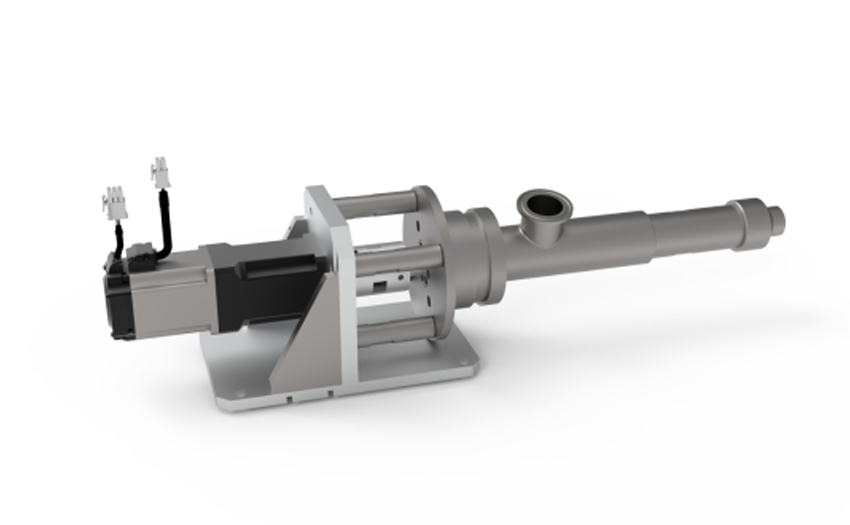
The required weight ratio ranges from 1:1 to 1:10, with ratio tolerance not exceeding ±2 % and shot-to-shot repeatability of ±1 % or better. This indicates that equipment evaluation focuses not merely on whether material can be dispensed, but on whether a stable metering relationship can be maintained during long-term operation.
For mold pouring, single-shot volumes are typically in the range of several hundred grams to several kilograms, and multiple molds can be filled continuously. The equipment must therefore balance metering accuracy, continuous feed capability, and mixing stability.
5. Equipment Structural Features
Such equipment usually comprises two independent storage systems, independent metering pumps, a vacuum degassing system, low-speed agitation mechanisms, independent delivery lines, and a static mixing gun.
Because silicone is susceptible to cure inhibition, materials of components that contact the silicone must be carefully selected. Suitable materials include stainless steel, hard-anodized aluminum, PTFE, UHMW-PE, PP, HDPE, PEEK, and certain compatible fluoroelastomers.
Materials containing sulfur, tin, amines, or other substances that may interfere with catalytic curing must be strictly avoided. Material compatibility is therefore not a secondary consideration in mechanical design; it directly determines whether the silicone can cure properly.
6. Production and Environmental Conditions
This process is normally carried out in a room-temperature workshop environment. Ambient temperature affects material viscosity, flowability, and working time. The recommended working environment is approximately 22–35 °C.
The equipment itself does not usually require active heating of the material. For certain silicones, additional heating may actually shorten the working time. Material temperature control should therefore be determined according to the technical data sheet of the specific product rather than simply aiming for easier dispensing through heating.
7. Process Validation
Before the equipment is put into production, mechanical operation must be verified and actual silicone must be used for metering, mixing, and curing tests.
Typical validation includes:
· Independent metering of Components A and B;
· Verification of mix ratio;
· Verification of shot-weight repeatability;
· Assessment of the cured state of the mixed material;
· Inspection of cured cross-sections for bubbles, soft spots, or uncured areas;
· Evaluation of production stability after short-term equipment downtime.
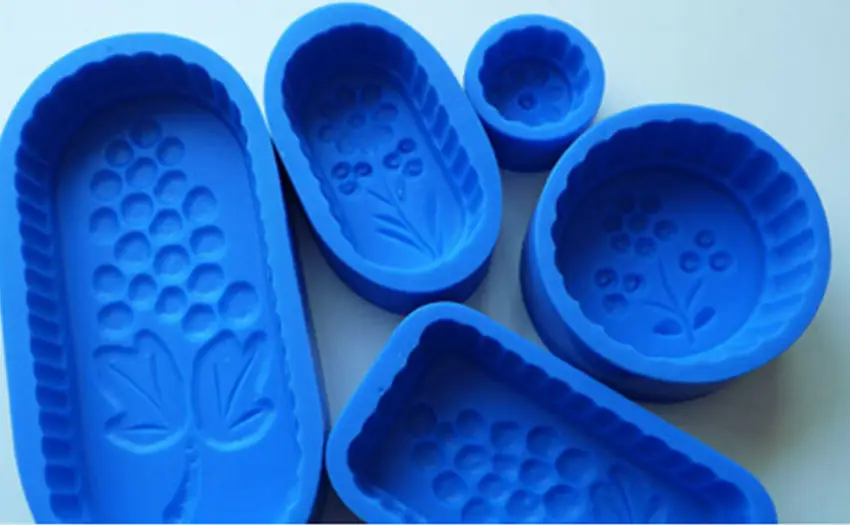
For this type of equipment, the critical validation is not a single “maximum dispense volume,” but whether a stable process window can be established among the material, equipment, metering, mixing, and curing.
8.Recommended Equipment
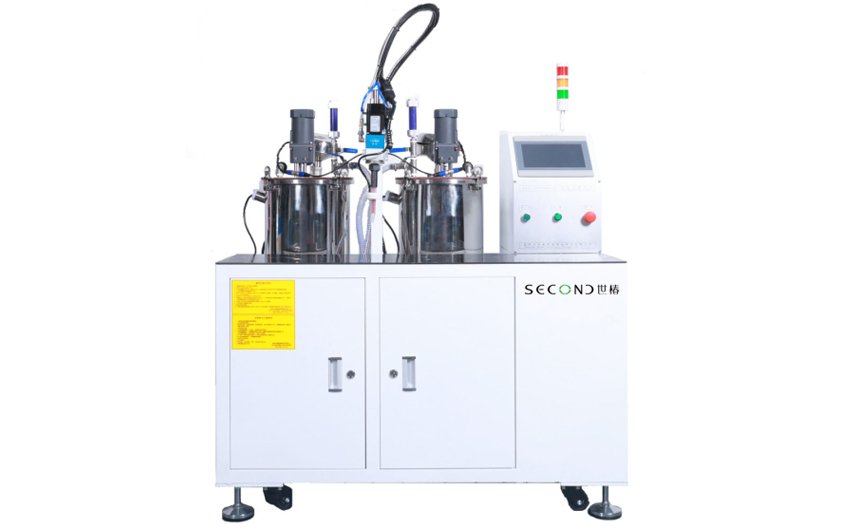
Shenzhen Second Intelligent possesses more than 21 years of experience in liquid applications and maintains a complete supply-chain capability covering research and development, manufacturing, and sales service for two-component precision mixing and dispensing equipment. Multiple patents have been filed. Its semi-automatic dispensing equipment features automatic mixing, manual dispense control, and various additional functions, enabling it to accurately meet the stringent production requirements of food molds.