Introduction
Nowadays, electric vehicles (EVs) are being increasingly adopted worldwide due to their advantages in energy efficiency, environmental sustainability, and carbon emission reduction. As EV technologies continue to evolve toward higher power density and higher voltage architectures, increasing attention is being paid to the reliability and safety of critical electrical components within battery systems.
Among these components, the Battery Disconnect Unit (BDU) is recognized as one of the most important high-voltage safety modules within an electric vehicle. Functions such as power distribution, circuit isolation, current monitoring, and fault protection are performed through this subsystem. Since BDUs are continuously subjected to electrical loading, thermal cycling, vibration, and environmental exposure throughout their service life, stringent requirements are imposed on insulation performance, structural integrity, and long-term reliability.
To meet these requirements, vacuum potting technology has been widely introduced into the manufacturing process of high-voltage electronic assemblies. Through the reduction of entrapped air and internal voids, improved insulation characteristics and enhanced environmental protection can be achieved.
Battery Disconnect Units in Electric Vehicle Battery Systems
A Battery Disconnect Unit is installed within the battery pack and serves as a critical interface between the high-voltage Battery dispensing and downstream electrical systems.
I.The primary functions of a BDU include:
1.High-voltage connection and disconnection
2.Over-current and short-circuit protection
3.Pre-charge management
4.Current sensing and monitoring
5.High-voltage power distribution
II.Typical BDU assemblies consist of:
1.High-voltage contactors
2.Fuses
3.Busbars
4.Current sensors
5.PCB control modules
6.Electrical connectors
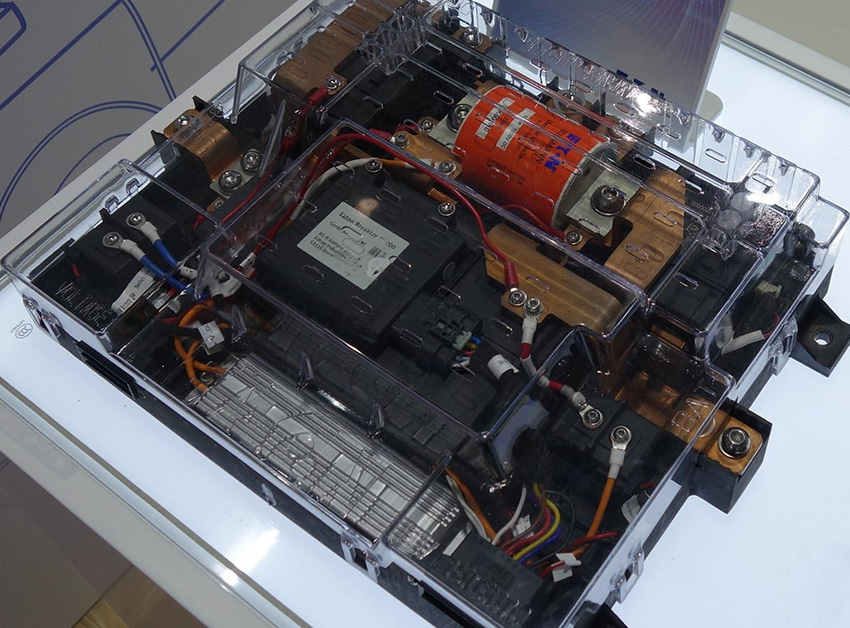
Figure 1. Typical Battery Disconnect Unit (BDU) architecture used in EV battery systems.
Reliability Challenges in BDU Manufacturing
I.Air Entrapment and Internal Voids
One of the most significant challenges associated with conventional potting processes is the formation of trapped air and internal voids within the encapsulation material.
Under high-voltage operating conditions, localized electric field concentration may occur around void regions. Over extended periods of operation, partial discharge phenomena may be initiated, leading to insulation degradation and reduced product reliability.
II.Moisture Ingress and Environmental Exposure
BDUs are frequently exposed to:
1.Humidity
2.Condensation
3.Water splash
4.Road contaminants
5.Temperature fluctuations
Effective environmental sealing is therefore considered essential.
III.Thermal Cycling Effects
Repeated thermal expansion and contraction may generate internal stress and increase the risk of material fatigue.
IV.Mechanical Vibration and Shock
Long-term vibration exposure may negatively affect interconnections and electronic assemblies if structural reinforcement is insufficient.
How Vacuum Potting Improves Reliability
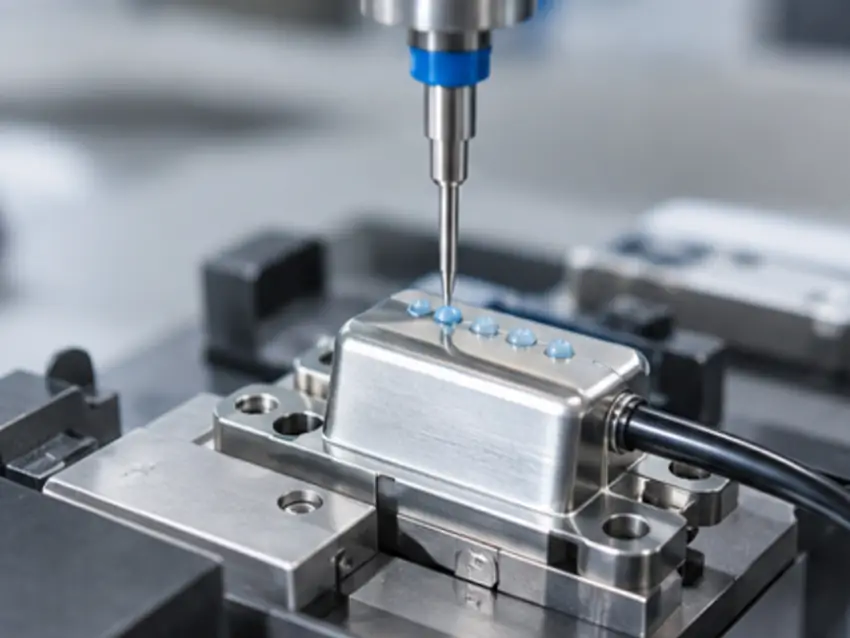
Vacuum potting is performed within a controlled vacuum environment.
Prior to resin dispensing, air is evacuated from the product cavity and surrounding spaces. Potting materials are then introduced under conditions that facilitate complete penetration into narrow gaps and complex geometries.
I.Reduction of Air Bubbles and Voids
The following improvements can be achieved:
1.Increased dielectric strength
2.Reduced partial discharge risk
3.Improved insulation reliability
4.Enhanced product consistency
II.Improved Environmental Protection
A continuous encapsulation barrier can be formed around sensitive components, improving resistance to moisture and contamination.
III.Enhanced Thermal Management
Improved contact between thermally conductive materials and heat-generating components allows more effective heat dissipation.
IV.Increased Structural Stability
Mechanical reinforcement can be achieved through complete encapsulation, improving resistance to vibration and shock.
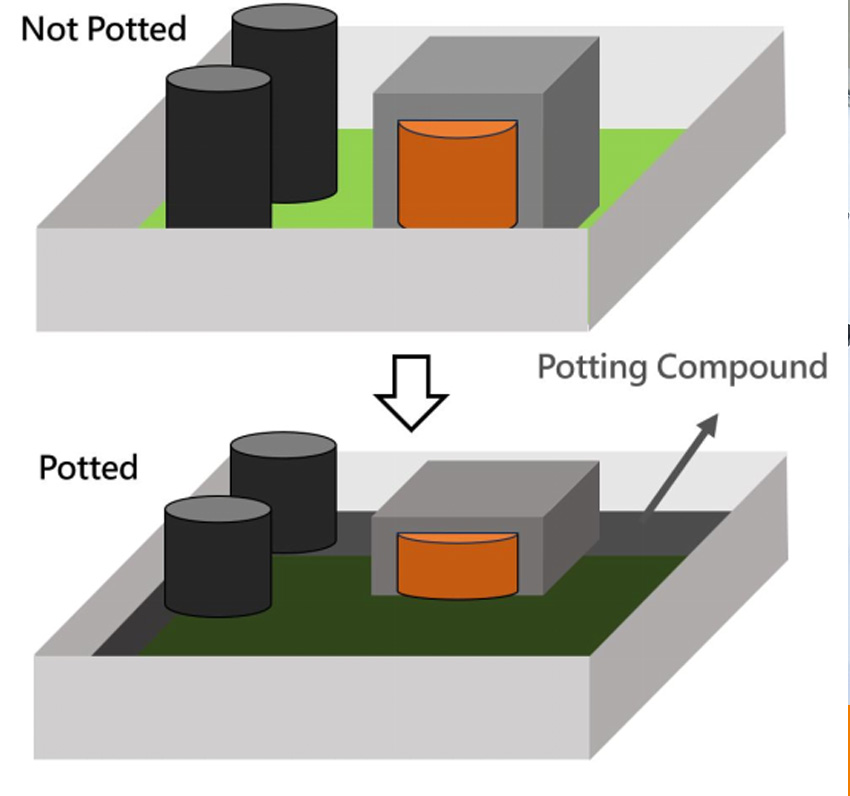
Figure 2. Vacuum potting minimizes internal voids and air bubbles compared with conventional potting processes.
Process Considerations for Reliable BDU Vacuum Potting
I.Void Control as a Critical Quality Requirement
For high-voltage BDU applications, internal void content is generally regarded as one of the most important quality indicators.
Vacuum dispensing and vacuum encapsulation technologies are frequently adopted to facilitate the removal of entrapped air from both the potting material and the product cavity.
II.Material Degassing Prior to Dispensing
Vacuum degassing is often applied before dispensing to reduce dissolved gases and improve material homogeneity.
III.Thermal Conductivity Considerations
Thermally conductive epoxy and silicone materials are frequently selected for BDU encapsulation to improve heat transfer performance.
IV.Surface Preparation and Material Wetting
Cleaning and surface preparation procedures are commonly incorporated into the manufacturing process to promote adhesion and ensure uniform resin distribution.
V.Controlled Curing Profiles
Temperature-controlled curing ovens are frequently utilized to optimize material properties and reduce internal stress.
Automated Vacuum Potting Production for BDU Manufacturing
As EV production volumes continue to increase, higher levels of manufacturing automation are being adopted throughout the industry.
To achieve stable product quality and production efficiency, automated vacuum potting production lines are increasingly being implemented for BDU manufacturing.
Benefits include:
1.Improved production consistency
2.Reduced labor dependency
3.Continuous production capability
4.Enhanced process traceability
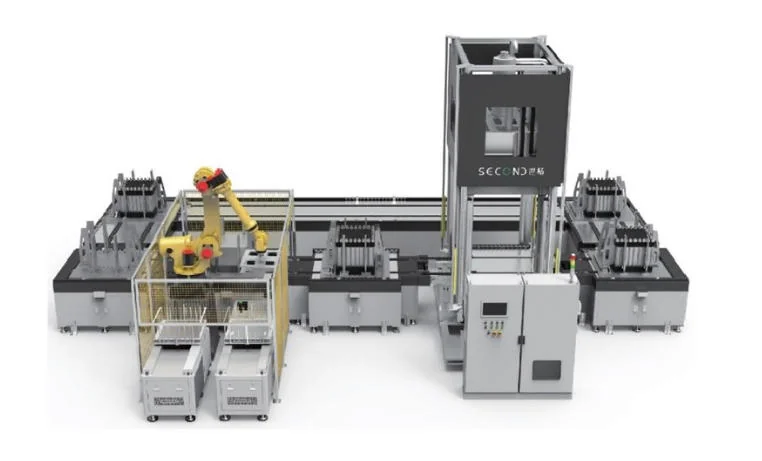
Typical Automated Vacuum Potting Line Configuration for EV BDU Production
A typical automated vacuum dispensing system may be configured as follows:
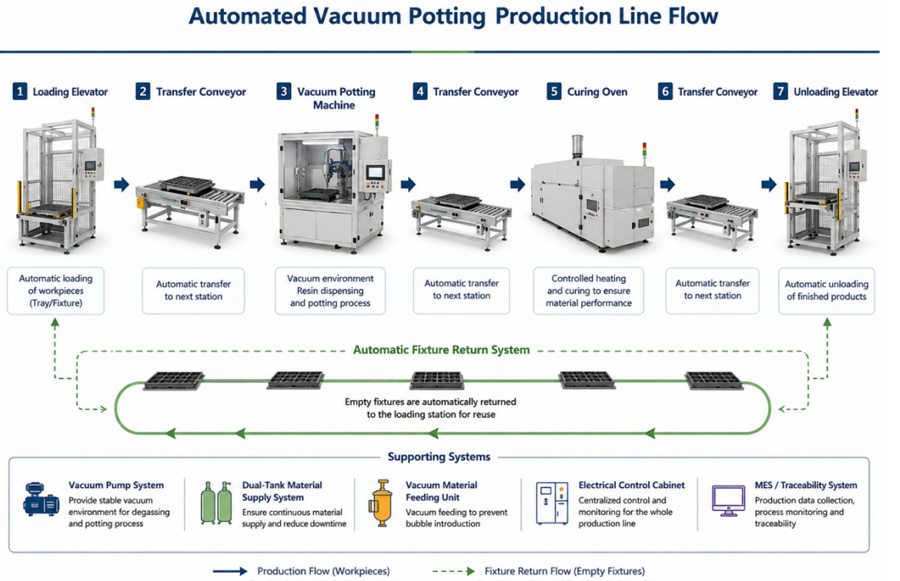
I.Production Line Components
1.Loading Elevator
Automatic loading and buffering of workpieces.
2.Transfer Conveyors
Automatic transportation between process stations.
3.Vacuum Potting Machine
Core process station responsible for vacuum encapsulation and resin dispensing.
4.Curing Oven
Controlled thermal curing of encapsulation materials.
5.Unloading Elevator
Automatic unloading and collection of finished products.
6.Automatic Fixture Return System
Closed-loop fixture circulation for continuous production.
II.Auxiliary Systems
1.Vacuum Pump System
Provides a stable vacuum environment for void reduction.
2. Dual-Tank Material Supply System
Ensures uninterrupted material supply during production.
3.Vacuum Material Feeding Unit
Minimizes contamination and air introduction during material transfer.
4.Independent Electrical Control Cabinet
Provides centralized control and process monitoring.
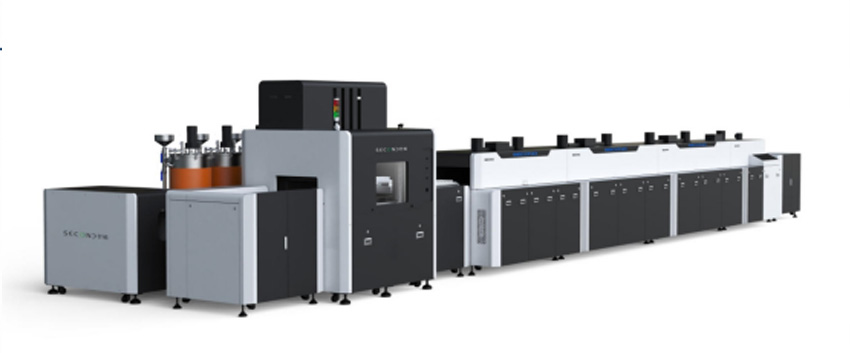
Figure 3. Typical automated vacuum potting production line consisting of loading, dispensing, curing, unloading, and fixture return systems.
Application Experience in EV Battery Electronics
I.Vacuum potting technologies have been widely adopted in:
1.Battery Disconnect Units (BDU)
2.Battery Management Systems (BMS)
3.On-Board Chargers (OBC)
4.DC-DC Converters
5.Power Distribution Units (PDU)
6.Battery Junction Boxes
7.High-voltage sensing modules
II.Production configurations can be adapted according to:
1.Product dimensions
2.Resin characteristics
3.Dispensing volume
4.Curing requirements
5.Production capacity targets
Future Trends in High-Voltage EV Electronics Manufacturing
With the continued development of 800V and higher-voltage vehicle architectures, increasing emphasis is being placed on:
1.Insulation reliability
2.Thermal management
3.Automated production
4.Process traceability
5.Smart factory integration
Under these conditions, vacuum potting is expected to become an increasingly important process for high-voltage battery system manufacturing.
Frequently Asked Questions (FAQ)
1.Why is vacuum potting preferred for EV Battery Disconnect Units?
Vacuum potting significantly reduces air bubbles and internal voids, improving insulation reliability and reducing partial discharge risk.
2.What materials are commonly used for BDU potting?
Epoxy resin, polyurethane, and silicone-based compounds are commonly utilized depending on insulation and thermal requirements.
3.Is vacuum potting necessary for 800V EV platforms?
As operating voltages increase, insulation quality becomes increasingly critical. Vacuum potting helps improve dielectric performance and long-term reliability.
4.How does vacuum potting improve thermal management?
Thermally conductive materials can establish more effective heat transfer paths when complete material contact is achieved.
5.What production advantages can be achieved through automated vacuum potting lines?
Improved consistency, higher efficiency, reduced labor requirements, and enhanced traceability can be achieved.
6.What auxiliary systems are typically required?
Typical systems include vacuum pumps, dual-tank supply systems, curing ovens, vacuum feeding units, and automatic fixture return conveyors.
7.Which EV components are suitable for vacuum potting?
BDU, BMS, OBC, DC-DC Converter, PDU, Battery Junction Box, and high-voltage sensing modules.
8.Can a vacuum potting line be customized?
Yes. Production configurations can be customized according to product specifications, resin characteristics, throughput requirements, and factory layouts.
Key Takeaways
1.BDU is a critical safety component in EV battery systems.
2.Vacuum potting significantly reduces void formation.
3.Improved insulation reliability can be achieved.
4.Moisture protection and thermal management can be enhanced.
5.Automated production lines improve consistency and efficiency.
6.Dual-tank material supply systems and automatic fixture return systems support continuous production.
7.Vacuum potting is becoming increasingly important for 800V EV platforms.
About Second Intelligent Equipment
Specialized automation solutions for dispensing, potting, and fluid handling applications are continuously being developed to meet the evolving requirements of the electronics, automotive electronics, energy storage, and EV battery industries.
Customized vacuum potting production lines can be configured according to specific product structures, resin characteristics, curing requirements, and production capacity targets. Integrated solutions may include vacuum potting systems, automated conveying equipment, curing ovens, dual-material supply systems, vacuum feeding units, and automatic fixture return systems.
Technical consultation and process evaluation support can be provided for applications involving Battery Disconnect Units (BDU), Battery Management Systems (BMS), On-Board Chargers (OBC), DC-DC Converters, and other EV battery system components.