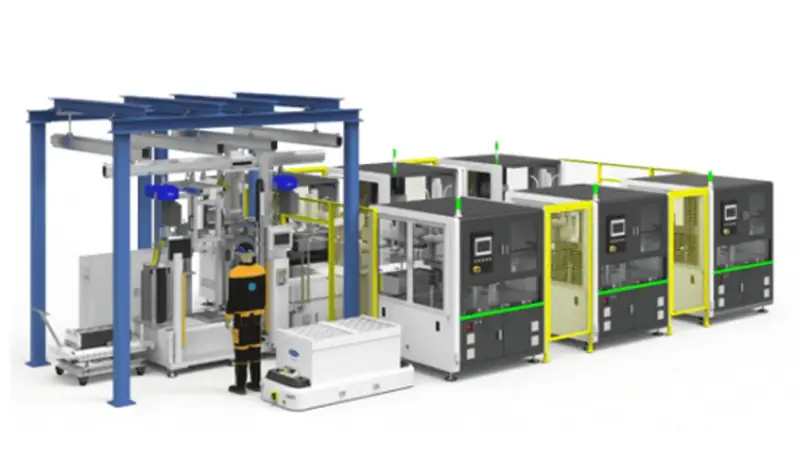
A Practical Engineering Guide to Reliability, Failure Prevention and Process Optimization
Introduction
Power electronics are advancing rapidly. In electric vehicles, renewable energy systems, industrial automation, rail transportation, and energy storage, modern power converters must deliver higher efficiency, greater power density, and longer service life under demanding conditions.
At the heart of these systems lies the IGBT (Insulated Gate Bipolar Transistor) power module, which converts and controls large amounts of electrical energy. As voltages rise from 400V to 800V platforms, switching frequencies increase, and thermal loads intensify, module reliability has become as critical as the semiconductor chips themselves.
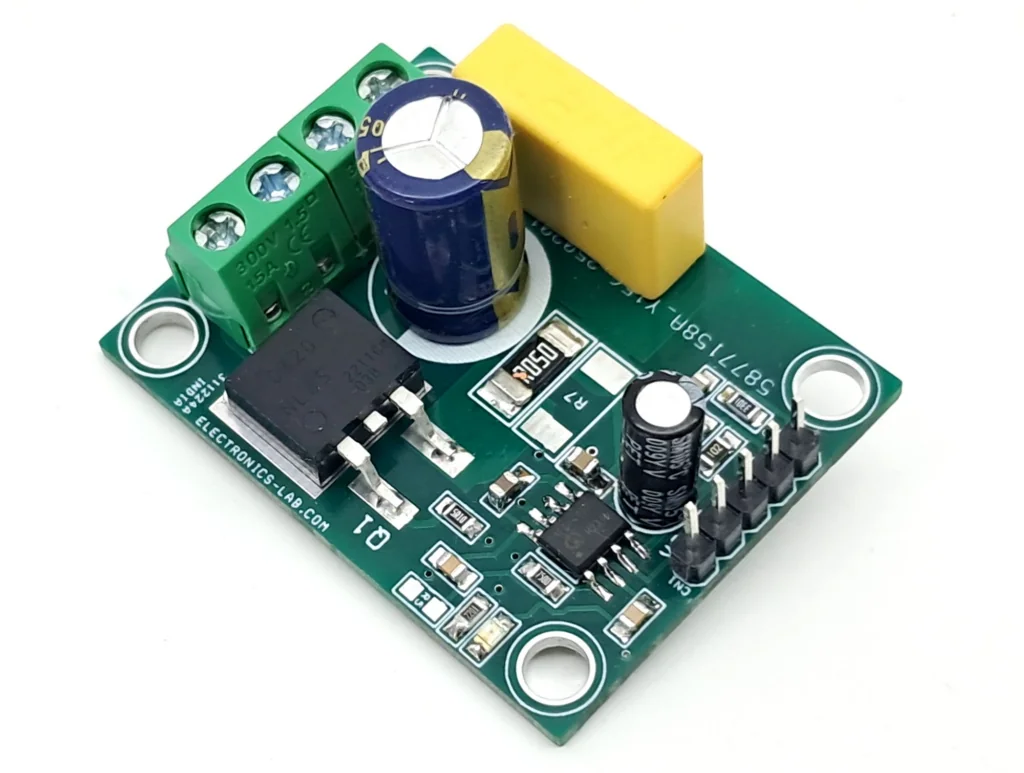
While chip technology, switching performance, and thermal design receive much attention, the packaging process is often overlooked. An advanced IGBT chip can only perform as well as the package protecting it. Internal voids, moisture ingress, insufficient insulation, or mechanical fatigue can shorten the life of even high-performance modules. Thus, packaging technologies have become a key differentiator.
Among these, vacuum potting has emerged as one of the most effective methods for enhancing long-term reliability. It creates a stable protective environment that improves electrical insulation, reduces mechanical stress, enhances thermal stability, and minimizes premature failure risks.
This article explains why vacuum potting is essential for modern IGBT power dispensing machine, how it boosts reliability, and which process factors most impact quality.
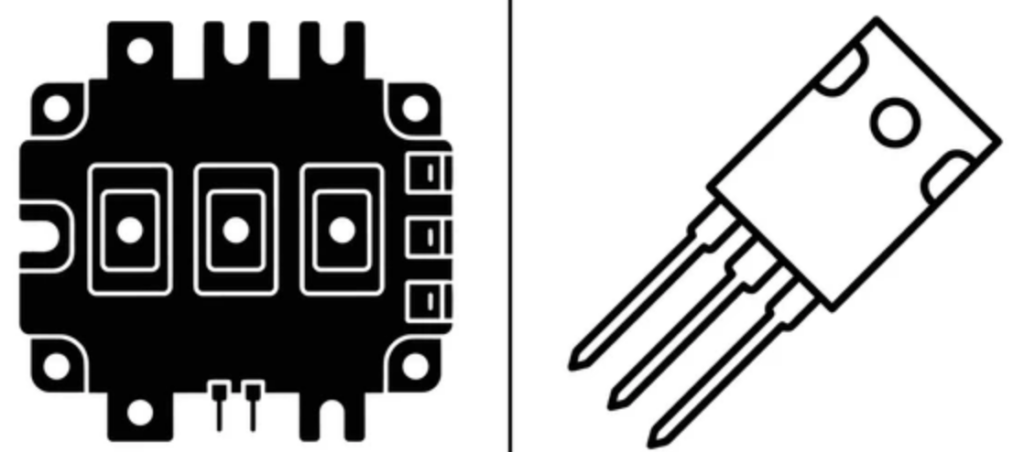
Understanding the Structure of an IGBT Power Module
To appreciate vacuum potting’s importance, consider the internal structure of a typical IGBT module.
Unlike standard electronics, an IGBT module integrates semiconductor devices, ceramic substrates, metallic conductors, and polymers in a compact package. These materials face continuous electrical, thermal, and mechanical stresses, making packaging reliability vital.
Key components include:
● IGBT chips for high-speed switching and power conversion.
● Freewheel diodes for current paths during switching.
● Bond wires connecting chips to terminals.
● DBC (Direct Bonded Copper) substrates for insulation and heat transfer.
● Baseplates for thermal distribution to cooling systems.
● Silicone gel or potting material to protect against environmental and mechanical damage.
These materials have differing thermal expansion rates. Power cycling creates microscopic stresses that accumulate over millions of cycles, leading to fatigue if unmanaged. Vacuum potting plays a crucial role in mitigating this.
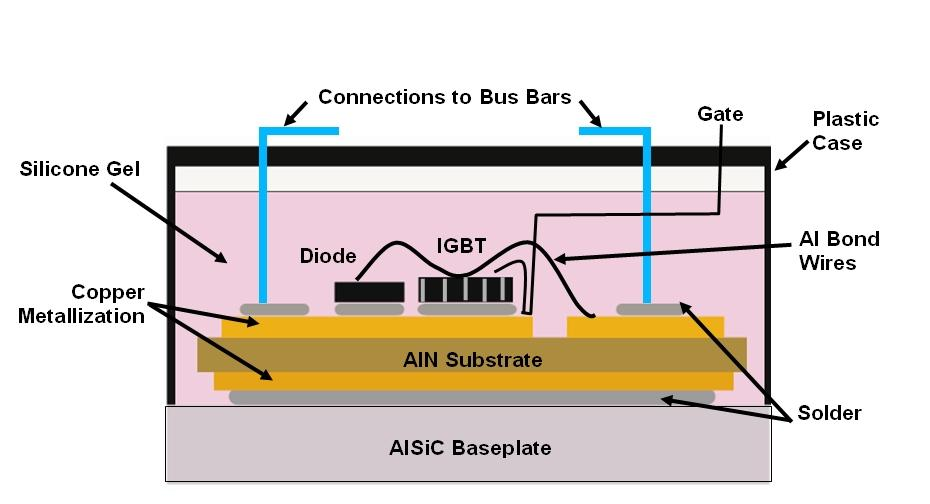
Figure 1. Typical internal structure of an IGBT power module. Silicone gel surrounds critical components, protecting bond wires, chips, and substrates.
Where Does Reliability Really Come From?
IGBT reliability discussions often center on chip characteristics like switching speed or junction temperature. However, field failures frequently stem from the packaging system rather than the silicon.
IGBT modules endure repeated thermal cycling, high voltages, and vibration. Thermal cycling is a major challenge: junction temperatures may exceed 150°C repeatedly, causing differential expansion and microscopic movement. Over time, this leads to bond wire lift-off, solder degradation, and substrate cracking.
Partial discharge is another concern. Higher voltages concentrate electric fields in tiny air gaps, initiating discharges that degrade insulation over time.
Moisture ingress further reduces insulation resistance, promotes corrosion, and accelerates degradation. These issues highlight why packaging is now a core element of IGBT design.
Why Vacuum Potting Makes the Difference
Vacuum potting addresses multiple failure mechanisms simultaneously, unlike conventional encapsulation.
It removes trapped air before filling, eliminating internal voids in narrow cavities around bond wires, chips, and substrates. This produces a homogeneous structure, improving electrical insulation and reducing localized thermal resistance.
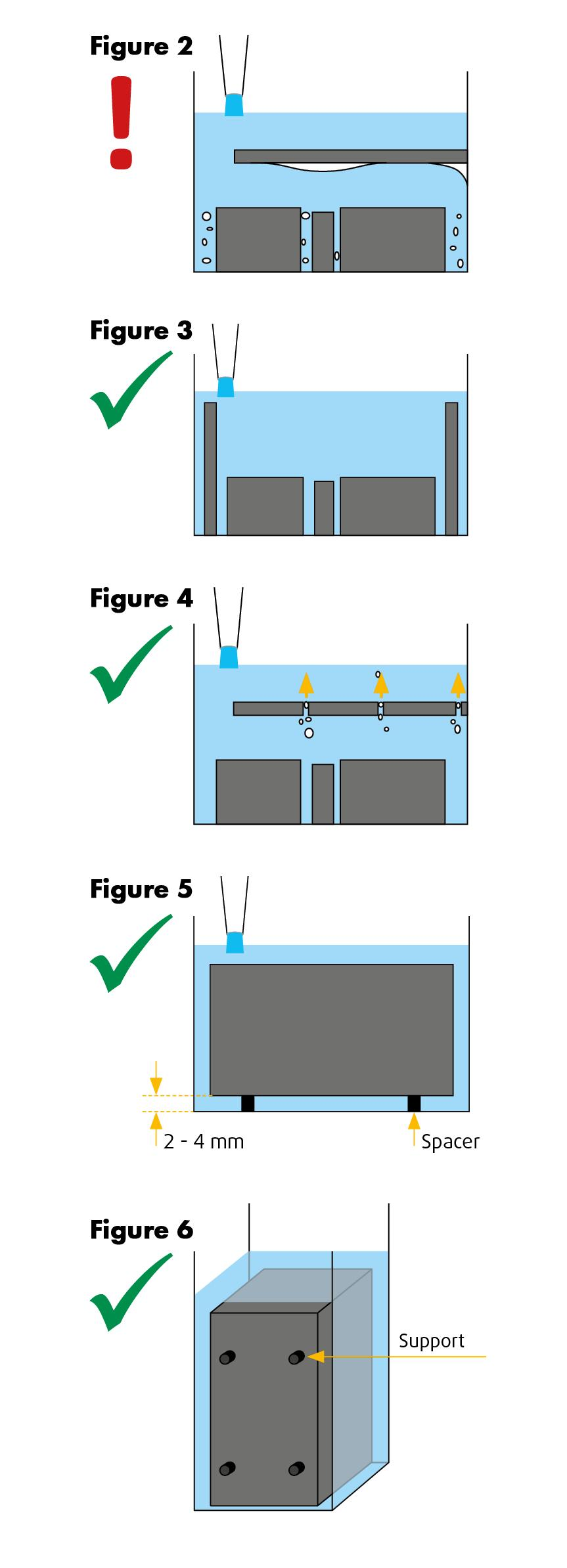
Figure 2. Vacuum potting removes trapped air, allowing material to penetrate cavities and minimize voids.
Beyond insulation, it provides mechanical benefits. Silicone gel acts as a flexible buffer, absorbing thermal expansion stresses on bond wires and reducing fatigue—extending power cycling lifetime.
It also enhances thermal management by eliminating air pockets (poor thermal conductors), preventing hot spots and improving heat distribution.
In harsh environments (e.g., EVs, wind turbines), it forms a robust barrier against moisture, vibration, dust, and contaminants.
Vacuum potting is thus a comprehensive solution for electrical insulation, mechanical stability, environmental protection, and long-term reliability.
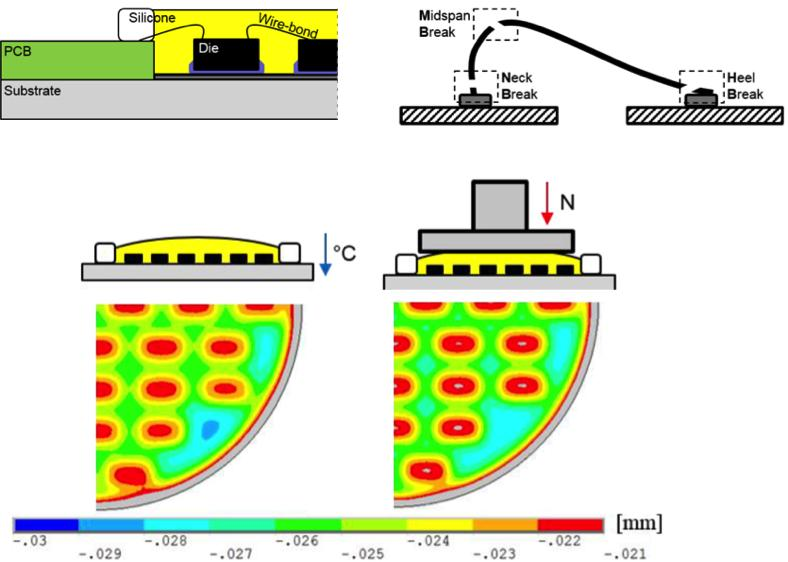
Figure 3. Silicone gel provides mechanical support and stress absorption during thermal cycling, protecting bond wires and components.
Consistent results require more than vacuum alone. Material preparation, mixing, filling strategy, and curing control are essential. Small variations can affect void content and reliability. Manufacturers now prioritize stable process windows over individual equipment specs.
Process Control: Turning Engineering Principles into Consistent Production
Process consistency determines reliability outcomes. Similar materials and equipment can yield different results based on control quality.
Key factors include:
Material preparation: Accurate temperature conditioning and mixing ratios for two-component silicone gels dispensing machine to maintain viscosity and properties.
Material degassing: Removes air bubbles introduced during mixing to prevent post-cure voids.
Filling strategy: Controlled flow rates and paths prevent turbulence and ensure complete penetration of internal geometries.
Curing: Optimized profiles avoid internal stress or incomplete cross-linking, ensuring final mechanical strength.
Reliable vacuum potting results from an integrated system where all steps work together within a repeatable process window.
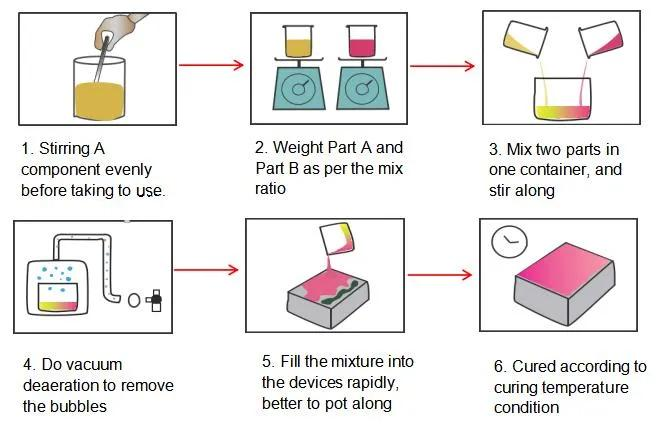
Figure 4. A typical vacuum potting process includes material preparation, vacuum degassing, controlled filling, and curing.
Looking Ahead
As power electronics evolve toward 800V platforms, SiC devices, and higher power densities, packaging demands will intensify. Future modules will face higher temperatures, frequencies, and thermal cycling.
Manufacturers are adopting precision material handling, intelligent dispensing, in-line monitoring, and full traceability. Vacuum potting will remain central, providing the foundation for reliable, high-performance power electronics.
Conclusion
IGBT power module performance depends on more than semiconductor technology. Long-term reliability hinges on robust packaging that withstands electrical, thermal, and mechanical stresses.
Vacuum potting has become essential by reducing voids, enhancing insulation, stabilizing thermal performance, and protecting internal components. For manufacturers seeking superior quality and durability, it is a fundamental part of reliable power module production.
The three-stage vacuum potting equipment provided by Second Intelligent Co., Ltd. can efficiently and stably offer better assurance for IGBT production, thereby solving the key issues in the production process of the old technology.