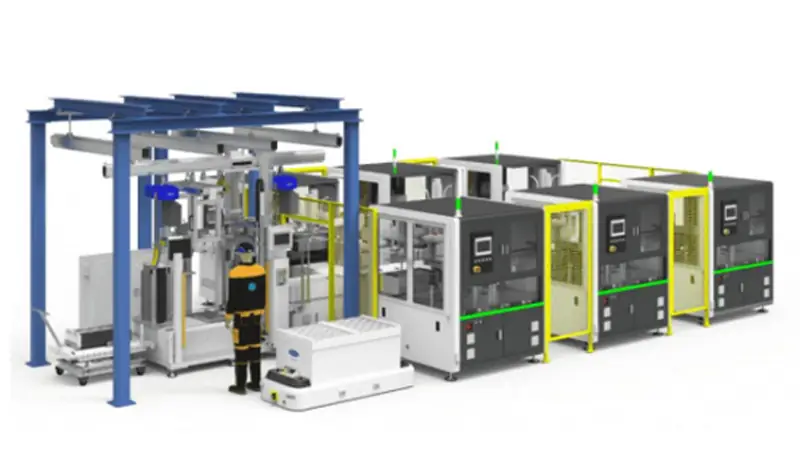
As manufacturing processes become increasingly automated, precision, consistency, and production efficiency are more important than ever.
An automatic dispensing machine plays a critical role in modern manufacturing by accurately applying adhesives, sealants, silicones, and other fluids to components.
From electronics assembly and automotive manufacturing to medical devices and battery production, automated dispensing systems help manufacturers improve process consistency, reduce material waste, and minimize manual operations.
However, choosing the right dispensing equipment requires more than simply comparing machine prices.
In this guide, we will explore the different types of automatic dispensing machines, their industrial applications, and the key factors to consider before investing in a dispensing solution.
1. What Is an Automatic Dispensing Machine?
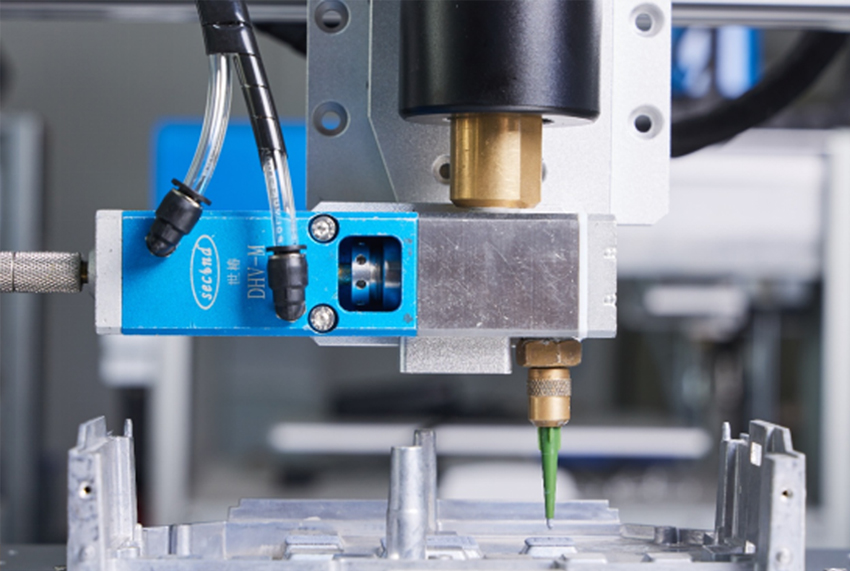
An automatic dispensing machine is an industrial automation system designed to dispense controlled amounts of liquid materials onto specific locations or along programmed paths.
Depending on the application, the system can perform various dispensing processes, including:
● Dot Dispensing: Applying precise droplets of adhesive to designated locations.
● Line Dispensing: Creating continuous adhesive lines for sealing or bonding.
● Potting: Filling electronic housings or components with protective materials.
● Gasketing: Applying formed-in-place gaskets for sealing applications.
● Coating: Applying protective materials to selected surfaces.
Compared with manual dispensing, automated equipment can provide improved repeatability, more consistent material application, and better integration with production processes.
2. Types of Automatic Dispensing Machines
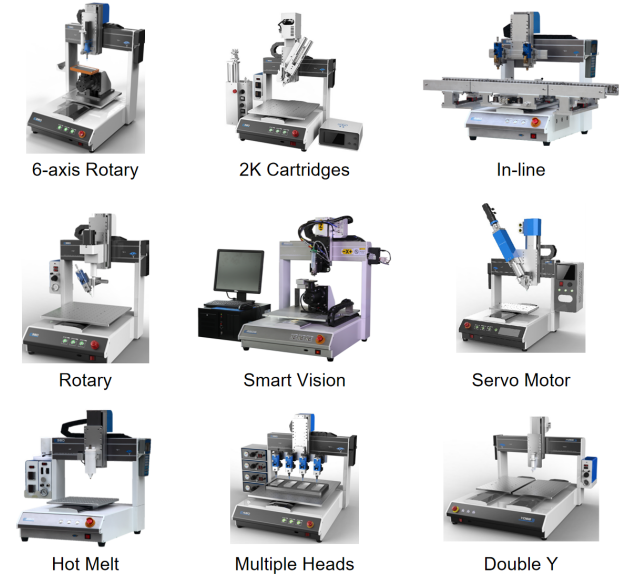
Desktop Dispensing Machines
Desktop dispensing machines are compact systems designed for laboratory applications, product development, and small-batch production.
They are particularly suitable for manufacturers with limited workspace or relatively small components.
Typical applications include PCB assembly dispensing, electronic component bonding, and precision adhesive dispensing.
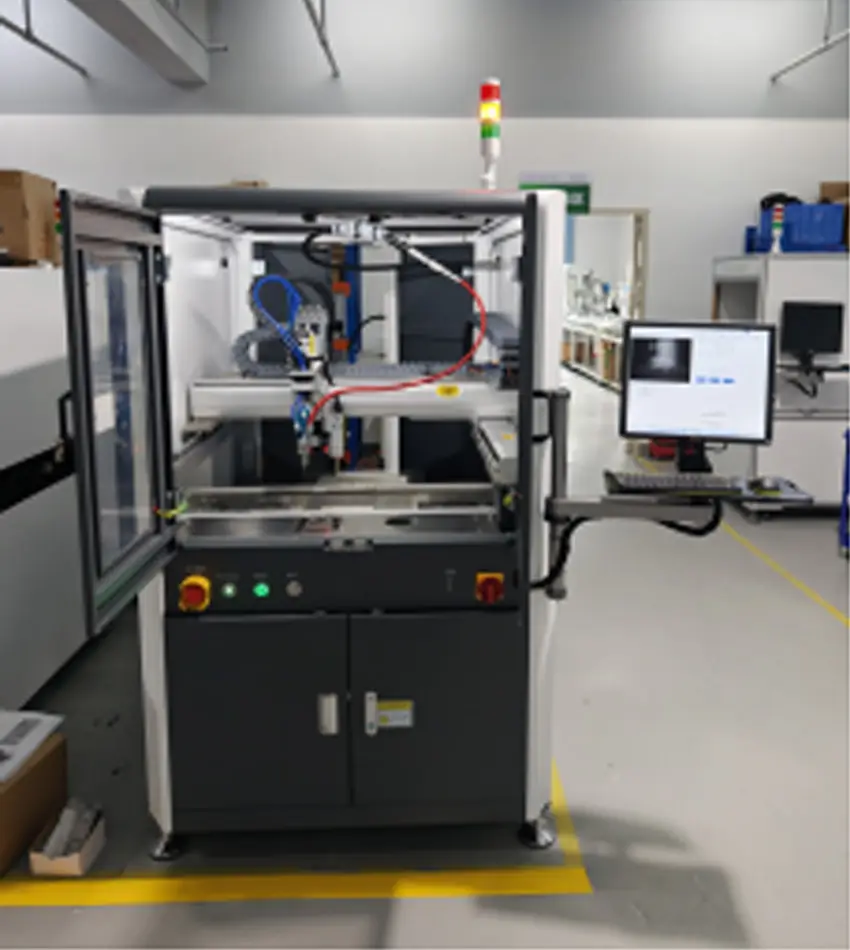
Standalone Dispensing Machines
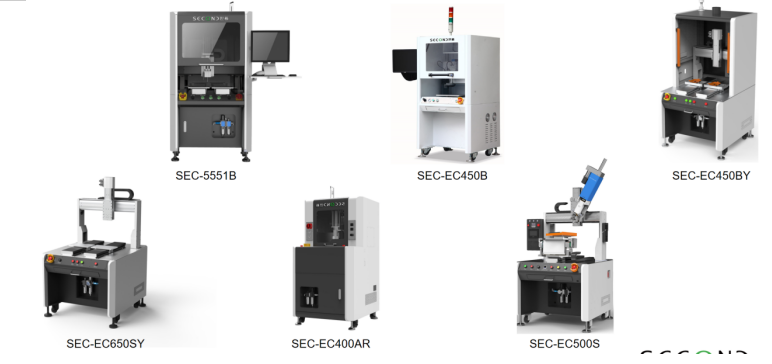
Standalone dispensing machines offer larger working areas and more flexible configurations.
They can be equipped with additional functions such as CCD vision positioning, laser height measurement, automatic needle calibration, and multiple dispensing valves.
These systems are suitable for manufacturers seeking greater flexibility without fully integrating the dispensing process into an existing production line.
Inline Automatic Dispensing Systems
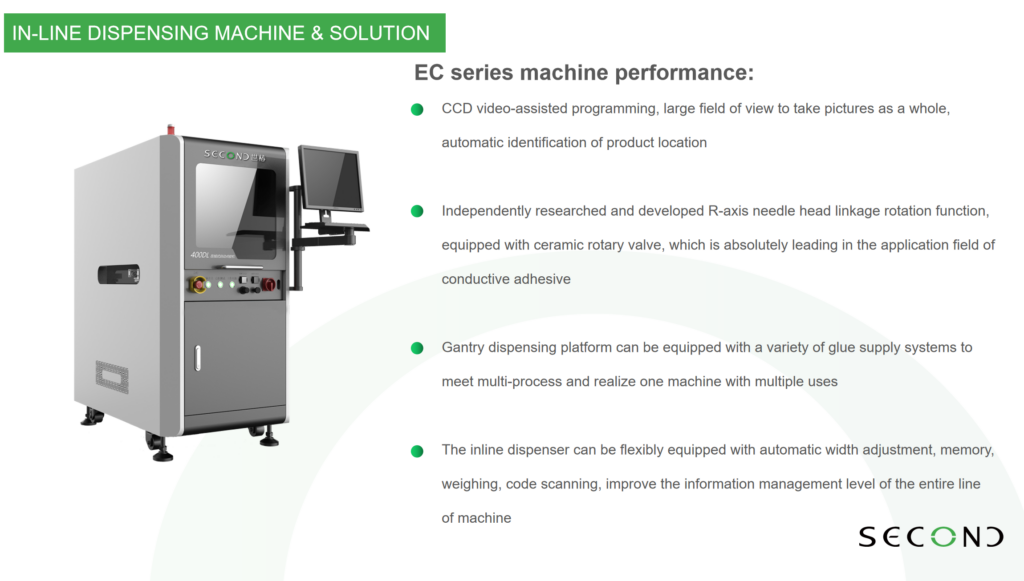
Inline dispensing systems are designed to integrate with automated manufacturing lines.
Depending on the configuration, they may support conveyor transportation, automatic product positioning, and communication with upstream and downstream equipment.
For manufacturers with high production volumes, inline systems can help reduce manual handling and improve production flow.
3. Key Factors to Consider When Choosing a Dispensing Machine
Material Properties and Viscosity
One of the most important factors is the material being dispensed.
Different adhesives have different characteristics, including viscosity, curing behavior, mixing requirements, and sensitivity to temperature or moisture.
Common dispensing materials include:
● Epoxy adhesives
● Silicone sealants
● Polyurethane adhesives
● UV-curable adhesives
● Thermal interface materials
● EMI shielding materials
For example, low-viscosity materials may be suitable for pressure-time dispensing, while high-viscosity materials may require specialized feeding systems or positive-displacement technology.
Understanding the material properties is essential before selecting the dispensing valve and feeding system.
Dispensing Accuracy and Repeatability
Dispensing accuracy directly affects product quality and material consumption.
Manufacturers should evaluate both the machine’s positioning repeatability and its ability to deliver consistent dispensing volumes.
These are two different performance indicators.
A machine with excellent positioning accuracy does not automatically guarantee accurate dispensing volume.
Material viscosity, pressure stability, dispensing valve design, and process parameters can all influence dispensing results.
Production Capacity and Cycle Time
Production capacity is another critical consideration.
Before choosing a machine, manufacturers should determine their required units per hour (UPH) and target cycle time.
For example, a dispensing process may include:
● Product loading and positioning
● Vision recognition
● Height measurement
● Adhesive dispensing
● Product unloading
The total cycle time should include all relevant operations rather than only the dispensing time.
For high-volume manufacturing, evaluating the complete process is essential to selecting the appropriate automation solution.
Vision Positioning and Height Compensation
In real manufacturing environments, components may have slight positional or dimensional variations.
A vision-guided dispensing system can identify product positions and compensate for certain placement deviations.
Laser height measurement can also help adjust the dispensing height when component surfaces vary.
These technologies are especially valuable for applications requiring precise adhesive placement on components with variable positioning or height.
Maintenance and After-Sales Support
Long-term operating costs should also be considered.
When evaluating dispensing equipment suppliers, manufacturers should review:
● Ease of cleaning and maintenance
● Availability of replacement parts
● Operator training requirements
● Technical documentation
● Remote troubleshooting capabilities
● After-sales service and warranty terms
A reliable dispensing solution should support both production requirements and long-term equipment maintenance.
4. Common Industrial Applications
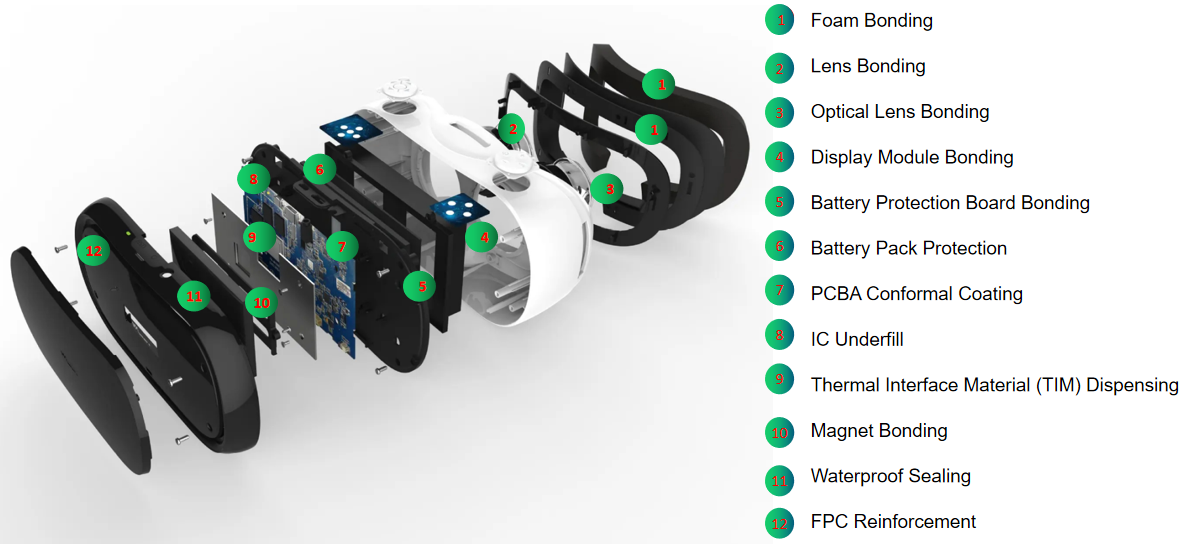
Electronics Manufacturing
Dispensing equipment is used for PCB bonding, component protection, thermal material application, and electronic assembly processes.
Automotive Manufacturing
Automotive applications include sensor sealing, electronic module potting, motor assembly, and adhesive bonding.
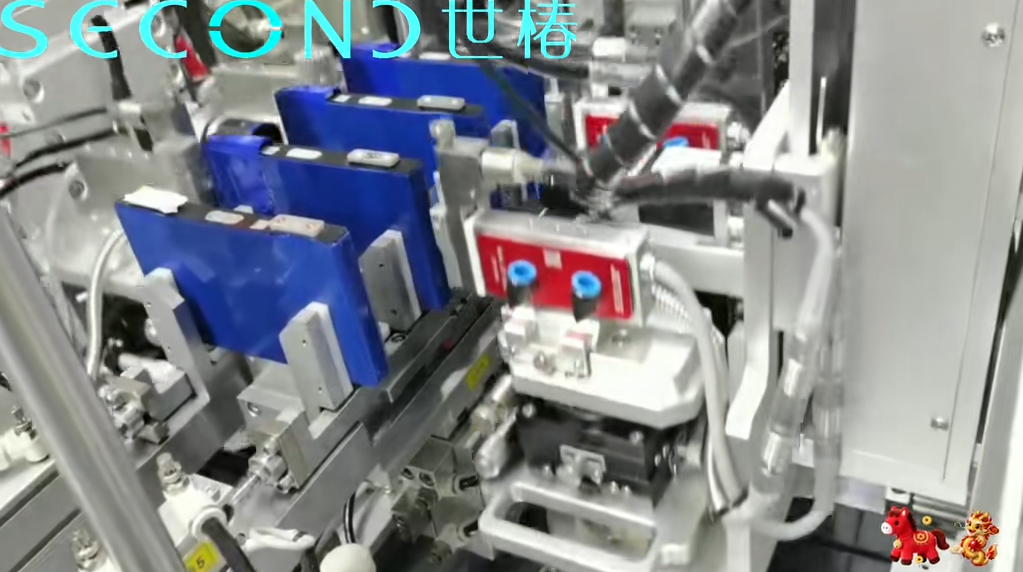
Battery and Energy Storage
Dispensing systems can apply thermal interface materials, structural adhesives, and sealing materials to battery-related components.
Medical Device Manufacturing
Precision dispensing equipment supports controlled adhesive application in medical device assembly, where process consistency and validation requirements are important.
Industrial Motors
Dispensing systems can be used for motor component bonding, sealing, and insulation-related applications, depending on material and process requirements.
5. Why Choose a Customized Dispensing Solution?
Every manufacturing process has unique requirements.
Factors such as product dimensions, adhesive properties, dispensing patterns, production volume, and factory layout can significantly influence equipment selection.
At Second Intelligent, we provide automatic dispensing, potting, and coating solutions for a wide range of industrial applications.
Depending on project requirements, our dispensing systems can be configured with:
● CCD vision positioning
●Laser height measurement
●Automatic needle calibration
●Automatic needle cleaning
●Different dispensing valve technologies
●Customized material feeding systems
●Production line integration
Our engineering team works with customers to evaluate their dispensing requirements and develop suitable equipment configurations.
6. How to Get Started with Your Dispensing Project?
Before requesting a quotation, preparing the following information can help accelerate the technical evaluation:
●Product Information: Dimensions, drawings, and photos of the components.
●Adhesive Information: Material brand, model, viscosity, and mixing ratio, if applicable.
●Dispensing Requirements: Dispensing patterns, target volume, line width, and accuracy requirements.
●Production Capacity: Target cycle time or UPH.
●Automation Requirements: Manual loading, standalone operation, or inline integration.
Where practical, material and product samples can also be used to evaluate the dispensing process before finalizing the equipment configuration.
Conclusion
Choosing the right automatic dispensing machine requires a clear understanding of material properties, dispensing accuracy, production capacity, and automation requirements.
The most suitable solution is not necessarily the most expensive machine, but the one that best matches your manufacturing process and long-term production goals.
Looking for an automatic dispensing solution for your application?
Contact Second Intelligent to discuss your project requirements. Our team can help evaluate your dispensing process and recommend a suitable equipment configuration.